
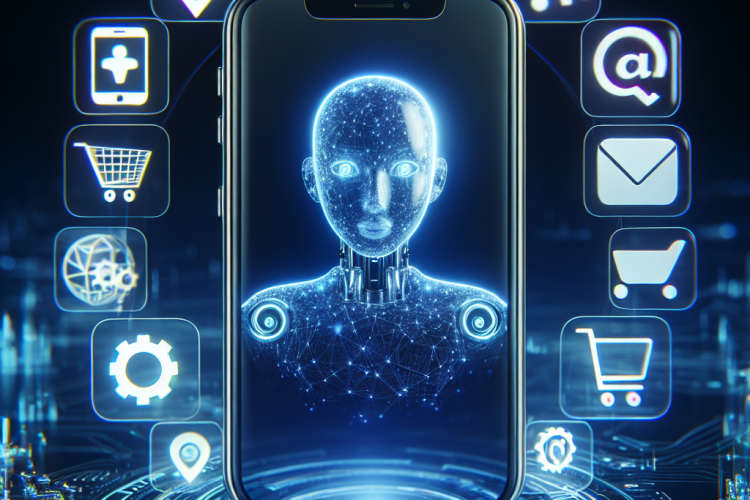
The integration of Artificial Intelligence (AI) in mobile applications is transforming how we interact with our devices and the digital environment. The unprecedented growth of AI technologies has redefined the functional dynamics of mobile applications, offering personalization, advanced analytics, and enhanced user experience.
Understanding the Role of AI in Mobile Apps
AI capabilities in mobile applications facilitate intelligent interactions between users and their devices. With technologies like machine learning (ML), natural language processing (NLP), and computer vision, AI empowers apps to learn from user behavior, predict needs, and offer tailored solutions. This intelligent layer adds value to mobile solutions, promising to revolutionize many sectors.
Personalization and User Experience Enhancement
Firstly, AI delivers a significant impact on personalization in mobile apps. By analyzing user data, AI algorithms customize content, features, and app interfaces to align with individual preferences. This personalization extends beyond content suggestions to include adjusting functionality based on user behavior patterns, providing a seamless and engaging user experience.
Smart Recommendations
One of the most visible impacts of AI on mobile apps is smart recommendations. Platforms like Netflix and Spotify utilize AI to suggest content based on user interactions. These algorithms analyze browsing history, user interactions, and demographic data to offer recommendations, resulting in increased user engagement and satisfaction.
Predictive Text and Voice Recognition
AI applications in predictive text and voice recognition have streamlined communication on mobile devices. Predictive text analyzes typing patterns to suggest words or phrases, improving typing speed and accuracy. Meanwhile, advancements in voice recognition, powered by NLP, enable tasks to be performed via voice commands, hands-free.
Enhancing Productivity with AI
AI tools in mobile applications have drastically improved productivity by automating routine tasks and offering intelligent insights. Features powered by AI such as scheduling tools, data analysis, and automation bots help manage time and resources efficiently.
AI-Powered Virtual Assistants
Virtual assistants like Siri, Google Assistant, and Alexa epitomize AI’s role in boosting productivity. These assistants execute tasks based on verbal commands, answering queries, managing calendars, and controlling smart home devices. Their ability to understand and respond to natural language queries has made them invaluable tools for personal and professional use.
Data Analysis and Insights
Mobile apps leveraging AI for data analysis provide businesses with actionable insights by processing large datasets swiftly. These insights help businesses make informed decisions, identify patterns, and predict trends, which are crucial for sustainability and growth in the competitive market landscape.
The Growth of Mobile Commerce and AI
AI has embraced the eCommerce industry, elevating the shopping experience on mobile platforms. Through AI, mobile commerce is more intelligent, offering improvements in customer service, inventory management, and security. AI technologies streamline the payment processes and enhance fraud detection, providing both convenience and safety to users.
Chatbots and Customer Service
AI-driven chatbots represent a significant leap forward for customer service in mobile apps. They are capable of handling inquiries, assisting with transactions, and providing 24/7 support, reducing operational costs and improving customer interactions.
Inventory Management and Security
AI solutions optimize inventory management by predicting demand fluctuations, thus reducing waste and ensuring stock availability. Additionally, AI enhances security by employing algorithms for identifying fraudulent activities and authenticating user credentials securely.
Healthcare Solutions via Mobile AI Apps
The healthcare industry is experiencing transformative changes with AI-integrated mobile apps that facilitate unparalleled patient care and management. These apps monitor health metrics, provide telehealth services, and ensure timely interventions.
Health Monitoring and Diagnostics
AI-driven health apps allow continuous monitoring of vital signs, offering real-time data that can be crucial for early diagnosis and intervention. These apps use sensors and algorithms to analyze data, alerting healthcare providers and patients of abnormal health patterns.
Telemedicine
Telemedicine has gained immense traction, and AI plays a pivotal role in its mobile integration. AI tools help diagnose conditions via audio or video consultations, enabling remote patient management and reducing hospital workloads.
AI and Mobile Gaming Revolution
The mobile gaming industry takes full advantage of AI capabilities, enhancing gameplay and player interaction. From creating realistic game environments to personalizing gaming experiences, AI contributes significantly to the sector’s innovation.
Adaptive Game Environments
AI fosters dynamic in-game environments that adjust to the player’s skill levels and strategies, making gaming experiences more engaging. It creates adaptive gameplay, challenging players appropriately, and retaining interest.
Player Insights and Engagement
By analyzing player behavior, AI helps developers understand preferences and engagement patterns. These insights contribute to optimizing game designs and launching targeted campaigns for different player segments, enhancing player loyalty.
AI in the Future of Mobile Development
Forecasting the integration of AI in mobile development projects highlights future innovations. AI is expected to venture deeper into augmented reality (AR), providing immersive user experiences in sectors such as education, shopping, and entertainment.
AI and Augmented Reality
The blend of AI and AR will redefine mobile experiences, as AI enhances AR applications by providing smart object recognition and scene understanding, creating richer and more accurate augmented environments.
Autonomous App Management
Future mobile applications will likely feature autonomous capabilities where AI-driven systems self-optimize, manage resources, and even repair applications without human intervention, enhancing functionality and user experience.
Conclusion
The future of mobile app solutions is intricately linked with advancements in AI, promising enhanced functionalities, personalized user experiences, and intelligent interfaces. As AI continues to evolve, it will unlock new possibilities and redefine how mobile applications are developed and utilized across various sectors. Embracing AI’s potential will be crucial for developers, businesses, and users aiming to stay ahead in an increasingly digital world.



0 Comments