
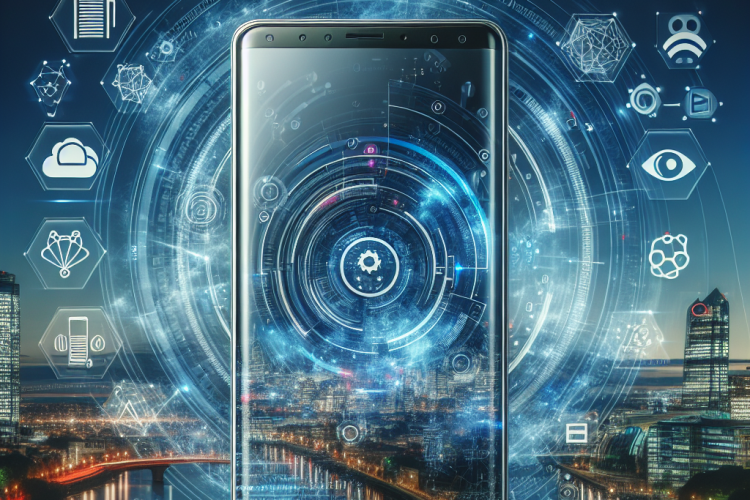
The rapid evolution of mobile technology has transformed the way we live, work, and interact. Smartphones have become indispensable, with mobile applications serving nearly every aspect of our daily lives. As we look to the future, the landscape of mobile innovation continues to expand, driven by emerging technologies and changing user expectations. This article explores key trends in app development services that are shaping the future of mobile innovation.
1. Artificial Intelligence and Machine Learning
Artificial Intelligence (AI) and Machine Learning (ML) are at the forefront of mobile app development. These technologies enable apps to learn from user interactions and improve over time. AI-powered apps can offer personalized recommendations, automate routine tasks, and provide intelligent insights. For instance, mobile assistants like Siri and Google Assistant use AI to understand user queries and offer relevant responses, enhancing user experience.
In the future, AI and ML technologies are expected to become more sophisticated, leading to even more advanced app functionalities. Developers are exploring ways to integrate AI more seamlessly into apps, providing users with smarter, more intuitive interfaces.
2. Augmented Reality and Virtual Reality
Augmented Reality (AR) and Virtual Reality (VR) have paved the way for immersive mobile experiences. These technologies have found applications in gaming, retail, real estate, education, and more. AR enhances the real world with digital overlays, while VR creates entirely immersive environments.
As hardware capabilities improve, AR and VR are set to revolutionize mobile apps further. Developers are experimenting with new ways to bring AR and VR to a wider audience, such as through lightweight headsets or glasses, making these experiences more accessible.
3. 5G Connectivity
The advent of 5G technology is a game changer for mobile app development. Offering higher speeds, lower latency, and more reliable connections, 5G allows for the development of more complex and data-rich applications. This technology supports seamless streaming, enhanced AR/VR applications, and improved real-time interactions.
Developers are just beginning to explore the possibilities presented by 5G. In the near future, we can expect a wave of innovative applications that leverage the full potential of 5G, offering new experiences in gaming, entertainment, healthcare, and beyond.
4. Internet of Things (IoT)
The Internet of Things (IoT) has led to the interconnection of devices, facilitating data exchange and automation. Mobile apps are at the center of this revolution, serving as control centers for IoT devices such as smart home appliances, wearable health monitors, and connected vehicles.
With IoT technology constantly evolving, developers are finding new ways to integrate mobile apps with IoT devices, creating seamless ecosystems that enhance convenience and efficiency for users. The future of IoT in mobile app development promises more interconnected, intelligent solutions.
5. Blockchain Technology
Blockchain is known for its potential in enhancing security and transparency. Initially popularized by cryptocurrencies, blockchain technology is now being explored in mobile app development. It offers secure, tamper-proof solutions for various applications, including digital payments, identity verification, and data sharing.
The integration of blockchain in mobile apps offers opportunities for developers to enhance security and trust, especially in areas requiring high levels of data integrity. As the technology matures, its applications in mobile app development are expected to grow, with blockchain becoming a standard feature in many app services.
6. Cross-Platform Development
To reach a broader audience and streamline development processes, cross-platform development is gaining momentum. Tools and frameworks like React Native, Flutter, and Xamarin allow developers to write code once and deploy it across multiple platforms, including iOS and Android.
Cross-platform development not only reduces time and costs but also ensures consistent user experiences across different devices. As these frameworks continue to advance, they are becoming more popular, enabling developers to create versatile, high-performing mobile apps more efficiently.
7. Enhanced App Security
With increasing data breaches and privacy concerns, app security has become a top priority for developers. Users demand robust protection of their personal information, and developers are investing in advanced security measures, including end-to-end encryption, multi-factor authentication, and biometric verification.
The future of mobile app development will likely see even stricter security protocols and standards, ensuring that user data is protected from cyber threats. Enhanced app security is essential for building user trust and maintaining app reputations.
8. Wearable Technology Integration
Wearables, such as smartwatches and fitness trackers, are increasingly popular, and their integration with mobile applications is expanding. These devices collect valuable health and activity data, offering opportunities for mobile apps to provide personalized insights and recommendations.
As wearable technology advances, mobile app developers are exploring new ways to leverage this data, creating more engaging and responsive experiences for users. The integration of wearables with mobile apps is set to offer more sophisticated health and lifestyle solutions in the future.
9. Voice and Gesture Controls
Voice recognition technology has become a staple in mobile apps, allowing users to control applications through voice commands. Similarly, gesture controls provide an intuitive way to interact with apps, especially on devices without physical buttons.
As voice and gesture recognition technologies improve, they offer new ways for users to interact with applications. Developers are focusing on creating more natural, seamless interactions that elevate the user experience, making these controls more prevalent in future applications.
10. Cloud Integration
Cloud computing is a vital aspect of modern app development, enabling storage, processing, and access to vast amounts of data without relying on local resources. Cloud integration facilitates scalability, collaboration, and real-time data updates, improving app performance and user experience.
With the continued growth of cloud services, developers are increasingly relying on cloud integration for mobile applications. The future will likely see more robust cloud-based solutions, allowing for complex functionalities and enhanced user experiences while optimizing performance and costs.
11. Personalization and User Experience
Personalization is key to creating engaging mobile applications. By tailoring content and experiences to individual users, apps can provide more value and foster loyalty. Machine learning algorithms analyze user behavior, preferences, and feedback to offer personalized experiences.
As user expectations evolve, developers focus on creating even more personalized and intuitive user experiences. The future of app development will emphasize designing interfaces and interactions that anticipate user needs, ensuring that apps remain relevant and engaging.
12. Sustainability and Ethical Design
As awareness of environmental and social issues grows, developers are focusing on sustainable and ethical design practices. This includes reducing energy consumption, considering the environmental impact of app functionalities, and promoting digital well-being.
In the future, mobile app development will likely include more sustainable practices and solutions that align with environmental and ethical standards. Developers are beginning to explore ways to create apps that support positive societal impacts and long-term sustainability.
Conclusion
The future of mobile app development is a landscape of exciting opportunities and challenges. As emerging technologies evolve and user expectations continue to change, developers are called to innovate and redefine mobile experiences continually. Trends such as AI, 5G, IoT, blockchain, and ethical development practices are shaping the path forward, paving the way for advanced applications that enhance lives and businesses alike.
The key to success in this rapidly advancing field lies in embracing change and leveraging new technologies to provide valuable, secure, and engaging experiences. The future promises an era of mobile innovation that redefines our interaction with technology, fostering a digital environment rich with possibility.


0 Comments