
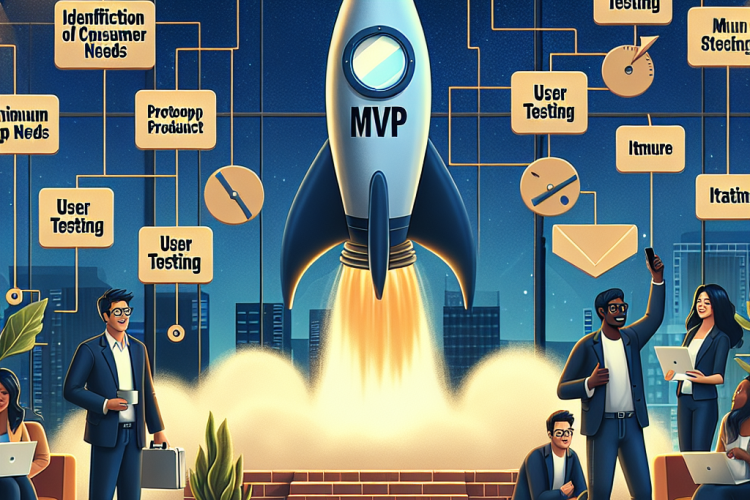
Launching a startup can be a thrilling yet daunting task, especially in today’s fast-paced digital environment. Founders often face numerous challenges, starting from product conception to market entry. Enter the concept of a Minimum Viable Product (MVP)—a strategy designed to streamline this process while maximizing efficiency and minimizing risk. In this article, we will outline essential steps for launching your startup successfully using the MVP approach.
Understanding the MVP Concept
A Minimum Viable Product is a version of a new product that includes only the essential features necessary to satisfy early adopters. An MVP aims to collect feedback as quickly as possible to refine the product and ensure that it meets market needs. This method helps startups avoid the pitfalls of building a full-fledged product that may not resonate with users.
The Importance of MVP
- Risk Mitigation: An MVP allows startups to test their ideas before investing heavily in product development.
- Customer Insights: Early user feedback can guide future feature development and product improvements.
- Faster Time to Market: By focusing only on core functionalities, businesses can launch quicker.
- Cost Efficiency: Reducing development costs by prioritizing essential features can save significant resources.
Step 1: Define Your Value Proposition
The first step in developing an MVP is clearly defining your value proposition. What problem does your product solve? Who is your target audience? These questions are crucial in guiding your product’s development direction.
Identifying User Pain Points
Conduct market research to understand the pain points of your potential customers. This can include surveys, focus groups, or interviews. The goal is to pinpoint a specific challenge that your product can address.
Creating User Personas
Once you’ve identified user pain points, develop user personas that represent your ideal customers. These personas should encapsulate demographics, behaviors, preferences, and motivations, ensuring your product development aligns with your target audience’s needs.
Step 2: Outline Features and Functions
With a clear understanding of your value proposition and target audience, the next step is outlining the features of your MVP. Focus on core functionalities that directly address customer pain points.
Prioritizing Features Using the MoSCoW Method
One effective way to prioritize features is through the MoSCoW method, categorizing features into:
- M: Must-have
- S: Should-have
- C: Could-have
- W: Won’t-have (this time)
Keeping it Lean
Remember that your MVP should only include the most essential features that validate your idea. Avoid feature bloat, which can overwhelm your target audience and derail your initial launch.
Step 3: Design the User Experience (UX)
The user experience is a critical component of any successful product. An intuitive design can enhance user engagement and increase satisfaction, which is vital for obtaining feedback.
Wireframing
Create wireframes to visualize the layout and functionality of your product. Tools like Balsamiq and Figma can help in designing a basic interface that outlines how users will interact with your product.
User Testing
Before finalizing the design, conduct user testing on the wireframes. Gather feedback to refine the layout and ensure the user journey is smooth and intuitive. Iterating based on user input at this stage can save significant time later.
Step 4: Development Process
Once the design is finalized, the next step is developing the MVP. The development phase should be agile, allowing for quick iterations based on testing and feedback.
Choosing the Right Technology Stack
Selecting the appropriate technology stack is crucial. Consider factors like your team’s expertise, project requirements, and scalability. Popular tech stacks for building MVPs include:
- MERN (MongoDB, Express.js, React, Node.js)
- LAMP (Linux, Apache, MySQL, PHP)
- Django (Python-based)
Agile Development Methodology
Utilizing agile methodologies allows for continuous improvement and adaptability throughout the development process. Develop your MVP in iterative cycles, with regular reviews and updates based on user feedback.
Step 5: Launching Your MVP
With your MVP developed, it’s time to launch. However, launching isn’t just about pushing a button; it involves strategic planning and execution.
Building a Landing Page
Before the launch, create a landing page that outlines your product’s benefits, features, and value proposition. Include a clear call to action, such as signing up for a newsletter or requesting a demo, to gauge interest.
Marketing Strategies
Consider your marketing strategies to attract users. Potential methods include:
- Search Engine Optimization (SEO)
- Social Media Marketing
- Content Marketing (blogs, videos, etc.)
Engaging with industry influencers and potential customers can also build anticipation prior to launch.
Step 6: Collecting Feedback and Iterating
Once your MVP is live, focus on collecting user feedback and analyzing data to understand how users interact with your product.
Using Analytics Tools
Utilize analytics tools like Google Analytics or Mixpanel to track user interactions, behaviors, and conversion rates. Understanding how users engage with your product will help you identify areas for improvement.
Conducting User Interviews
In addition to data analytics, conduct user interviews to gain qualitative insights. Ask open-ended questions about their experiences, frustrations, and suggestions for improvement. This feedback is vital in shaping the future direction of your product.
Step 7: Iteration and Scaling
Based on the feedback and data collected, iterate on your MVP. Address issues, add features, and refine the user experience until the product meets the needs of a broader audience.
Preparing for Scale
Once your MVP has undergone sufficient refinement and you’re gaining traction, it’s time to prepare for scaling. This includes:
- Enhancing infrastructure to accommodate increased users
- Expanding marketing efforts
- Planning for customer support as user numbers grow
Conclusion
Launching a startup successfully requires careful planning, execution, and flexibility. A Minimum Viable Product offers a strategic approach that mitigates risks and accelerates learning. By clearly defining your value proposition, prioritizing essential features, focusing on user experience, and iterating based on feedback, you can navigate the complexities of startup life more effectively. Remember, the path to success is not a straight line; it’s filled with pivots and adaptations. Embrace the MVP approach to refine your product and eventually scale it to meet larger market demands. With perseverance and a commitment to continuous improvement, you pave the way for lasting success in the competitive startup landscape.



0 Comments