
Introduction
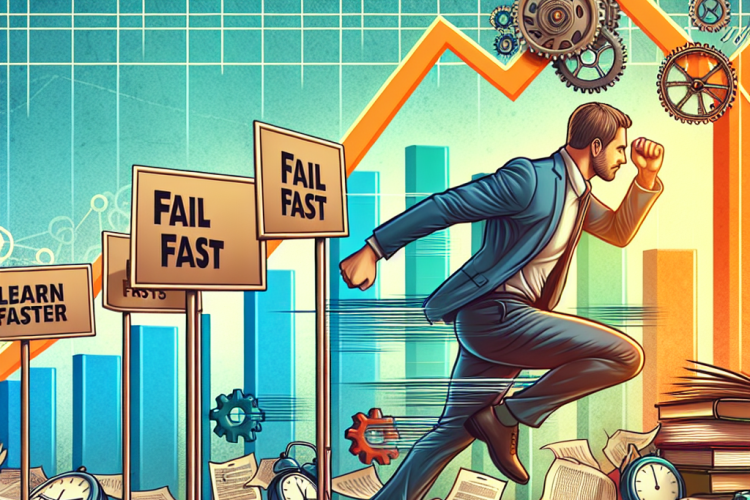
The startup landscape is notorious for its volatility and high failure rates. To succeed in this environment, entrepreneurs must adapt to changes and learn from their missteps quickly. The philosophy of “Fail Fast, Learn Faster” has emerged as a guiding principle for many budding startups. At its core, this principle is complemented by the concept of the Minimum Viable Product (MVP), which serves as a launching pad for new ventures and an effective way to validate ideas while minimizing risk.
Understanding the Fail Fast, Learn Faster Philosophy
The “Fail Fast” concept emphasizes the importance of rapid iteration and learning from mistakes. The startup ecosystem is inherently uncertain; thus, making assumptions without validating them can lead to significant losses. By failing quickly, startups can pivot or iterate their ideas, products, or services before investing too much time and resources.
Key tenets of this philosophy include:
- Quick Iteration: Release products or features quickly to gather user feedback.
- Embrace Mistakes: See failures as opportunities for growth and learning.
- Data-Driven Decisions: Use metrics and feedback to influence future iterations.
The Role of the Minimum Viable Product (MVP)
The Minimum Viable Product (MVP) is an integral aspect of the “Fail Fast, Learn Faster” philosophy. An MVP is the simplest version of a product that addresses the core needs of its target users. By developing an MVP, startups can test their hypotheses in the real market without committing extensive resources upfront.
Benefits of an MVP
- Cost-Effective: Minimizes the risks associated with new product development.
- User-Centric: Focuses on building features that matter to users, based on their feedback.
- Faster Time to Market: Enables quicker launch and the ability to start learning from actual users.
Steps to Implementing an MVP
1. Identify the Problem
Understanding the specific problem your product aims to solve is the foundation for developing an effective MVP. Entrepreneurs should conduct thorough market research and engage potential customers to identify their pain points.
2. Define the Core Features
Once the problem is identified, the next step is to define the core features of the MVP. Focus on what’s essential for solving the problem without being distracted by additional bells and whistles.
3. Build and Launch
With the core features outlined, the MVP can be built using the most efficient resources available. Launch the MVP quickly to get it into users’ hands and start collecting feedback.
4. Measure and Analyze
After launching the MVP, gather data on user interactions and feedback. This can include direct feedback through surveys or analyzing user behavior through analytics tools.
5. Iterate Based on Feedback
Using the insights gained from user interactions, iterate on the product. This may mean making quick enhancements, adding features, or even pivoting to a new direction if necessary.
Real-World Examples of MVP Success
Several well-known companies successfully utilized the MVP approach to achieve rapid growth and market acceptance:
1. Dropbox
Dropbox started as a simple MVP that featured a basic file-sharing service. By focusing on the user experience and iterating based on user feedback, it grew to become a leading cloud storage provider.
2. Airbnb
Initially, Airbnb began as a simple website offering short-term rental spaces in the founders’ apartment. By closely observing user interactions and gathering feedback, it expanded into one of the most popular travel services in the world.
3. Zappos
Before investing heavily in inventory, Zappos launched its MVP by purchasing a small number of shoes from local stores and posting them online. When customers made purchases, they would buy the shoes from local stores, thus validating the concept before scaling.
Challenges and Considerations in the MVP Approach
While the MVP strategy is powerful, it is not without its challenges. Founders may face emotional hurdles as they detach from their original ideas and get comfortable with the process of failing. Some common issues include:
- Over-polishing: Entrepreneurs can become too attached to their ideas and spend too much time refining their MVP instead of launching it.
- Ignoring Feedback: Teams may fail to effectively analyze user feedback, leading to missed opportunities for improvement.
- Balancing Features: It’s crucial to find the right balance between a minimal product and a functional one that satisfactorily addresses user needs.
Strategies for Overcoming Challenges
Here are some effective strategies for overcoming the challenges associated with the MVP approach:
- Set Clear Goals: Define what success looks like for your MVP launch and keep those goals in focus.
- Regular Reflection: Periodically assess your progress and your approach to ensure adherence to the MVP philosophy.
- Maintain Flexibility: Be ready to pivot your strategy based on user feedback and market trends.
The Importance of a Growth Mindset
Embracing a growth mindset is crucial for entrepreneurs employing the MVP approach. This mindset allows for resilience in the face of setbacks and fosters an environment where continuous learning is prioritized.
Key aspects of a growth mindset include:
- Embracing Challenges: Viewing failures and challenges as opportunities for growth rather than setbacks.
- Learning from Criticism: Actively seeking out and embracing constructive feedback.
- Perseverance: Committing to improve and iterate rather than giving up when faced with difficulties.
Conclusion
In today’s fast-paced world, the ability to “Fail Fast, Learn Faster” through the MVP approach can be the difference between startup success and failure. By embracing the iterative process of developing a Minimum Viable Product, entrepreneurs can significantly reduce risk, validate their ideas, and adapt based on real user feedback. While challenges and emotional hurdles may arise during this journey, maintaining a growth mindset and remaining flexible are vital to overcoming obstacles. Ultimately, the MVP approach not only enhances the chances of success for startups but also fosters a culture of innovation and learning that can lead to sustainable growth in the long run.



0 Comments