
Introduction
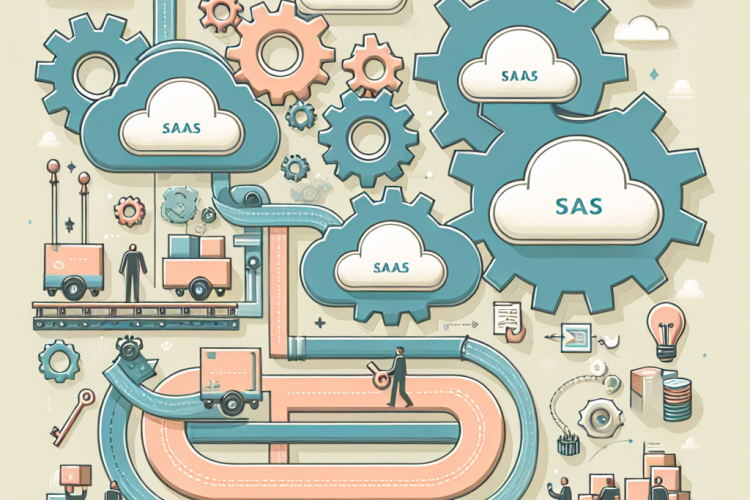
In today’s fast-paced world, businesses need to adapt quickly and efficiently. Agile development methodologies have emerged as a preferred approach for many tech companies, enabling them to respond swiftly to market changes and customer demands. Yet, the complexities and resource demands of implementing agile development can present challenges. Software as a Service (SaaS) offers a compelling solution to these challenges, providing powerful tools that can help streamline processes and bolster the success of agile practices.
The Emergence of SaaS
SaaS has dramatically transformed the software industry over the last decade. Characterized by its cloud-based delivery model, SaaS offers users access to software over the internet instead of traditional, on-premise installations. This approach means reduced infrastructure costs and simpler scalability for businesses of all sizes.
Companies like Salesforce, Microsoft Azure, and Google Workspace exemplify the SaaS model, providing a range of applications and services that can be accessed anywhere with an internet connection. This accessibility is crucial for distributed teams and supports the agile ethos of flexibility and responsiveness.
Understanding Agile Development
Agile development is an iterative approach to software development that values collaboration, customer feedback, and small, rapid releases. Agile methodologies, such as Scrum, Kanban, and XP (Extreme Programming), emphasize adaptive planning, evolutionary development, and delivery.
The Agile Manifesto, introduced in 2001, lays the foundation for these methodologies with principles that prioritize individuals and interactions, working software, customer collaboration, and responding to change over rigid adherence to plans.
How SaaS Enhances Agile Development
1. Improved Collaboration
SaaS platforms facilitate seamless communication and collaboration across distributed teams. Tools such as Slack, Trello, Jira, and Confluence allow team members to work together in real-time, share updates, and collaborate on projects regardless of their physical location. This is particularly beneficial in agile settings where frequent communication is essential.
2. Flexibility and Scalability
SaaS solutions offer the scalability that aligns perfectly with the agile methodology. As projects evolve, the need for different resources can change. SaaS platforms allow teams to quickly adapt to new requirements without the need for significant time or capital investment. This flexibility ensures that businesses can scale applications up or down depending on current needs, maintaining cost efficiency.
3. Automated Updates and Deployment
One of the critical advantages of SaaS is the continuous delivery model. Updates happen automatically, without users needing to manually download and install new software versions. This ensures that teams always have access to the latest features and security enhancements, aligning with the agile principle of delivering continuous value to the end-user.
4. Enhanced Security
Security remains a top concern for businesses utilizing cloud-based solutions. SaaS providers invest heavily in ensuring their platforms are secure, implementing robust measures like encryption, multi-factor authentication, and regular security audits. This focus allows agile teams to concentrate on development without worrying about underlying security issues.
Common SaaS Tools in Agile Development
1. Project Management and Tracking
Tools like Jira and Asana help agile teams track project progress, manage tasks, and assign responsibilities. These tools are designed to support agile frameworks and provide easy oversight of sprints, backlogs, and releases.
2. Collaboration and Communication
Slack and Microsoft Teams allow instant communication and collaboration, with features that support video conferencing, direct messaging, and file sharing. They become the central hub for team interactions, fitting organically into daily agile routines.
3. Continuous Integration/Continuous Deployment (CI/CD)
Services such as GitHub Actions, Jenkins, and CircleCI provide the framework necessary for deploying frequent, reliable code updates. They automate testing and integration processes, a critical function in maintaining agile’s iterative approach.
4. Design and Prototyping
Figma and Adobe XD offer platforms for design and prototyping that enhance collaboration between developers and designers. These tools help visualize projects and facilitate user feedback, both key elements in agile iterations.
Challenges of Integrating SaaS into Agile Development
1. Data Privacy Concerns
While SaaS solutions offer excellent security, concerns about data privacy and compliance remain. Companies must ensure that their chosen SaaS providers comply with relevant regulations such as GDPR and HIPAA.
2. Dependency on Internet Connectivity
Since SaaS applications rely on internet connectivity, any disruption in service can hinder access to essential tools. Businesses need to have contingency plans in place to address potential connectivity issues.
3. Vendor Lock-In
The risk of vendor lock-in is real, as migrating from one SaaS provider to another can be complex due to proprietary data and formats. Careful consideration and strategy are necessary when selecting SaaS providers to ensure future flexibility.
Conclusion
SaaS offers transformative benefits to agile development processes, streamlining collaboration, ensuring scalability, and enhancing efficiency. While challenges such as data privacy and vendor dependency require attention, the advantages of adopting SaaS in an agile context are significant. By leveraging the right SaaS tools, businesses can remain competitive, responsive, and innovative, positioning themselves for long-term success in an increasingly dynamic market.


0 Comments