
Introduction
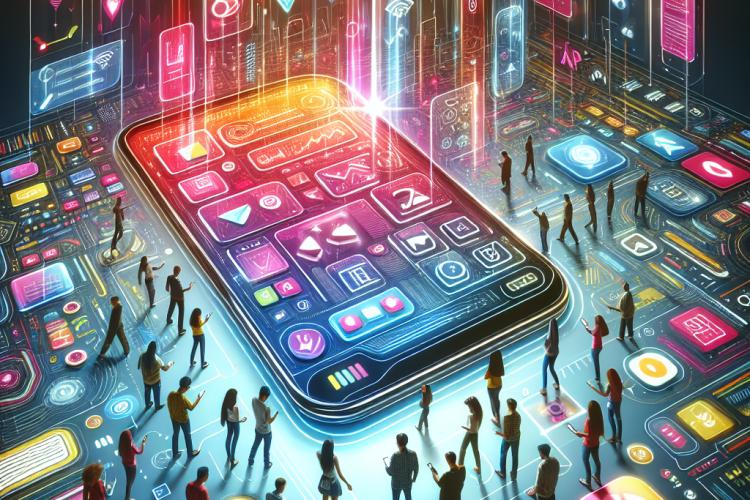
As technology rapidly evolves, the future of app design is increasingly focused on enhancing user experiences through innovative, user-centric approaches. App designers are constantly adopting new strategies that not only address current user needs but also anticipate future demands. This shift towards creating highly personalized and seamless user interactions is a testament to the changing landscape of mobile app development. By embracing technologies such as artificial intelligence, augmented reality, and voice interaction, app developers are paving the way for a future where apps are more intuitive, accessible, and engaging than ever before.
Understanding User-Centric Design
User-centric design is an approach that places the needs, behaviors, and preferences of users at the forefront of the design process. This methodology involves understanding the end-user’s journey through extensive research and interaction, ensuring that every design choice aligns with user expectations and enhances usability. The primary goal is to create apps that are not only functional but also delightful to use.
By focusing on user-centric design, developers aim to improve user satisfaction and engagement. This involves iterative prototyping and testing, incorporating user feedback continuously to refine and enhance the product. This design philosophy emphasizes empathy for the user, understanding their challenges, and developing solutions that make their digital interactions as seamless as possible.
Innovations in User Interface (UI) Design
The future of app design will see significant advancements in UI design, focused on creating more intuitive and visually appealing interfaces. Designers are experimenting with minimalist designs that reduce clutter and emphasize essential features, enhancing the overall user experience. Soft typography, gradients, and micro-interactions are becoming increasingly popular, contributing to a more engaging and accessible UI.
In addition, the use of dark mode, adaptive interfaces, and responsive designs is becoming more prevalent. Adaptive interfaces allow apps to adjust based on user context, behavior, and preferences, providing a personalized experience for each individual. Such innovations ensure that apps are not only aesthetically pleasing but also highly functional, catering to diverse user needs.
Exploring Artificial Intelligence and Machine Learning
Artificial Intelligence (AI) and Machine Learning (ML) are playing a crucial role in shaping the future of app design. These technologies enable apps to learn from user behavior, adapt to preferences, and predict future actions, thus creating a more personalized user experience. Chatbots powered by AI are increasingly used to provide customer support within apps, offering immediate assistance and enhancing user engagement.
Furthermore, ML algorithms can analyze user data to offer personalized content recommendations, improving user satisfaction and retention. As AI continues to evolve, we can expect even more sophisticated features integrated into apps, such as sentiment analysis, voice recognition, and advanced predictive analytics, all aimed at creating smarter, more intuitive applications.
The Impact of Augmented Reality (AR) and Virtual Reality (VR)
Augmented Reality (AR) and Virtual Reality (VR) are set to revolutionize app design by providing immersive experiences that blend the physical and digital worlds. In sectors such as retail, education, and healthcare, AR and VR technologies are being used to create interactive experiences that were previously unimaginable.
Apps incorporating AR can overlay digital information on the real world, enhancing user interaction and engagement. For example, AR apps allow users to visualize how furniture would look in their homes before making a purchase. In contrast, VR creates entirely virtual environments for users to explore, offering new opportunities for gaming, training, and virtual meetings.
Voice Interaction and Natural Language Processing (NLP)
As voice assistants become increasingly popular, app designers are exploring ways to integrate voice interaction and Natural Language Processing (NLP) into their designs. This trend is driven by the desire to create hands-free user experiences that are not only convenient but also inclusive, making apps accessible to a broader audience.
NLP allows apps to understand and process human language, enabling users to interact with applications using natural speech. This technology is particularly useful for improving accessibility, allowing individuals with disabilities to use apps more effectively. As NLP technology advances, we will likely see more sophisticated voice interactions integrated into apps, offering more natural and seamless user experiences.
Security and Privacy Considerations
With the increasing reliance on mobile apps, ensuring security and privacy has become a top priority for developers. As apps collect more personal data to offer personalized experiences, it is crucial to implement robust security measures to protect user information. Developers are adopting practices such as end-to-end encryption, biometric authentication, and stringent data privacy policies to safeguard user data.
Designing apps with security and privacy in mind not only protects users but also builds trust and credibility. As privacy concerns continue to escalate, future app designs will likely focus on providing users with more control over their data, ensuring transparency in data collection and usage.
The Role of Cross-Platform Development
Cross-platform development is gaining traction as developers seek to reach a wider audience by creating apps that work seamlessly across different devices and operating systems. This approach reduces development time and costs while maintaining a consistent user experience across platforms.
Tools such as React Native, Flutter, and Xamarin are facilitating cross-platform development, allowing developers to write code once and deploy it across various platforms. This trend is expected to continue as the demand for consistent and efficient user experiences grows, enabling developers to focus on innovation and user-centric design.
Conclusion
The future of app design is undoubtedly exciting, as user-centric innovations continue to transform the landscape of mobile applications. By prioritizing user needs and leveraging advanced technologies like AI, AR, and voice interaction, developers can create more intuitive, personalized, and secure experiences. As the focus on user-centric design grows, the potential for creating truly transformative digital experiences is limitless. In this ever-evolving field, staying abreast of technological advancements and user trends will be essential for developers aiming to lead the way in app innovation.


0 Comments