
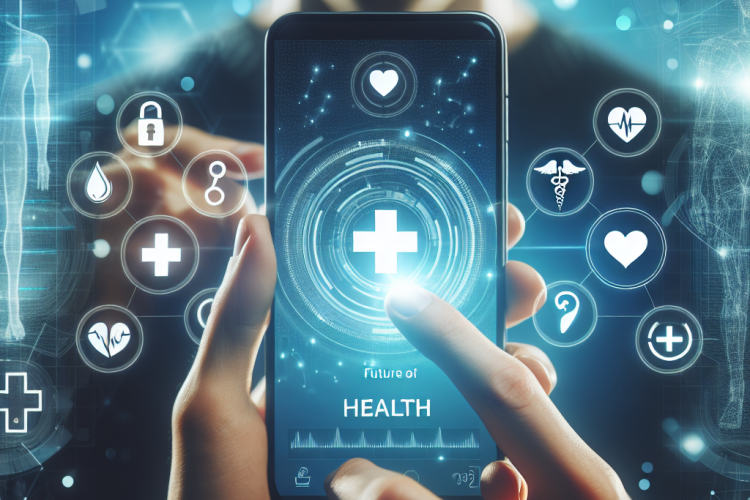
As technology continues to evolve, healthcare mobile apps are becoming indispensable tools for both patients and healthcare providers. The future of health will rely heavily on the functionality and effectiveness of these applications. Here are some essential features that every healthcare app should incorporate to ensure a comprehensive user experience.
    <h2>1. User-Friendly Interface</h2>

    <p>A simple and intuitive interface is crucial to ensure that users, regardless of their tech-savviness, can easily navigate the app. An organized layout with clear icons and labels enhances user experience and encourages regular use.</p>


    <h2>2. Telemedicine Capabilities</h2>

    <p>With the rise of remote consultations, integrating telemedicine features into healthcare apps allows patients to consult healthcare professionals from the comfort of their homes. This reduces waiting times and increases accessibility to medical care.</p>


    <h2>3. Health Monitoring Tools</h2>

    <p>Apps that offer tools for tracking vital signs, medication schedules, and symptoms can empower users to manage their health proactively. Features like reminders for medication can significantly improve adherence to treatment plans.</p>


    <h2>4. Data Security and Privacy</h2>

    <p>Given the sensitivity of health data, ensuring robust security features is non-negotiable. Healthcare apps must comply with regulations like HIPAA to protect users' personal health information and instill trust.</p>


    <h2>5. Integration with Wearable Devices</h2>

    <p>The capability to sync with wearable devices enables users to monitor their health metrics, such as heart rate, sleep patterns, and physical activity. This integration provides a holistic view of a user's health and wellness.</p>


    <h2>6. Personalized Health Plans</h2>

    <p>Personalization enhances user engagement. Apps that provide tailored health recommendations and customizable health plans based on user data can lead to better health outcomes.</p>


    <h2>7. Educational Content and Resources</h2>

    <p>Providing users access to a library of educational resources, articles, and videos can promote health literacy and empower users to make informed decisions about their health.</p>


    <h2>Conclusion</h2>

    <p>The future of healthcare lies in the effective integration of technology into patient care. By incorporating these essential features, healthcare mobile apps can significantly improve patient engagement, enhance care delivery, and ultimately contribute to better health outcomes.</p>

</article>


0 Comments