
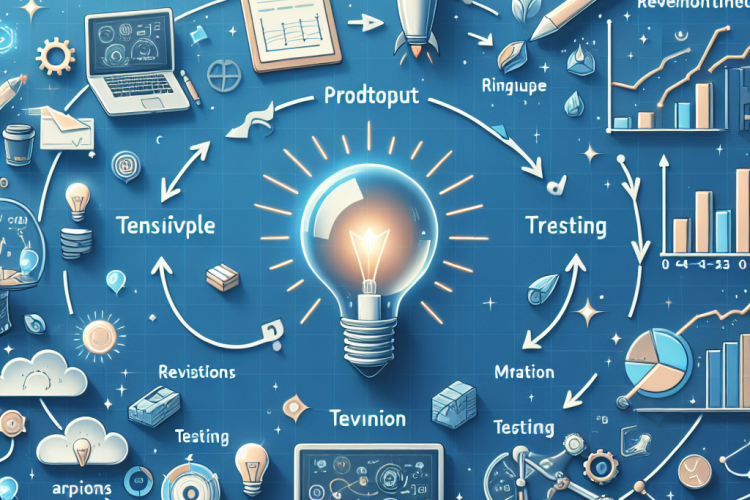
Creating a Minimum Viable Product (MVP) is a crucial step in the product development cycle, especially in the tech industry. The concept of an MVP allows startups and established companies alike to validate their product ideas without allocating vast resources. Developing an MVP involves multiple steps that guide stakeholders from the initial concept to the final product ready for the market. This article explores these essential steps in detail.
What is a Minimum Viable Product (MVP)?
The term “Minimum Viable Product” was popularized by Eric Ries in his book “The Lean Startup.” An MVP is defined as the simplest version of a product that can be released to users. Its primary purpose is to test a business hypothesis, gather user feedback, and iterate on the product based on real-world usage.
By focusing on core functionalities, businesses can reduce the time and cost associated with development. This approach not only mitigates risk but also paves the way for a product that aligns closely with user needs.
Step 1: Defining the Problem
Every successful product starts with a problem that needs solving. The first step in MVP development is to clearly define the problem your product addresses:
- Identify target users.
- Understand their pain points.
- Validate the need for a solution.
Engaging with potential users through interviews or surveys can provide valuable insights. This step ensures that you’re not just creating a product for the sake of it but rather addressing a genuine need in the market.
Step 2: Conducting Market Research
After pinpointing the problem, it’s essential to conduct thorough market research:
- Analyze competitors.
- Spot trends within the industry.
- Assess market demand.
This research will inform your product’s features and help identify your unique selling proposition (USP). Knowing what competitors offer can also guide you in refining your MVP, ensuring it stands out in a crowded market.
Step 3: Defining the Core Features
With a clear problem and a good grasp of the market landscape, the next step is to define the core features that will be included in your MVP:
- Focus on essential functionality.
- Avoid feature creep.
- Prioritize features based on user feedback.
Creating a feature list helps in managing scope and aligning your team’s efforts toward a common goal. Remember, the objective is to deliver the core value proposition, not a fully loaded product.
Step 4: Creating User Personas
User personas are fictional characters that represent your ideal customers. Creating these personas helps in tailoring your MVP to meet the needs and behaviors of your target audience:
- Collect demographic information.
- Identify user goals and frustrations.
- Understand the context in which they will use your product.
By framing your MVP development around user personas, you can ensure the product resonates more deeply with its intended audience.
Step 5: Designing the User Experience (UX)
User experience is critical to MVP success. A well-designed interface can dramatically affect user engagement. Key considerations include:
- Simple and intuitive navigation.
- Clear calls to action (CTAs).
- A responsive design across devices.
Creating wireframes or mockups can be an effective way to visualize the user journey and refine design elements before development begins.
Step 6: Development and Coding
Once the design has been finalized, it’s time to move on to actual development. Choose the appropriate technology stack while considering:
- Development speed.
- Scalability.
- Integration options.
Collaborative tools like GitHub can facilitate better teamwork among developers, allowing for faster iterations. Regular check-ins during development can ensure alignment with the initial vision.
Step 7: Testing the MVP
After development, thorough testing is essential to identify potential issues. Different types of testing can include:
- Functional testing to ensure all features work as intended.
- Usability testing to assess user interaction.
- Performance testing to evaluate responsiveness under load.
Getting feedback from a select group of users (beta testing) can provide further insights and help refine the product before a full launch.
Step 8: Launching the MVP
Once testing is complete and feedback is integrated, it’s time to launch the MVP. Marketing strategies to consider include:
- Building a landing page that highlights unique value propositions.
- Utilizing social media platforms for promotion.
- Engaging industry influencers for added credibility.
A successful launch involves not just making the product live but also creating buzz that attracts early adopters.
Step 9: Gathering Feedback
Post-launch, the job is far from over. Gathering user feedback is crucial to understanding how well the MVP meets its intended goals. This can be done through:
- User surveys to gauge satisfaction.
- Behavior analytics to understand user interactions.
- Support tickets to identify persistent issues.
Listening to your users provides invaluable insight into what works and what doesn’t, allowing for informed decisions moving forward.
Step 10: Iterating Based on Feedback
The iterative process is at the heart of successful MVP development. Use the feedback gathered to make continuous improvements to your product:
- Prioritize changes based on user impact.
- Stay agile and be willing to pivot if required.
- Communicate regularly with your users to keep them engaged.
This ongoing cycle of iteration helps refine your product to better meet user needs, leading to higher satisfaction and retention rates over time.
Conclusion
The journey from concept to creation in MVP development is a multifaceted process that requires careful planning, user engagement, and iterative refinement. By following these essential steps—defining the problem, conducting market research, focusing on core features, creating user personas, designing user experience, coding, testing, launching, gathering feedback, and iterating—businesses can create products that not only meet market demand but also foster user loyalty.
Ultimately, the MVP approach is not just about launching a product; it is about fostering a culture of continuous improvement, ensuring that the final product is one that provides real value to its users. In a fast-paced digital world, being able to adapt and evolve is crucial, making the MVP process not just a strategy but a necessity for long-term success.

0 Comments