
Introduction
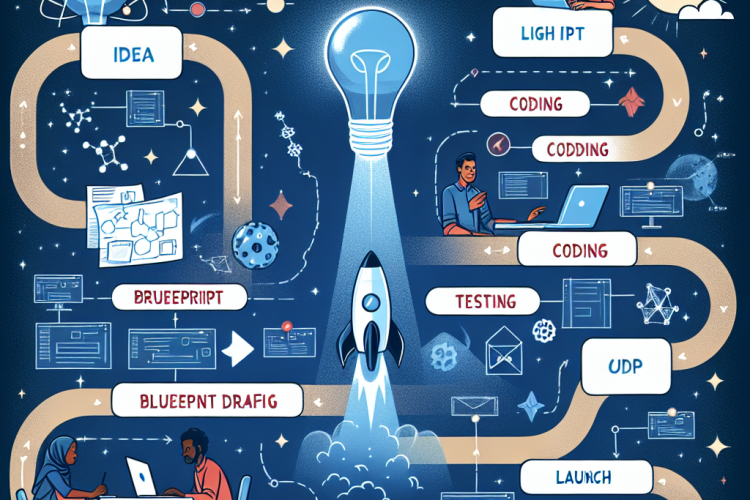
In today’s fast-paced digital world, custom web applications are essential for businesses seeking to maintain a competitive edge. Through personalized solutions that cater to specific needs, web applications provide a more engaging and efficient way to interact with customers and streamline operations. This guide aims to walk you through the essential steps from concept to launch, ensuring that your custom web app development journey is smooth and successful.
Understanding the Basics
What is a Custom Web App?
A custom web application is a tailored software solution designed to perform specific tasks for a particular organization or a set of users. Unlike off-the-shelf software, custom web apps are developed to meet unique business requirements, offering more flexibility, scalability, and efficiency.
Why Choose Custom Development?
Custom web development allows businesses to get precisely what they need without compromising on features or settling for one-size-fits-all solutions. This bespoke approach not only ensures a better fit but also aids in better integration with existing systems, enhances security, and provides opportunities for innovation.
Phase 1: Ideation and Planning
Identify the Core Goals
Start by clearly defining what you want to achieve with your web app. Whether it’s improving customer engagement, streamlining operations or generating revenue, having a clear set of objectives serves as a guide for the entire development process.
Conduct Market Research
Understanding the competitive landscape is crucial. Analyze competitor offerings, identify market gaps, and listen to user feedback to discover opportunities for differentiation and innovation.
Define Your Target Audience
Identify who will use your app and what they need. Create user personas to better understand their preferences, challenges, and behaviors, which can shape the features and design of your app.
Create a Detailed Specification
Draft a comprehensive document that covers functionality, features, user roles, and the technology stack. A detailed specification serves as a roadmap for developers and helps stakeholders stay aligned.
Phase 2: Design
User Experience (UX) Design
Focus on creating a seamless and intuitive experience for your users. Employ user-centered design principles to ensure that the app is easy to use, efficient, and enjoyable.
User Interface (UI) Design
Develop an aesthetically pleasing interface that adheres to your brand’s identity. Pay attention to visual hierarchy, color schemes, typography, and consistency to create a compelling design.
Prototyping
Create wireframes and prototypes to visualize the app’s layout and flow. This stage allows you to test and refine design concepts before moving to full-scale development.
Phase 3: Development
Choosing the Right Technology Stack
Select the right mix of technologies that align with your app’s needs. Consider factors like scalability, performance, and the expertise of your development team when making technology choices.
Front-end Development
The front-end is what users interact with. Focus on building a responsive and accessible interface using technologies like HTML, CSS, and JavaScript frameworks such as React, Angular, or Vue.js.
Back-end Development
The back-end handles data processing and storage. Use server-side technologies such as Node.js, Python, Ruby on Rails, or Java to build robust back-end systems that ensure smooth functionality and security.
Integration and Testing
Integrate third-party services and APIs as required. Conduct thorough testing, including functional, usability, performance, and security testing, to identify and resolve any issues before launch.
Phase 4: Deployment
Choosing the Right Hosting Environment
Select a hosting provider that offers the necessary resources and scalability for your web app, considering factors such as pricing, support, and geographical location of servers.
Continuous Integration and Deployment (CI/CD)
Implement CI/CD pipelines to automate the deployment process, allowing for faster and more reliable updates and maintenance.
Monitoring and Maintenance
Post-launch, continuously monitor app performance to identify and rectify issues quickly. Regular maintenance ensures that your app remains secure, up-to-date, and in alignment with user expectations.
Conclusion
Custom web app development is a rewarding journey that offers significant advantages in terms of flexibility, functionality, and competitive advantage. By following a structured approach from concept to launch, businesses can successfully develop applications that meet unique needs and drive growth. Investing in thorough planning, design, and development processes ensures a product that not only meets current requirements but is also adaptable to future challenges and opportunities.


0 Comments