
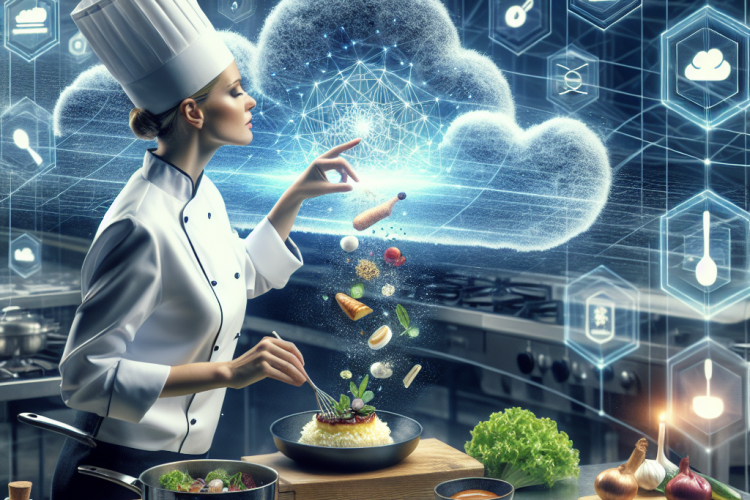
The culinary world has always been one of evolution and innovation. From traditional family recipes passed down generations to fine dining experiences that push the boundaries of taste and presentation, the art of cooking is constantly adapting to new technologies and consumer preferences. One of the most exciting recent developments is the rise of cloud kitchen apps and the impact they are having on the culinary landscape.
What Are Cloud Kitchens?
Cloud kitchens, also known as ghost kitchens or virtual kitchens, are a modern solution to the traditional restaurant model. Instead of a brick-and-mortar establishment with dining areas and front-of-house staff, cloud kitchens are designed for delivery-only service. This concept allows chefs and culinary entrepreneurs to focus solely on food preparation and delivery without the overhead costs associated with physical restaurant spaces.
This innovative approach has been made possible by the proliferation of food delivery apps and changing consumer habits, as more people choose to dine at home rather than in restaurants. The efficiency of cloud kitchens has made it easier for new culinary concepts to emerge, providing an accessible entry point for passionate food creators.
The Role of Technology in Cloud Kitchens
At the heart of cloud kitchens is technology. Cloud kitchen apps provide the infrastructure for efficient management of the ordering, cooking, and delivery process. These platforms enable seamless interactions between customers, kitchen staff, and delivery drivers.
Advanced analytics tools help operators optimize their menus, pricing, and marketing strategies. This data-driven approach allows for real-time adjustments based on consumer preferences and feedback, enhancing the overall customer experience. Furthermore, cloud kitchen apps facilitate multiple brands operating under one roof, maximizing kitchen utilization and increasing profitability.
Consumer Benefits
For consumers, cloud kitchen apps offer unparalleled convenience. With just a few taps on a smartphone, customers can access a wide variety of cuisines delivered directly to their doorsteps. This accessibility means that customers are no longer limited by geography when choosing where to dine.
Additionally, cloud kitchens often provide more affordable options compared to traditional dining experiences. By eliminating the costs associated with maintaining a physical restaurant space, cloud kitchen operators can pass these savings onto their customers, offering delicious meals at competitive prices.
Challenges and Considerations
Despite their many advantages, cloud kitchens face challenges. Meeting quality and food safety standards requires strict adherence to hygiene practices. The absence of a physical dining presence can also make it difficult to build brand recognition and loyalty.
Furthermore, the competition in the cloud kitchen market is intense. As cloud kitchens increase in number, distinguishing one brand from another becomes crucial. Investment in marketing, menu innovation, and customer service is essential to thrive in this competitive environment.
Impact on Traditional Restaurants
The rise of cloud kitchens presents both challenges and opportunities for traditional restaurants. Some establishments have embraced the model, incorporating delivery-only options to reach new customer segments without expanding their physical locations.
However, others remain hesitant, viewing cloud kitchens as competitors that could erode their customer base. The key for traditional restaurants lies in adapting and integrating innovative strategies that combine the best of both worlds.
Future Trends
As cloud kitchen technology continues to evolve, several trends are emerging that could further revolutionize the industry. Automation and AI technologies are being integrated into cloud kitchens, optimizing everything from inventory management to personalized customer recommendations.
Furthermore, sustainability is becoming a major focus, with cloud kitchens exploring eco-friendly packaging and waste reduction practices. The continued growth of cloud kitchens also suggests the potential for partnerships with other industries, such as grocery chains and meal kit services, expanding their reach and influence.
Conclusion
The advent of cloud kitchen apps is not just a trend but a transformative shift in the culinary landscape. By offering innovative solutions that address modern consumer needs, cloud kitchens are redefining how food is prepared, delivered, and enjoyed. As technology continues to advance, the possibilities for cloud kitchens are endless, promising to deliver more culinary innovation and convenience to food lovers around the world.


0 Comments