
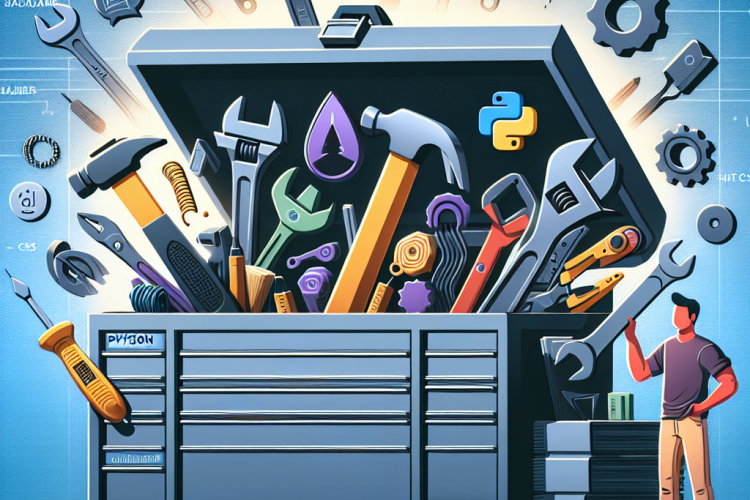
In today’s fast-paced tech world, full-stack development has become a highly sought-after skill. A full-stack developer possesses an all-encompassing knowledge of both the front-end and back-end aspects of web development. Below, we break down the essential tools that every full-stack developer should be acquainted with.
1. Front-End Technologies
The front end is what users interact with directly. Here are some key tools:
- HTML (Hypertext Markup Language): The backbone of any web page, structuring the content.
- CSS (Cascading Style Sheets): For styling the HTML elements, providing layout and design.
- JavaScript: A programming language that adds interactivity to web pages.
- Frameworks: Libraries like React, Angular, and Vue.js help streamline front-end development.
2. Back-End Technologies
The back end is responsible for managing database interactions and server-side logic. Essential tools include:
- Node.js: Allows developers to run JavaScript on the server side.
- Databases: SQL (MySQL, PostgreSQL) or NoSQL (MongoDB) systems for data storage.
- Server-side Languages: Languages such as PHP, Python (Django), Ruby (Ruby on Rails), or Java (Spring).
3. Version Control
Version control systems are crucial for tracking changes and collaborating with others:
- Git: A distributed version control system to manage code changes. Often used with platforms like GitHub or GitLab.
4. DevOps Tools
DevOps practices are increasingly important in the software development lifecycle:
- Docker: For containerization, which helps in creating, deploying, and running applications.
- CI/CD Tools: Continuous Integration and Continuous Deployment tools like Jenkins, CircleCI, or Travis CI help automate testing and deployment.
5. Development Environments
Setting up an efficient development environment is key to productivity:
- Text Editors/IDEs: Tools like Visual Studio Code, Sublime Text, or JetBrains IDEs to write code comfortably.
- Package Managers: NPM (Node Package Manager) and Yarn to manage project dependencies.
Conclusion
As the tech landscape evolves, so do the tools available to developers. Mastering the essential tools for both front-end and back-end development can significantly enhance a developer’s ability to build robust web applications. A full-stack developer can adapt to changes and effectively collaborate in diverse teams, making them invaluable in the tech industry.



0 Comments