
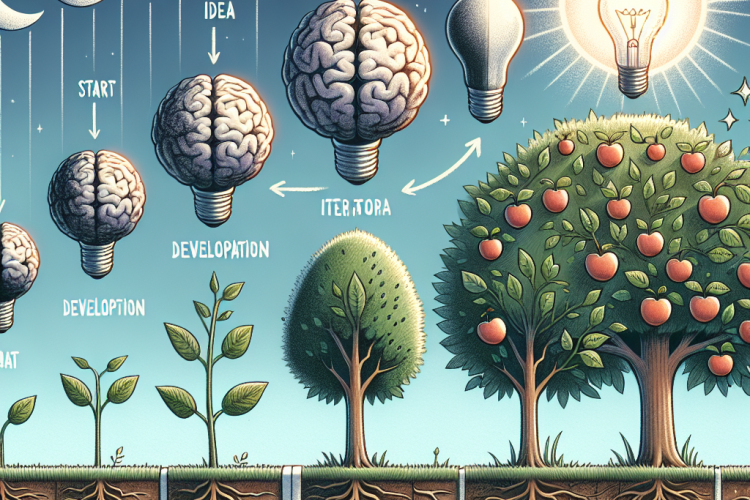
In today’s fast-paced startup ecosystem, the adage “Fail fast, learn fast” rings truer than ever. Entrepreneurs and innovators are tasked with creating products that not only solve problems but do so in a way that meets market needs effectively. This is where the Minimum Viable Product (MVP) development process comes into play. An MVP serves as a vital tool that allows startups to test their ideas rapidly and gather essential feedback before fully committing resources to development.
Understanding the MVP Concept
At its core, a Minimum Viable Product is a stripped-down version of a product that includes only the most essential features necessary for early users. This approach helps in validating business hypotheses and understanding user needs without the risk of developing a full-fledged product that fails to resonate with its target audience.
Key Benefits of Developing an MVP
- Reduced Time to Market: An MVP allows you to launch faster, giving you a competitive edge.
- Cost-Effectiveness: By focusing on essential features, you save on development costs.
- User-Centric Development: Feedback from early users drives future iterations and enhancements.
- Lower Risk: Testing your idea before a large investment reduces financial risks.
The Stages of MVP Development
The journey from idea to iteration involves several key stages:
1. Idea Identification
The first step in creating an MVP is identifying a problem worth solving. This involves thorough market research, competitor analysis, and understanding the needs of your target audience. Brainstorming sessions can help generate and refine ideas, leading to a unique value proposition that distinguishes your product.
2. Defining the Core Features
Once you have a viable idea, it’s crucial to define the core features of your product. This is where you determine what is absolutely necessary for your MVP. Prioritize features that directly address the identified problem and enhance user experience. A common technique used for this purpose is the MoSCoW method (Must have, Should have, Could have, Would like to have).
3. Creating Wireframes and Prototypes
Visualizing your product idea through wireframes and prototypes is an essential step. This allows you to experiment with user interface and user experience (UI/UX) before any actual coding begins. Tools such as Figma, Adobe XD, and InVision can help in creating interactive prototypes that stakeholders can review and provide feedback on.
4. Building the MVP
With the wireframes and prototypes in hand, it’s time to begin the development process. Choosing the right technology stack is vital for your MVP, as this will affect performance, scalability, and future development ease. Opt for agile methodologies to enable iterative development and flexibility in responding to feedback.
5. Releasing the MVP
Launching your MVP to a limited audience allows you to gather invaluable feedback. This stage is crucial for testing the waters and understanding market dynamics. Use techniques such as beta testing, and soft launches to release your MVP to a small group of users to gauge reactions and collect data on their interactions with your product.
Feedback and Iteration
After launching the MVP, your focus should shift to gathering and analyzing user feedback. This stage is fundamental in mastering the MVP development process.
1. Collecting User Feedback
User feedback can be collected through surveys, interviews, and usability testing. It’s important to ask specific questions that pinpoint elements of the product that users like and dislike. Tools like Google Forms or SurveyMonkey can be useful in gathering structured feedback effectively.
2. Analyze Data Effectively
Analyzing the data you collect will enable you to identify patterns and trends in user behavior. Employing analytics tools like Google Analytics or Mixpanel can provide insights into how users are interacting with your MVP, revealing opportunities for improvement or new features.
3. Prioritizing Future Features
Based on user feedback and data analysis, prioritize which features to implement next. It’s crucial to stay aligned with the core problem you’re solving while being agile enough to adapt based on user needs. Use the feedback to iterate on your product, constantly refining and enhancing it.
Scaling Beyond the MVP
Once you’ve validated your idea through initial user feedback and made necessary adjustments, the next step is scaling your product.
1. Enhance Existing Features
Refine existing features based on user interactions and prioritize improvements that drive user satisfaction. Incorporate user feedback to perfect the functionality and usability of your product.
2. Add New Features
Once the core functionalities are well-optimized, consider integrating new features that align with user demand. This phase should still revolve around user needs, ensuring that each addition enhances the overall user experience.
3. Broaden Your Market Reach
Expanding your product’s reach can mean diversifying marketing strategies, targeting new user demographics, or entering new geographical markets. Utilize digital marketing techniques such as content marketing, social media engagement, and paid advertising to increase visibility and attract more users.
Common Pitfalls in MVP Development
While the MVP process significantly reduces risk, it is not without potential pitfalls that entrepreneurs should avoid:
1. Overbuilding the MVP
One of the most common mistakes is adding too many features in an attempt to impress users. Remember, the goal of an MVP is to test the core functionality, not to provide a fully-fledged product.
2. Ignoring User Feedback
Neglecting to listen to user feedback can lead to repeated mistakes and wasted resources. Engage users continually and adapt your product according to their needs.
3. Failing to Iterate
Many startups launch their MVP and, after initial iterations, fail to continue evolving their product. Continuous improvement is key to meeting user needs and adapting to market changes.
Conclusion
The journey from idea to iteration in the MVP development process is a critical phase that can determine the success or failure of a product in today’s competitive landscape. By focusing on understanding user needs, gathering feedback, and iterating on your product, you can significantly reduce risks associated with product development. As you master this process, you not only enhance your chance of achieving product-market fit but also pave the way for long-term business success. Remember, the goal of an MVP is not just to launch a product, but to create a framework for continuous learning and adaptation, setting the stage for sustained growth and innovation.



0 Comments