
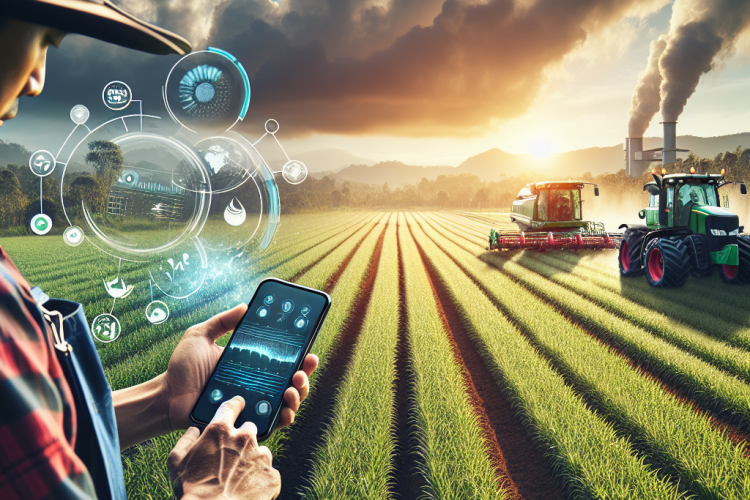
The agricultural industry has seen unprecedented transformations over the last few decades. One of the most notable shifts is the integration of technology in farming practices. Among the various technological advancements, mobile applications stand out for their immense potential to revolutionize modern agriculture. This article delves into how mobile apps contribute to the future of farming, providing benefits and addressing challenges.
The Evolution of Farming Technology
Historically, agriculture relied on traditional methods passed down through generations. However, as the global population grows and demands on food production increase, the need for innovative solutions has become critical. The advent of technology in agriculture started with mechanization and has now evolved to include data-driven farming practices, with mobile apps serving as essential tools.
Benefits of Mobile Apps in Modern Farming
1. Precision Agriculture
Mobile apps facilitate precision agriculture by offering features that allow farmers to optimize their input resources such as water, seeds, and fertilizers. These applications provide real-time data analytics that guide farmers in making data-driven decisions to enhance productivity and efficiency.
2. Weather Forecasting
Accurate weather forecasting is crucial for planning agricultural activities. Mobile apps offer advanced weather prediction services, enabling farmers to make informed decisions about planting and harvesting times, which in turn minimizes weather-related risks and losses.
3. Crop Monitoring
Using satellite imagery and drones integrated with mobile apps, farmers can remotely monitor crop health. This real-time monitoring helps in early detection of diseases and pest infestations, facilitating timely interventions to save crops and maintain yield quality.
4. Farm Management Systems
Mobile apps now offer comprehensive farm management systems that assist farmers in organizing their operations. From inventory management to financial bookkeeping, these apps provide a one-stop solution for managing various farming activities efficiently.
5. Digital Marketplaces
Market access has long been a challenge for many farmers, especially those in remote areas. Mobile apps create platforms for digital marketplaces where farmers can sell their products directly to consumers, reducing middlemen and increasing profit margins.
6. Resource Management
Water and soil management are critical components of sustainable farming. Mobile applications help farmers track water usage and soil conditions, promoting sustainable resource use and reducing environmental impact.
Integrating IoT with Mobile Apps
The Internet of Things (IoT) has opened new avenues for agriculture. Sensors placed throughout farms collect data on various parameters such as soil moisture and crop health. When integrated with mobile apps, this data becomes accessible to farmers in real-time, empowering them to make informed decisions from anywhere.
1. Smart Irrigation Systems
IoT-enabled irrigation systems connected to mobile apps allow for precise control over water usage. Farmers can adjust irrigation schedules based on soil moisture data, ensuring optimal water use and conserving resources.
2. Automated Equipment
Automation, guided by IoT and mobile technology, streamlines operations such as planting, fertilizing, and harvesting. This reduces human labor requirements and increases operational efficiency.
Challenges and Barriers
1. Accessibility and Literacy
One of the major challenges is the accessibility of mobile technology to all farmers, particularly in developing regions. Additionally, digital literacy levels among farmers can affect the efficient use of apps.
2. Data Security and Privacy
As farmers increasingly rely on mobile apps, concerns regarding data security and privacy have emerged. Protecting sensitive farm data from breaches is crucial to building trust in mobile solutions.
3. Connectivity Issues
Rural areas often face connectivity issues that can hinder the usage of mobile apps. Reliable internet access is necessary for real-time data transfer and communication.
The Future of Mobile Apps in Farming
The role of mobile apps in farming is likely to expand as technology continues to advance. Future developments might include AI-driven applications that provide predictive analytics and blockchain-based platforms for secure transactions in digital marketplaces. As these technologies evolve, they will further integrate and transform the agricultural landscape.
Mobile apps have become indispensable tools in the modern farming toolkit, providing solutions for various challenges faced by the industry. By enhancing efficiency, productivity, and sustainability, these apps contribute significantly to the vision of future farming. Despite challenges such as accessibility and data security, the continued development and adoption of mobile technologies are pivotal in ensuring food security and nurturing sustainable agricultural practices for generations to come.



0 Comments