
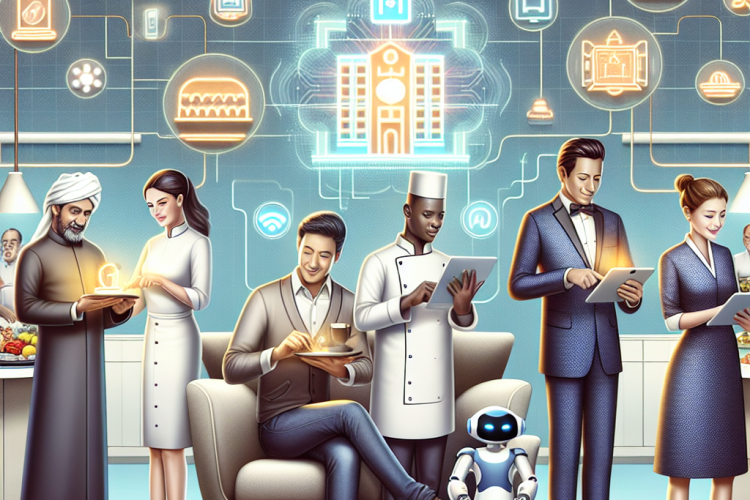
The hospitality industry has undergone significant transformations in recent years, with advancements in technology leading the charge. One of the most impactful elements of this evolution is Artificial Intelligence (AI). It is reshaping the way hospitality apps are designed, developed, and utilized.
Enhancing Customer Experience
AI-powered hospitality apps are revolutionizing how businesses interact with customers, providing personalized experiences that cater to individual preferences. These apps utilize machine learning algorithms to analyze user behavior, enabling them to:
- Offer tailored recommendations for hotels, restaurants, and activities.
- Facilitate seamless booking processes through chatbots.
- Provide real-time feedback and customized services.
Operational Efficiency
By integrating AI into hospitality apps, businesses can streamline operations. AI can automate various tasks, including:
- Managing bookings and reservations.
- Handling customer inquiries with virtual assistants.
- Predicting demand and optimizing staffing levels.
These efficiencies help reduce costs and improve service delivery.
Data-Driven Decision Making
AI tools provide valuable insights through data analysis. Hospitality apps equipped with AI can:
- Analyze customer feedback and reviews.
- Identify trends and patterns in guest behavior.
- Optimize pricing strategies based on market dynamics.
Such insights empower businesses to make informed decisions that enhance profitability.
Looking Ahead
As AI technology continues to evolve, its influence on the hospitality sector will deepen. Future applications may include:
- Virtual reality experiences for guests to preview accommodations.
- AI-driven predictive analytics for enhanced marketing strategies.
- Robotic services for tasks such as room service delivery.
Conclusion
The adoption of AI in hospitality apps is not just a trend; it is a necessity for businesses aiming to thrive in an increasingly competitive market. By leveraging AI’s capabilities, hospitality providers can significantly enhance customer experiences, improve operational efficiency, and make data-driven decisions that foster growth.


0 Comments