
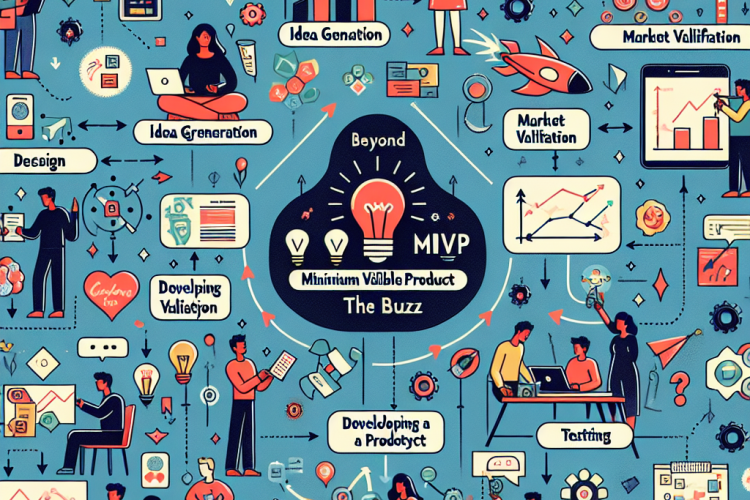
The tech landscape is filled with buzzwords and concepts designed to encapsulate complex ideas into digestible terms. One such term that has emerged as a cornerstone of modern startups and innovation processes is the “Minimum Viable Product,” or MVP. This article is designed to explore the multifaceted world of Minimum Viable Products, delving into their definition, importance, practical applications, and the impact they have on businesses and consumers alike.
What is a Minimum Viable Product?
A Minimum Viable Product is often defined as the simplest version of a product that allows a team to gather the maximum amount of validated learning about customers with the least effort. This concept is foundational in the Lean Startup methodology, popularized by Eric Ries.
The primary aim of an MVP is to validate assumptions about a product before fully investing time and resources into its development. By introducing a simplified version of a product to early adopters, organizations can collect essential feedback and make informed decisions about future development efforts.
The Importance of MVPs in Today’s Market
In today’s fast-paced business environment, the lifecycle of products is shorter than ever. The traditional approach of spending months or even years developing a full-fledged product before launch is increasingly seen as risky and inefficient. Here are some key reasons why MVPs have gained traction:
1. Reducing Time to Market
Launching an MVP allows companies to enter the market quickly. This advantage is especially crucial in industries where trends can change rapidly. By getting a product out sooner, businesses can capture market share and begin building a customer base before competitors have a chance to catch up.
2. Cost Efficiency
Developing a fully-featured product typically requires significant financial investment, which can be daunting for startups and smaller companies. An MVP allows companies to allocate limited resources more efficiently, focusing on the core functionalities that are most likely to appeal to users.
3. Gaining Customer Feedback
One of the most valuable outcomes of launching an MVP is the feedback gathered from real users. This information can be used to improve the product, ensuring it meets customers’ needs and desires. Continuous feedback also helps in fine-tuning the product offering as the market evolves.
How to Build an Effective Minimum Viable Product
Creating an MVP requires a strategic approach to ensure its effectiveness. Here are the steps involved in building a successful Minimum Viable Product:
1. Identify the Problem
Every successful product starts with a problem that needs solving. Conducting thorough market research to understand the pain points of your target audience is crucial. Focus on a specific challenge that your product intends to resolve, as this will guide your MVP’s core functionalities.
2. Define Your Target Audience
Who will use your product? Understanding your target audience is critical to developing features that resonate with them. Use personas and segmentation strategies to clarify your ideal customer.
3. Outline Core Features
Once you understand the problem and your audience, it’s time to identify the key features that comprise your MVP. Aim to include only the functionalities that address the core problem while disregarding unnecessary additions that can complicate the product.
4. Build the MVP
With your features defined, it’s time to develop the MVP. Depending on resources and the complexity of the product, this could range from creating a simple prototype to developing a fully functional app. The goal is to build a version that is usable but not overloaded with features.
5. Launch and Gather Feedback
Launch your MVP to a select group of users or early adopters. Encourage them to share their thoughts, suggestions, and experiences. This feedback-loop is critical for making improvements.
6. Iterate Based on Feedback
The final step in the MVP process is iteration. Use the feedback collected to refine your product, add new features that customers want, and address issues that may have arisen. This can often lead to a more successful product than one that was developed in a vacuum.
Examples of Successful Minimum Viable Products
To illustrate the effectiveness of the MVP approach, let’s look at some well-known examples from the market:
1. Dropbox
Dropbox famously started as an MVP that simply consisted of a video explaining the product. This video attracted a huge number of sign-ups, validating the idea before the actual product was built.
2. Airbnb
Airbnb began as a simple website that allowed people to rent out air mattresses in their living rooms. This MVP helped the founders test the idea of sharing space before expanding into the comprehensive platform it is today.
3. Zappos
Zappos started as an MVP by testing the hypothesis that people would buy shoes online. The founder photographed shoes from local stores, posted them online, and purchased them only after sales were made. This model reaffirmed the concept of selling shoes online, leading to Zappos’ massive success.
Challenges of Launching an MVP
While the MVP approach is valuable, it is not without its challenges. Companies may encounter several roadblocks, including:
1. Misinterpreting Feedback
Feedback is invaluable, but misinterpreting it can lead to misguided changes. Companies must ensure they take a holistic view of feedback and avoid reacting to isolated opinions.
2. Underestimating Market Needs
A successful MVP must genuinely address a market need. Failing to understand customer requirements can lead to an MVP that is ineffective or irrelevant.
3. Balancing Quality and Speed
Striking a balance between delivering a product quickly and maintaining quality can be tricky. An MVP should still reflect a professional standard, as poor quality can harm a brand’s reputation.
Future Trends in MVP Development
As industries continue to evolve, so too will the approach to MVPs. Here are some emerging trends:
1. Increased Focus on User Experience
As competition grows, user experience will become an increasingly important factor. Future MVPs will need to put a greater emphasis on design and usability from the outset.
2. Integration of AI and Data Analytics
Utilizing AI and data analytics will help in gathering more accurate customer insights, refining MVPs more quickly, and ensuring they meet market needs effectively.
3. Agile Development Methods
Agile methodologies will continue to play a crucial role in the MVP lifecycle, allowing businesses to adapt rapidly in response to feedback and changing market conditions.
Conclusion
The concept of a Minimum Viable Product goes beyond just launching a basic version of a product. It encapsulates a methodology of learning, iterating, and adapting to meet customer needs and market demands. In a world where speed, efficiency, and adaptability are paramount, MVPs provide a robust framework for fostering innovation while mitigating risks and costs. As more businesses embrace this methodology, the tides of the market continue to shift, emphasizing the importance of being not just reactive but proactively attuned to customer needs and feedback. In this dynamic environment, successful MVPs will shape not just individual companies but entire industries, leading us toward a future that prioritizes agility and responsiveness in product development.


0 Comments