
Introduction
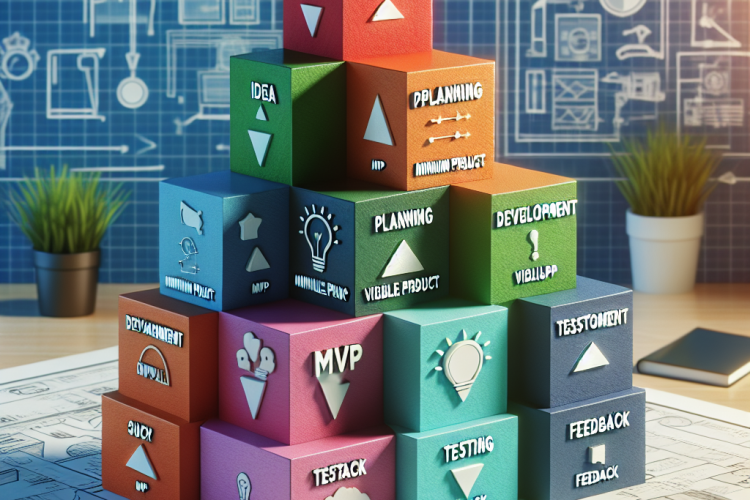
A Minimum Viable Product (MVP) is an essential concept in the startup world, enabling entrepreneurs to test their ideas with minimal resources. By prioritizing core functionalities, an MVP allows for rapid deployment, user feedback, and iterative development, ultimately reducing the risk of failure. This article explores the key components required to build a successful MVP, guiding you through the essential building blocks that foster innovation and growth.
1. Understanding the MVP Concept
The MVP is a strategy aimed at developing a product with just enough features to satisfy early adopters and gather feedback for future development. The goal is to validate the core hypothesis of a business idea without over-investing in resources. By starting small, entrepreneurs and teams can pivot quickly based on user insights, leading to better alignment with market demands.
2. Identifying the Core Problem
The first step in creating an effective MVP is to identify a specific problem that your product will solve. A well-defined problem statement helps in focusing on the essential features that solve user pain points. Consider the following steps to clarify the problem:
- Market Research: Analyze existing solutions and determine gaps in the market.
- User Interviews: Engage with potential users to understand their needs and challenges.
- Competitor Analysis: Study competitors to learn what works and what doesn’t.
3. Defining Your Target Audience
Understanding who will use your product is crucial for designing a successful MVP. Defining a target audience enables you to tailor your product based on user characteristics, preferences, and behavior. Here are key aspects to consider:
- Demographics: Age, gender, income level, education, etc.
- Psychographics: Interests, values, lifestyles, etc.
- User Personas: Create detailed profiles of ideal customers to visualize user needs.
4. Prioritizing Features
Once the core problem and target audience are defined, the next step is feature prioritization. Focus only on the most essential features that address the problem and provide value to the users. Employ techniques like:
- MoSCoW Method: Classify features into Must-have, Should-have, Could-have, and Won’t-have.
- Value vs. Complexity Matrix: Assess the value a feature brings against the complexity of implementation.
By narrowing down to a minimal set of features, you can effectively reduce the scope of the MVP and increase the chances of faster market entry.
5. Building a Functional Prototype
The next stage involves developing a functional prototype that embodies the prioritized features. This prototype does not need to be perfect; the goal is to create a working model that users can interact with. Adapt the following strategies for effective prototyping:
- Wireframes: Create wireframes to outline the user interface and experience.
- Mockups: Develop high-fidelity mockups that visually represent the final product.
- Interactive Prototypes: Tools like InVision or Figma can make mockups interactive for user testing.
6. Testing with Early Adopters
Once the prototype is ready, the next step is to share it with early adopters. Engaging real users at this stage is crucial for gathering authentic feedback. Follow these best practices:
- Beta Testing: Conduct closed beta tests with a select group of users to observe interactions.
- Feedback Mechanisms: Utilize surveys, interviews, and analytics to collect insights on user experience.
- Iterate: Use feedback to refine the product, adding or modifying features based on user suggestions.
7. Agility and Iteration
The ability to iterate quickly and implement changes based on user feedback is one of the MVP’s key advantages. An agile approach allows teams to evolve the product rapidly, adapting to shifting market conditions or user preferences. Consider adopting methodologies such as Scrum or Kanban to manage development effectively and maintain flexibility.
8. Leveraging Metrics for Success
Tracking key performance indicators (KPIs) helps in assessing the success of an MVP. Metrics can provide insights into user engagement, retention, and satisfaction, informing future development. Important KPIs to focus on include:
- Active Users: The number of daily or monthly active users can indicate product traction.
- Retention Rate: Measures the percentage of users returning after their initial use.
- User Feedback: Analyzing qualitative and quantitative feedback helps identify improvement areas.
- Conversion Rates: If applicable, track how many users convert from free to paid plans.
9. Marketing and User Acquisition
Even the best MVP requires an effective marketing strategy to reach potential users. Employ various digital marketing tactics, including:
- SEO: Optimize your product’s website and content for search engines.
- Content Marketing: Create valuable content that attracts and engages your target audience.
- Social Media: Harness social media platforms to build a community around your product.
- Email Marketing: Develop a mailing list to keep potential users informed of developments.
Conclusion
Building a successful MVP is an intricate process that involves understanding user needs, defining core problems, and prioritizing features efficiently. By focusing on essential components and leveraging user feedback, entrepreneurs can create products that not only solve existing challenges but also resonate with their audience. Remember that an MVP is not a final product; it’s a stepping stone towards a refined version that can thrive in the competitive market. Continuous iteration, user engagement, and a data-driven approach are pivotal elements that lead to long-term success.



0 Comments