
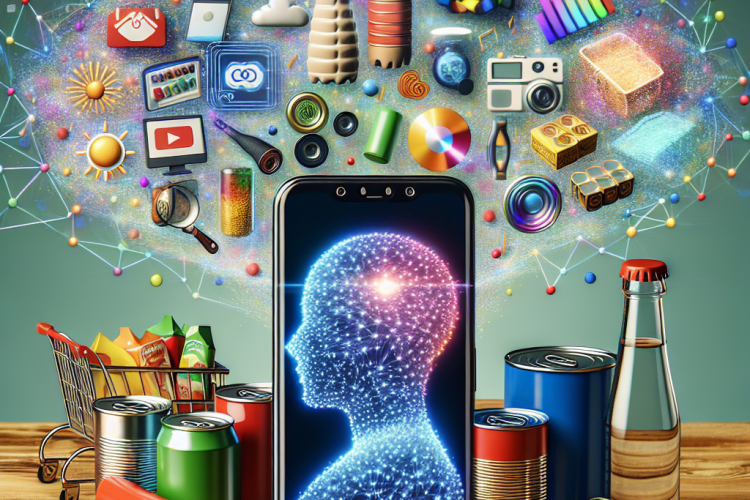
The Fast-Moving Consumer Goods (FMCG) sector is one of the most competitive industries, marked by rapidly changing consumer preferences and market dynamics. Artificial Intelligence (AI) and Big Data are becoming integral to the development of FMCG apps, providing businesses with the tools to enhance customer engagement, streamline operations, and drive sales.
Understanding FMCG and Its Challenges
FMCG products are items that sell quickly at relatively low cost, such as food, beverages, toiletries, and over-the-counter drugs. The industry faces significant challenges, including:
- Intense competition
- Changing consumer preferences
- Supply chain complexities
- Need for brand loyalty
The Role of Big Data
Big Data refers to vast volumes of structured and unstructured data that can be analyzed for insights. In the context of FMCG app development, Big Data can be utilized in the following ways:
1. Consumer Insights
By analyzing purchase history, social media interactions, and customer feedback, businesses can gain insights into consumer behavior and preferences, enabling personalized marketing strategies.
2. Supply Chain Optimization
Big Data analytics helps in forecasting demand, optimizing inventory levels, and managing supply chain inefficiencies, thereby reducing costs and increasing efficiency.
3. Enhanced Decision-Making
Data-driven decision-making allows companies to identify market trends quickly and adapt to changes, providing a competitive edge.
The Impact of AI
AI technologies complement Big Data by allowing businesses to automate processes and enhance customer interactions. The following are significant roles of AI in FMCG app development:
1. Personalization
AI algorithms analyze user behavior to provide personalized recommendations, improving the customer experience and enhancing user engagement within the app.
2. Predictive Analytics
Machine learning algorithms can predict consumer behavior and preferences, enabling companies to tailor their offerings effectively.
3. Chatbots and Virtual Assistants
AI-driven chatbots provide 24/7 customer service, answering queries, offering product recommendations, and processing orders seamlessly.
Combining AI and Big Data
The integration of AI and Big Data leads to advanced analytics capabilities that can further refine marketing strategies, improve product offerings, and enhance customer loyalty. This synergy also allows for real-time analysis and responsiveness to market dynamics.
Conclusion
In the ever-evolving FMCG landscape, the role of AI and Big Data in app development is paramount. Companies that leverage these technologies effectively can enhance customer experiences, streamline operations, and stay ahead of the competition. As technology continues to advance, the potential for innovation in the FMCG sector is limitless.


0 Comments