
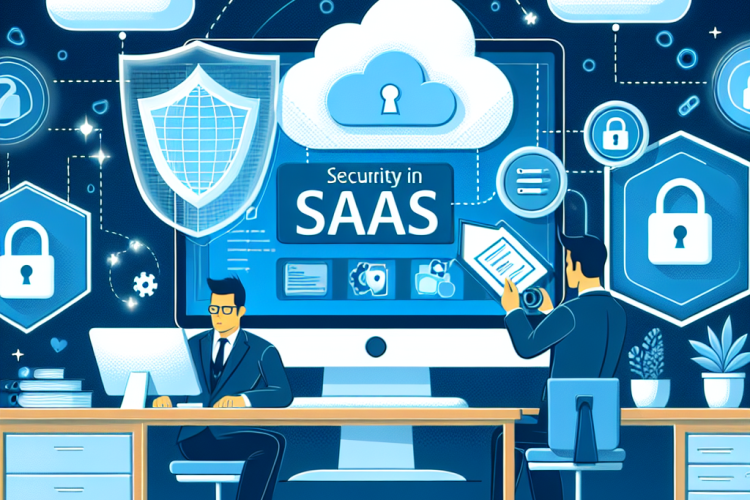
As the adoption of Software as a Service (SaaS) continues to climb, so too does the responsibility of developers to ensure that their applications are secure. With an ever-increasing reliance on cloud-based solutions, it’s critical to understand the unique challenges and strategies for securing SaaS environments. This guide explores key principles and best practices to protect data, both for developers building SaaS applications and organizations adopting them.
Understanding the Threat Landscape
The threat landscape for SaaS applications is vast and varied. Developers must contend with a range of potential vulnerabilities, including:
- Data Breaches: Unauthorized access to sensitive data can lead to significant financial and reputational damage.
- Account Takeovers: Attackers exploiting weak authentication mechanisms can hijack accounts.
- Data Leakages: Accidental exposure of data due to insufficient access controls or cloud misconfigurations.
- Insider Threats: Malicious or careless insiders causing damage from within the organization.
By understanding these threats, developers can better strategize and mitigate potential risks.
Best Practices for SaaS Security
Implement Strong Authentication Mechanisms
Robust authentication mechanisms are foundational to securing SaaS applications. Consider implementing:
- Multi-factor Authentication (MFA): Enhance security by requiring users to provide multiple forms of verification.
- Password Policies: Enforce strong, unique passwords with regular expiration and complexity requirements.
- OAuth and SAML: Utilize industry-standard protocols for authentication and authorization.
Data Encryption
Encryption is a critical component in safeguarding data both in transit and at rest. Consider the following recommendations:
- Transport Layer Security (TLS): Use TLS to protect data as it moves between systems.
- Database Encryption: Encrypt sensitive data stored in databases using techniques like AES (Advanced Encryption Standard).
- End-to-End Encryption: Implement encryption that ensures only the intended recipient can decrypt the data.
Secure Code Development
Writing secure code is paramount in building a resilient SaaS application. Some best practices include:
- Input Validation: Protect against injection attacks by validating and sanitizing user input.
- Use of Secure Libraries: Employ well-maintained libraries and frameworks with built-in security features.
- Regular Code Audits: Conduct continuous code reviews and security testing to identify vulnerabilities early.
Access Control and Identity Management
Restricting access to sensitive information is crucial in preventing unauthorized data access. Strategies include:
- Role-Based Access Control (RBAC): Implement RBAC to ensure users have access only to the resources necessary for their role.
- Least Privilege Principle: Limit granted privileges to the minimum necessary to perform a job.
- Regular Access Audits: Conduct periodic reviews of user permissions and make necessary adjustments.
Monitoring and Logging
Effective monitoring and logging help in detecting and responding to security incidents promptly. Considerations include:
- Centralized Logging: Use tools to gather logs from different sources for easier analysis.
- Automated Alerts: Set up alerts to notify of suspicious activity or potential breaches.
- Regular Log Reviews: Conduct systematic reviews of logs to identify patterns or anomalies.
Incident Response Planning
An actionable incident response plan is essential to minimize damage and recover from security breaches quickly. Key components include:
- Preparation: Develop and communicate a comprehensive incident response plan, ensuring all stakeholders are aware.
- Detection and Analysis: Establish processes to detect and analyze potential security incidents swiftly.
- Containment and Eradication: Implement strategies to contain a breach and eliminate the root cause.
- Recovery: Focus on restoring operations and validating that systems are secure before full resumption of services.
Data Privacy and Compliance
Compliance with data privacy regulations is non-negotiable for SaaS providers. Important considerations include:
- GDPR and CCPA Compliance: Ensure your application complies with relevant regulations based on user location.
- Data Anonymization: Implement measures to anonymize user data where necessary.
- Privacy Policy Updates: Regularly update privacy policies to reflect new practices and regulatory changes.
Cloud Security Posture Management
Effective management of your cloud security posture is essential to protect against data breaches and loss. Strategies include:
- Continuous Assessment: Regularly evaluate cloud configurations and potential vulnerabilities.
- Automated Security Tools: Use tools to automate security assessments and enforce policies.
- Threat Intelligence: Integrate threat intelligence to stay informed about emerging threats.
Vendor and Third-Party Risk Management
Third-party vendors often present security risks. Consider these strategies to mitigate exposure:
- Due Diligence: Perform thorough assessments before engaging with third-party vendors.
- Vendor Contracts: Include security requirements and breach reporting measures in contracts.
- Audits and Monitoring: Conduct regular assessments to ensure third-party compliance with security standards.
Conclusion
In today’s digital landscape, the security of Software as a Service applications is a critical imperative. Developers must take a proactive approach to safeguard sensitive data against evolving threats. By implementing robust authentication mechanisms, practicing secure code development, ensuring diligent monitoring and logging, and remaining compliant with data privacy regulations, developers can bolster the security posture of their SaaS applications. It’s an ongoing challenge, but one that can be met with informed strategies and a commitment to continuous improvement.
By following these guidelines, developers can not only protect their applications from potential threats but also build trust with users, ensuring that the solutions they offer can stand against the intricate challenges of cybersecurity today and tomorrow.



0 Comments