

In today’s digital age, web applications have become an integral part of our daily lives. We use them for communication, shopping, entertainment, and even managing our personal and professional tasks. The seamless experience these web apps offer often goes unnoticed by users, but behind the scenes, there is a complex web of design and functionality that makes this possible. Among the various types of web applications, custom web apps stand out as the secret sauce to a seamless user experience. In this article, we will explore the various aspects of custom web applications, including their development, benefits, and role in enhancing user experience.
Understanding Custom Web Applications
A custom web application is a software application that is developed specifically to meet the needs of a particular business or group of users. Unlike off-the-shelf software, which is designed for a broad audience, custom web apps are tailored to address specific requirements and offer bespoke solutions. This specificity ensures that the application aligns with the unique processes and goals of an organization, leading to improved efficiency and productivity.
Custom web apps are built using web technologies such as HTML, CSS, JavaScript, and server-side languages like PHP, Ruby, or Python. They can be accessed through web browsers, eliminating the need for users to install software on their devices. This accessibility makes them highly convenient and user-friendly.
Benefits of Custom Web Applications
1. Tailored Solutions
One of the most significant advantages of custom web apps is that they are designed to solve specific problems. Businesses can collaborate with developers to ensure that the application meets their exact needs, which is often not possible with off-the-shelf software. This tailored approach can result in increased operational efficiency and a competitive edge in the market.
2. Scalability
As businesses grow, their needs and processes evolve. Custom web applications can be designed with scalability in mind, allowing the application to grow alongside the business. This future-proofing ensures that companies do not outgrow their software, and can easily add new features as needed.
3. Integration
Custom web apps can be integrated with existing systems and databases, creating a cohesive ecosystem that improves information flow and decision-making. This integration is often a pain point for organizations using multiple off-the-shelf solutions, as they may encounter compatibility issues.
4. Enhanced Security
Security is a top concern for businesses operating in the digital space. Custom web applications can be built with advanced security measures tailored to address the specific risks faced by an organization. This level of customization greatly reduces the possibility of security breaches and data loss.
5. Cost-Effectiveness Over Time
While the initial development cost of custom web apps may be higher than off-the-shelf solutions, they offer better value over time. Custom apps eliminate the need for expensive licenses and can be maintained and updated according to the needs of the business, resulting in cost savings in the long run.
Improving User Experience with Custom Web Apps
User experience (UX) is critical to the success of any web application. A poor UX can drive users away, while a seamless experience can lead to increased user satisfaction and loyalty. Custom web apps play a vital role in enhancing UX through the following means:
1. Personalization
Personalization is the cornerstone of a positive user experience. Custom web apps allow businesses to offer personalized content and interactions based on user preferences and behavior. This personalization can lead to a more engaging and meaningful user experience.
2. Streamlined Navigation
Navigation is a key aspect of UX. Custom web apps are designed with user needs in mind, ensuring that navigation is intuitive and user-friendly. This streamlined navigation helps users find what they are looking for quickly and efficiently, enhancing their overall experience.
3. Responsive Design
With the growing use of mobile devices, responsive design has become essential. Custom web apps are built to be responsive, ensuring that they provide a consistent experience across different devices and screen sizes. This adaptability further enhances user satisfaction.
4. Faster Load Times
The speed at which a web app loads can significantly impact user experience. Custom web apps are optimized for performance, reducing load times and ensuring that users do not experience frustration. Faster load times can lead to higher engagement and conversion rates.
5. Feedback Loops
Custom web apps often include feedback mechanisms that allow users to provide input and suggestions. This feedback is invaluable for making continuous improvements and ensuring that the application meets user needs effectively.
The Development Process of Custom Web Applications
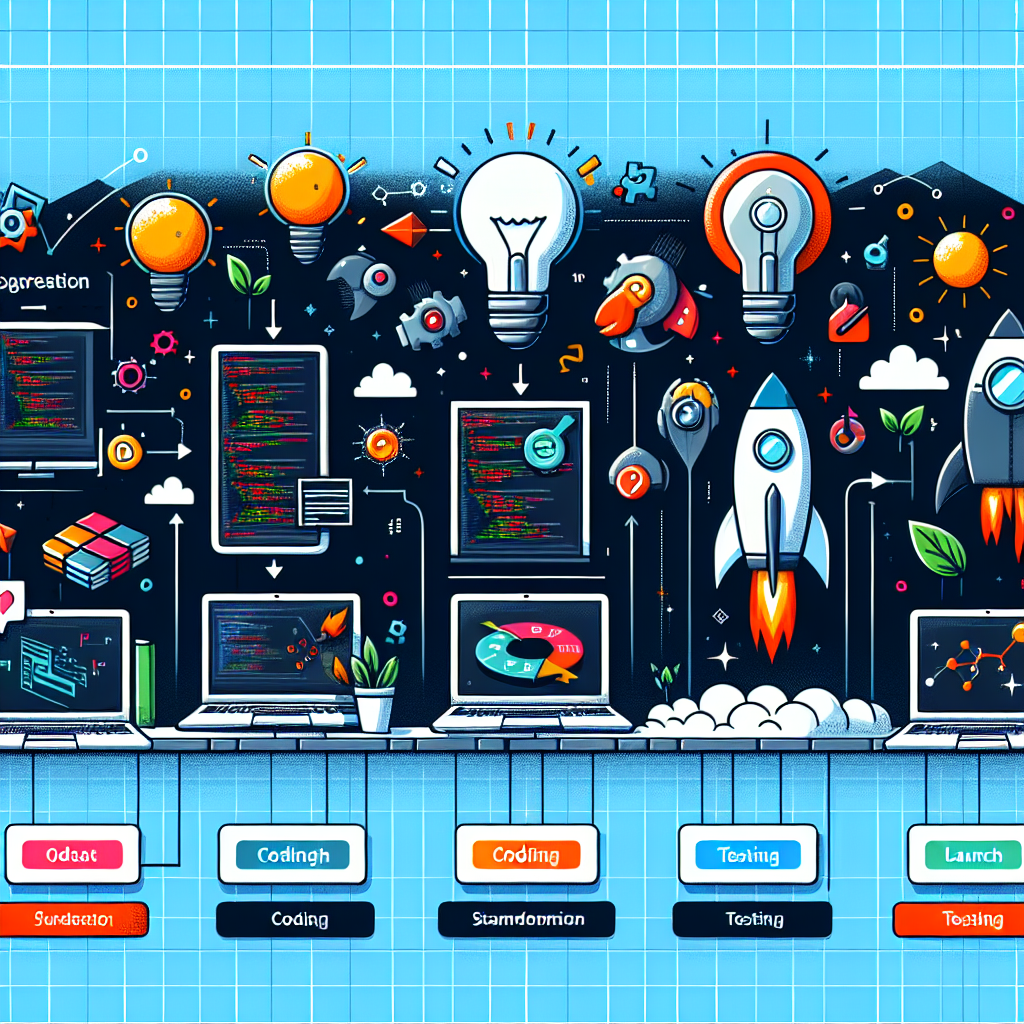
Developing a custom web application involves several stages, each crucial to creating a successful and seamless user experience. The process typically includes:
1. Requirement Gathering
The first step in developing a custom web app is understanding the needs and objectives of the business. This involves in-depth discussions with stakeholders to identify the problems that need solving and the goals the application should achieve.
2. Planning and Design
Once the requirements are clear, the next step is planning the application architecture and design. This phase involves creating wireframes, mockups, and prototypes to visualize the user interface and user journey.
3. Development
The development phase involves writing the actual code for the application. Developers use various programming languages and technologies best suited to the project’s requirements to build the back-end and front-end components.
4. Testing
Before a custom web app is launched, it undergoes rigorous testing to identify and fix any bugs or issues. This stage ensures that the application functions correctly under different scenarios and provides a seamless user experience.
5. Deployment and Maintenance
Once the application passes testing, it is deployed to a live environment. Post-launch, developers continue to monitor the app for performance and security, making updates and improvements as needed.
Conclusion
Custom web applications offer a plethora of benefits that can significantly enhance a business’s operations and user experience. By providing tailored solutions that integrate seamlessly with existing systems and incorporate advanced security measures, custom web apps ensure that businesses remain agile and competitive in the digital marketplace. The ability to deliver personalized, efficient, and responsive user experiences makes custom web apps an invaluable asset in achieving business success. As technology continues to evolve, the role of custom web apps in creating seamless and engaging user experiences will only become more crucial.


0 Comments