
Introduction
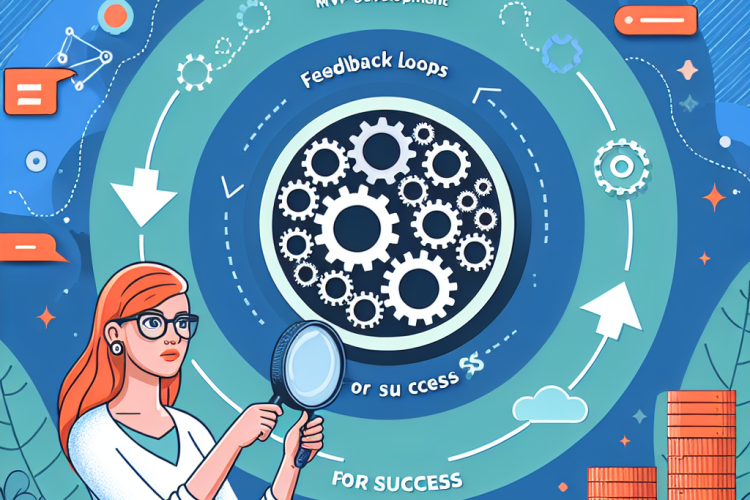
In today’s fast-paced tech landscape, developing a Minimum Viable Product (MVP) is pivotal for startups and established businesses alike. An MVP helps teams validate their ideas quickly while minimizing wasted resources. However, many fail to incorporate essential user-centric elements into their MVP development. One of the core philosophies of successful MVP development is the integration of feedback loops. This article aims to delve into the significance of user-centric MVP development and the importance of feedback loops for achieving success.
Understanding User-Centric Development
User-centric development emphasizes the need to prioritize the needs, wants, and limitations of end-users throughout the product development cycle. This approach cultivates a product that resonates with users, improves usability, and fosters customer satisfaction. The success of tech products relies heavily on the user experience (UX); hence, user-centric development has emerged as a fundamental practice.
Components of User-Centric Development
- User Research: Understanding target users through surveys, interviews, and market analysis.
- Personas: Creating user personas that represent segments of the target audience.
- Usability Testing: Early testing with real users to identify usability issues and understand behaviors.
- Iterative Design: Adopting an iterative design process that allows for continual improvements based on user feedback.
MVP Definition and Purpose
A Minimum Viable Product is the most stripped-down version of a product that can still be released to early adopters. The goal is to validate product ideas early with minimal effort and investment. This stage allows teams to collect important insights, reduce risks, and eliminate assumptions.
The Core Benefits of an MVP
- Cost-Efficiency: By focusing on essential features, businesses can divert resources to effective marketing and growth strategies.
- Speed to Market: Launching a minimal product accelerates the learning process and enables user feedback incorporation.
- Market Validation: Gathering real user data can help refine product features and direction based on consumer desires.
The Importance of Feedback Loops in MVP Development
Feedback loops are crucial mechanisms that provide continuous insight into user preferences and behaviors. For MVPs, integrating feedback loops can shape the product into one that truly serves its audience.
Types of Feedback Loops
- Qualitative Feedback: Collecting opinions, insights, and suggestions from users through interviews and focus groups.
- Quantitative Feedback: Utilizing analytics and metrics to measure user interaction and engagement with the MVP.
- A/B Testing: Experimenting with variations of features to determine which design or functionality yields better user responses.
Creating Effective Feedback Loops
To harness the true potential of feedback loops, it is essential to implement best practices that can enhance the quality of user interactions and subsequent insights. Below are some strategies to create effective feedback loops:
- Frequent User Engagement: Engage users regularly, encouraging them to provide feedback on their experiences.
- Easy Feedback Channels: Provide clear and simple methods for users to give feedback, such as surveys, feedback forms, or in-app prompts.
- Act on Feedback: Demonstrate that user feedback is valued by showcasing how insights impact product iterations.
- Follow-Up: After implementing changes based on feedback, follow up with users to assess whether their concerns have been addressed.
The User-Centric MVP Development Cycle
The MVP development cycle is an iterative process that involves the following stages:
- Step 1: Identify User Needs: Conduct user research to identify pain points and desires.
- Step 2: Build the MVP: Develop a version of the product that embodies the core features necessary for solving user problems.
- Step 3: Launch the MVP: Release the MVP to a select audience for initial testing.
- Step 4: Gather Feedback: Use qualitative and quantitative methods to collect user feedback on the MVP experience.
- Step 5: Iterate: Analyze the feedback data and implement changes to improve the product.
- Step 6: Re-Test: Roll out the refined product to the same user group and repeat the feedback process.
Challenges in User-Centric MVP Development
While focusing on user-centric development offers many advantages, it also presents challenges that need to be navigated carefully.
Common Pitfalls
- Over-Reliance on User Feedback: Although feedback is crucial, developing solely based on user input can limit innovation and creativity.
- Ignoring Data: Balancing qualitative insights with quantitative data ensures a well-rounded understanding of user needs.
- Feedback Delays: Delays in collecting or analyzing user feedback can stymie the iterative process, significantly extending the development timeline.
Case Studies of Successful User-Centric MVP Development
Many successful companies have employed user-centric MVP development strategies complemented by effective feedback loops, yielding remarkable results. Below are some notable examples:
Airbnb
Airbnb started as a simple MVP: offering accommodations through a basic website. Founders quickly gathered user feedback and iteratively improved the platform. With constant user engagement, Airbnb was able to pivot its features based on real user experiences, eventually transforming into a global leader in the hospitality industry.
Dropbox
Before launching its product, Dropbox created a simple explainer video that effectively communicated the product’s values. The response from the audience indicated substantial interest, allowing them to adjust their feature set according to what users seemed to want the most. Their user feedback became a critical driving force in refining their technology as it developed.
Conclusion
In conclusion, user-centric MVP development combined with effective feedback loops not only streamlines the development process but also ensures that the final product meets the real needs of users. By emphasizing the importance of user research, iterative testing, and continuous feedback, businesses can significantly enhance their chances of success. Embracing a user-centric mindset allows teams to foster innovation, streamline development processes, and ultimately build products that resonate with their audience. In a world where user experience determines success, prioritizing user feedback and integrating it into the MVP development cycle is more critical than ever.



0 Comments