
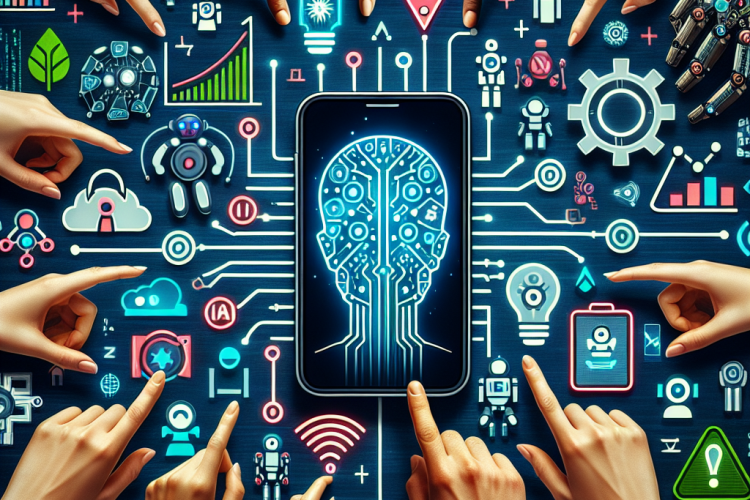
The integration of Artificial Intelligence (AI) with mobile application development is not just a trend—it’s a revolution. As mobile devices become increasingly sophisticated, developers are leveraging AI to enhance user experience, boost functionality, and innovate consistently. This article explores the latest trends in AI that are shaping the future of mobile app development.
1. Natural Language Processing (NLP)
Natural Language Processing has significantly transformed mobile applications. NLP enables apps to understand and generate human language, which improves communication between users and devices. For example, voice-activated virtual assistants like Siri, Alexa, and Google Assistant have become mainstream, setting the bar for user interaction.
1.1 Text Analysis and Sentiment Analysis
Mobile apps are using NLP to analyze user-generated text to understand sentiment, detect mood, and provide personalized content or services. Apps like Grammarly use NLP algorithms to offer grammar checking and content tone suggestions.
2. AI-Powered Personalization
Personalization is key in mobile applications, and AI takes this to the next level by analyzing user data and behavior. Algorithms can predict user preferences and tailor content accordingly.
2.1 Predictive Analytics
Mobile apps utilize predictive analytics to anticipate user needs. Streaming services like Netflix and Spotify recommend content based on user history, while e-commerce platforms suggest products that the user is likely to purchase.
3. Augmented Reality (AR) and AI
AI and Augmented Reality are intersecting in fascinating ways. Mobile games and retail apps are increasingly incorporating AR to offer immersive experiences. AR apps rely on AI to enhance image processing and recognition capabilities.
3.1 Real-Time Interpretation
Mobile AR applications use AI for real-time object recognition and scene interpretation. Applications like Google Lens enable users to search, translate, and shop using their smartphone cameras.
4. AI-Enhanced Security
As mobile applications handle more sensitive data, security becomes paramount. AI is playing a vital role in enhancing the security features of these apps.
4.1 Biometric Authentication
AI-driven biometric systems like facial recognition and fingerprint scanning are becoming standard for securing mobile devices and applications, providing robust security measures.
4.2 Fraud Detection
AI algorithms are increasingly used to detect fraudulent transactions in real time. Financial apps leverage machine learning models to analyze transaction patterns and identify anomalies.
5. Chatbots and Virtual Assistants
Chatbots and virtual assistants powered by AI offer efficient customer service experiences, providing instant responses and handling a wide range of user queries.
5.1 Task Automation
AI allows chatbots to automate mundane tasks, from booking appointments to managing reminders, freeing up time for users and improving productivity.
6. Voice Recognition and Speech Synthesis
Voice recognition technology has evolved, with AI models now achieving near-human accuracy in understanding spoken language.
6.1 Hands-Free Interaction
AI-driven voice recognition provides hands-free interaction with mobile apps, ideal for use cases where manual control is inconvenient or hazardous.
7. AI in Healthcare Mobile Apps
The healthcare sector is capitalizing on AI through mobile applications that offer patient care and management solutions.
7.1 Remote Monitoring and Diagnosis
AI-powered healthcare apps provide remote monitoring and diagnosis, delivering timely interventions and reducing the need for frequent hospital visits.
8. AI-Driven Content Creation
Content creation tools powered by AI are becoming prevalent, helping users generate high-quality content efficiently.
8.1 Automated Video and Image Editing
AI tools are used in mobile apps like Adobe Premiere Rush to automate video editing tasks, enhancing creativity without extensive technical skills.
9. Autonomous Decision-Making
AI is moving towards autonomous decision-making in mobile applications, making them more independent and responsive.
9.1 Self-Learning Algorithms
Applications are beginning to incorporate self-learning algorithms that adapt and optimize over time, learning from user behavior to improve performance and interaction.
10. Ethical Considerations in AI Mobile Apps
As AI continues to expand, ethical considerations are paramount. Developers must ensure their applications respect user privacy and promote fairness.
10.1 Transparency and Accountability
It is essential to maintain transparency in AI operations, providing users with clear information about how their data is being used and ensuring accountability in AI-driven decisions.
Conclusion
The integration of AI into mobile application development is steering the industry towards greater innovation and efficiency. Whether through enhancing personalized experiences, improving security, or facilitating seamless interactions, AI is set to redefine mobile technology. Developers who embrace these cutting-edge trends are likely to lead the next wave of mobile app evolution, ultimately transforming how users interact with technology daily. As we continue to explore the capabilities of AI, the potential applications in mobile app development seem limitless, paving the way for a future where intelligent mobile apps become the norm rather than the exception.



0 Comments