
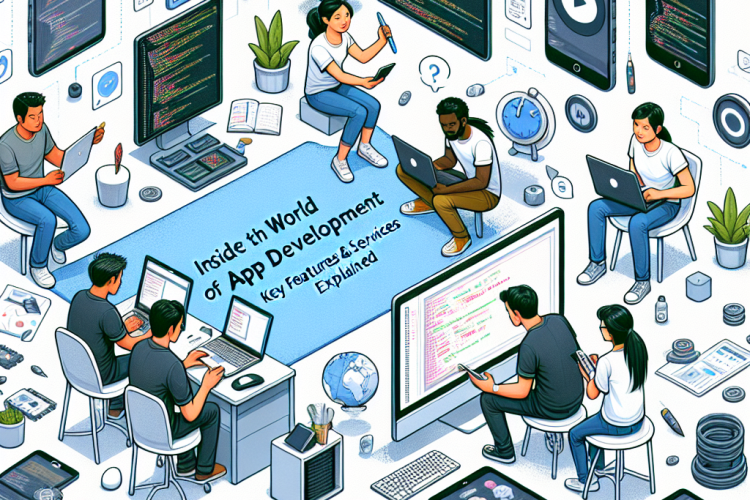
In today’s digital age, mobile applications have become an integral part of our daily lives. From social networking and instant messaging to banking and food delivery services, apps are omnipresent. The development of these applications involves a multifaceted process that combines creativity, technical expertise, and a deep understanding of user needs. This article delves into the world of app development, uncovering key features and services involved in creating a successful mobile application.
Understanding App Development
App development is the process of creating software applications that run on mobile devices. The process encompasses multiple stages, from ideation and design to coding, testing, and deployment. Developers use various tools, languages, and frameworks tailored to the specific requirements of the platform being targeted, such as iOS or Android.
Platforms and Languages
Choosing the right platform and language is crucial. iOS apps are typically developed using Swift or Objective-C, while Android apps usually utilize Java or Kotlin. Cross-platform solutions, such as React Native and Flutter, enable developers to write code once and deploy it across multiple platforms, reducing time and cost.
Development Process
The development process generally involves several phases:
- Planning: Define the app’s purpose, target audience, and key functionalities.
- Design: Create wireframes and prototypes to visualize the app’s user experience and interface.
- Coding: Implement the design using the chosen programming language and framework.
- Testing: Conduct thorough testing to identify and fix bugs and ensure smooth performance.
- Deployment: Publish the app on relevant app stores and monitor its performance.
Key Features of Successful Apps
Successful apps share common features that enhance user experience and engagement. These include:
User-Friendly Interface
A clean, intuitive, and responsive user interface is essential for retaining users. Simplicity and ease of navigation help users interact with the app effortlessly.
Performance and Speed
Apps must be optimized for performance and speed. Users expect quick load times and seamless transitions. Poor performance can lead to high uninstallation rates.
Security
With increasing concerns over data privacy, security features like encryption, secure authentication, and data protection are critical.
Offline Capabilities
Providing offline access to certain features can enhance user satisfaction, especially in areas with limited connectivity.
Personalization
Personalization features, such as user-specific content and recommendations, can boost user engagement and loyalty.
App Development Services
App development is not just about writing code. It involves a range of services that cater to different aspects of the app’s lifecycle.
Consulting
Consulting services help businesses define their app’s roadmap, aligning with their strategic goals. Experts guide on market research, competitor analysis, and technology choices.
Design and Prototyping
Design services focus on creating visually appealing and functional designs. Prototyping tools showcase the look and feel before actual development begins.
Custom Development
Custom development tailors the app to specific needs and requirements, ensuring uniqueness and a competitive edge.
Quality Assurance
Quality assurance services ensure that the app meets the highest standards through rigorous testing of functionality, usability, and performance.
Maintenance and Support
Post-launch, apps require regular updates, bug fixes, and enhancements to remain competitive and secure. Ongoing support ensures the app adapts to changing user needs and technological advancements.
Technologies Shaping App Development
Advancements in technology continue to transform app development, introducing new opportunities and challenges.
Artificial Intelligence (AI)
AI enhances app capabilities by enabling features like chatbots, voice recognition, and predictive analytics, creating more personalized and efficient user experiences.
Augmented Reality (AR) and Virtual Reality (VR)
AR and VR technologies are revolutionizing industries such as gaming, retail, and real estate, offering immersive experiences and interactive interfaces.
Blockchain
Blockchain is increasingly being used for secure transactions and data management, enhancing transparency and trust.
Internet of Things (IoT)
IoT integrates physical devices with apps, enabling functionalities like remote control and data monitoring for smart homes and industries.
Challenges in App Development
Developing a successful app is not without challenges. Considerations include:
Device Fragmentation
The wide array of devices and operating systems makes it challenging to ensure consistency and compatibility across platforms.
User Expectations
User expectations continue to rise, demanding innovative features and seamless experiences. Developers must stay ahead of trends to meet these demands.
Security Risks
Security remains a major concern, with apps vulnerable to cyber threats. Ensuring robust security measures is crucial.
Monetization
Monetizing apps while maintaining a positive user experience can be challenging. Balancing ads, in-app purchases, and subscriptions requires strategic planning.
Future Trends in App Development
The future of app development is shaped by emerging technologies and evolving user needs. Key trends include:
5G Technology
5G promises faster connectivity and real-time data exchange, opening new possibilities for app functionalities and services.
Wearable Apps
The growth of wearable technology presents opportunities for apps designed for smartwatches, fitness trackers, and more, focusing on health and convenience.
Edge Computing
Edge computing brings processing closer to the data source, reducing latency and improving app performance, particularly for IoT applications.
Conclusion
App development is a dynamic field driven by technological advancements and user expectations. Creating a successful app requires careful planning, innovative features, and a deep understanding of user needs. From design and development to testing and deployment, every stage plays a crucial role in the app’s lifecycle. With emerging technologies like AI, AR, and 5G, the future of app development holds immense potential for innovation and growth. Developers and businesses must continually adapt to these changes, ensuring their apps remain relevant, secure, and user-friendly.


0 Comments