
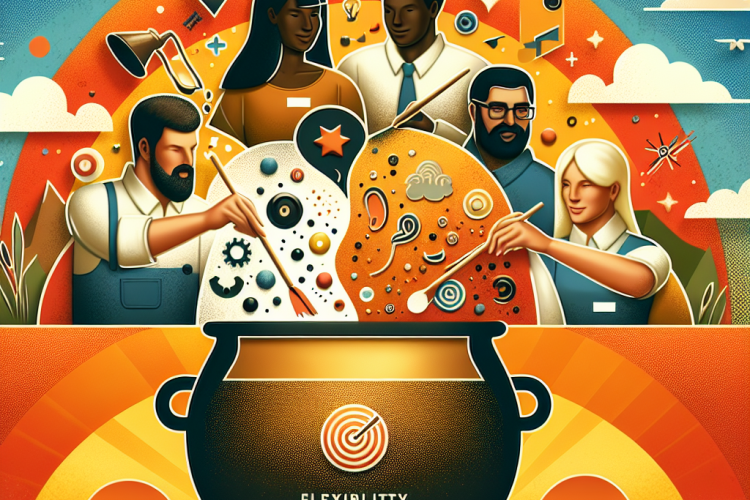
In today’s ever-evolving landscape, both personal and professional growth are contingent on our ability to adapt. For educators, employees, managers, content creators, and business owners, the ability to embrace change and modify our strategies is not just advantageous; it’s essential. This article explores various ideas and strategies for maintaining flexibility and adaptability in different aspects of life and work.
The Importance of Flexibility in Education
The educational landscape is changing rapidly, influenced by technology, societal shifts, and varying student needs. Flexibility in education isn’t merely a benefit; it’s a necessity.
Adapting Teaching Methods
Educators are encouraged to embrace different teaching methodologies that cater to diverse learning styles. Some effective strategies include:
- Blended Learning: Combining traditional classroom teaching with online components can engage students more effectively.
- Project-Based Learning: This approach allows students to explore real-world problems, encouraging critical thinking and creativity.
- Flipped Classroom: Students learn the content at home through videos or readings and come to class ready to engage in active discussions.
Moreover, teachers must be willing to modify lesson plans based on student feedback and performance. The best educators are those who continuously assess and refine their methods.
Catering to Individual Needs
Every student is unique, with different learning paces and styles. By offering various resources—such as audio-visual materials, hands-on activities, and supportive mentorship—educators can provide a more personalized learning experience. This adaptability not only enhances student engagement but also promotes a positive learning environment.
Flexibility in the Workplace
Organizations that encourage a flexible work culture often see higher employee satisfaction and productivity. Flexibility can manifest in several forms, including hybrid work models, flexible hours, and open communication channels.
Implementing Hybrid Work Models
The pandemic has changed the workplace forever, with many companies opting for hybrid models. Here are some advantages of this approach:
- Work-Life Balance: Employees who can choose where to work often report better work-life balance, leading to increased productivity and reduced stress levels.
- Diverse Talent Pool: Companies can hire talent from different geographical areas, increasing diversity within the team.
- Cost Reduction: Reduced need for office space can lead to significant cost savings for both employees and employers.
Fostering Open Communication
Creating an environment where employees feel free to communicate openly with management fosters trust and innovation. This can be achieved through:
- Feedback Loops: Regularly soliciting feedback through surveys or one-on-one meetings can help management gauge employee satisfaction and areas for improvement.
- Transparent Policies: Clear communication about company policies, expectations, and future developments promotes a culture of trust.
Creativity in Content Creation
The world of content creation is dynamic, demanding constant innovation and adaptation. Whether you’re a blogger, YouTuber, or graphic designer, flexibility is key to staying relevant.
Experimenting with Formats
Content creators should feel empowered to experiment with various formats and platforms. Some ideas include:
- Video Content: Engaging video content can often reach a wider audience than written articles.
- Podcasts: Offering content in audio format caters to busy individuals who prefer listening over reading.
- Interactive Content: Polls, quizzes, and interactive infographics can enhance user engagement and participation.
Collaborations and Partnerships
Collaborating with other creators or brands can broaden your audience and provide fresh perspectives. Partnerships can lead to:
- Broader Reach: Sharing audiences can exponentially increase visibility.
- Skill Sharing: Collaborating allows creators to learn from each other’s strengths and improve their content.
Embracing Flexibility in Personal Life
Flexibility is not just essential in education and the workplace; it’s equally important in our personal lives. Embracing change and spontaneity can enrich our experiences.
Adapting to Life Changes
Life is unpredictable, and our circumstances can change in a heartbeat. Those who adapt to life changes—be it relocation, relationship status, or family dynamics—often emerge stronger and more resilient.
The Benefits of Spontaneity
Incorporating spontaneity into our routines can invigorate our lives. Here are a few ways to embrace spontaneity:
- Try New Activities: Whether it’s a new hobby, sports, or local cuisine, exploring new activities can lead to exciting experiences.
- Travel: If possible, opt for last-minute trips to new destinations. Traveling opens our minds and can offer fresh perspectives.
The Role of Mindset in Flexibility
Maintaining a flexible mindset is crucial for all aspects of life. Understanding that change is an inevitable part of life can help us adapt more readily to new situations.
Growth Mindset vs. Fixed Mindset
A growth mindset encourages individuals to see challenges as opportunities for growth. This contrasts with a fixed mindset, where individuals may feel threatened by challenges. Embracing a growth mindset leads to:
- Resilience: Acknowledging that failure is part of the learning process fosters greater resilience.
- Continuous Learning: Those with a growth mindset are more likely to seek out new knowledge and skills.
Conclusion
In conclusion, flexibility is a vital attribute for success in today’s multifaceted world. Whether in education, the workplace, content creation, or personal life, the ability to adapt and modify our approaches can lead to rich and fulfilling experiences. Embracing change doesn’t only open doors to new opportunities; it cultivates resilience, innovation, and growth. By fostering an adaptable mindset and remaining open to new ideas, we position ourselves to thrive amidst the complexities of modern life.

0 Comments