

In the rapidly evolving landscape of today’s digital world, businesses are often under immense pressure to provide innovative solutions swiftly. Minimum Viable Product (MVP) development is a strategy that has emerged to address this need, allowing firms to quickly test and validate product concepts. Industry experts emphasize that fine-tuning the MVP process is crucial for maximizing impact. Here, seasoned MVP developers share insights and strategies for achieving remarkable results.
Understanding the MVP Concept
The concept of an MVP might seem straightforward, but its execution often presents nuanced challenges. The primary goal of an MVP is to introduce a product to the market with minimal features necessary to satisfy early adopters, while laying the groundwork for subsequent iterations. The key is to strike a balance between cost-efficient development and user satisfaction. This balancing act requires an in-depth understanding of both the product and the target audience.
The Core Principles of MVP
Experts delineate several core principles inherent to successful MVP development:
- Focus on Core Features: Start by identifying the core value of the product and ensure the MVP delivers this essential functionality. Avoid feature creep which can bloat development time and obscure the primary offering.
- User-Centric Design: An MVP must reflect a deep understanding of prospective user needs and pain points. Employ user testing, surveys, and interviews during the initial phase to gather insights.
- Iterative Development: Adopt agile methodologies to facilitate rapid iterations. Collect feedback early and often, allowing the product to evolve based on real-world usage data.
Building the Foundation: The Development Phase
Once the MVP concept is well-defined, the development phase begins. This is where many projects encounter hurdles, often due to underestimating the complexities involved. Our experts shed light on strategies to streamline development:
Prioritize Agile Practices
Agile development plays a pivotal role in MVP creation. By incorporating incremental updates and iterative cycles, teams can adjust and refine products in response to user feedback effectively. This flexibility builds resilience against unforeseen challenges and keeps the project aligned with user needs.
Utilize Cross-Functional Teams
Creating an MVP is a collaborative effort that benefits from diverse perspectives. Assemble a cross-functional team comprising designers, developers, marketers, and analysts. This diversity fosters a holistic approach to problem-solving and ensures all elements of the product are aligned with business objectives.
Leverage Existing Technologies
To accelerate development, don’t hesitate to utilize existing technologies. Open-source platforms, APIs, and third-party services can significantly reduce coding time and resource expenditure while maintaining quality.
Validation and Testing: Ensure Market Fit
After the MVP is developed, it must be rigorously tested to ensure it resonates with the target audience. Validating an MVP effectively is a decisive step that determines whether further development will continue.
User Feedback and Engagement
Once deployed, actively engage with users to gather qualitative and quantitative feedback. Utilize A/B testing, usability tests, and user journey mapping to unearth valuable insights. Experts emphasize creating a loop of continuous feedback and iteration, ensuring that the product evolves according to market demands.
Analyze Market Trends and Competitors
Remain abreast of market trends and competitors’ developments. This awareness allows for strategic adjustments that can enhance product-market fit. Position your MVP not just as a solution, but a distinct offering that addresses unmet needs or improves on existing solutions.
Iterating for Success: The Post-Launch Pathway
The launch of an MVP is not the end of development; rather, it’s the beginning of a continuous journey of iteration and improvement. Experts suggest methodologies for this crucial phase:
Roadmap Development
Develop a clear product roadmap that outlines future enhancements based on initial user feedback and strategic business objectives. This should include short-term and long-term goals, with flexibility built in to adapt to new insights.
Integration of Advanced Analytics
Incorporate analytics tools to monitor user behavior, product performance, and other key metrics. The use of data analytics provides insights into how users interact with the product, where they encounter difficulties, and what features are most valued.
Scaling and Expansion
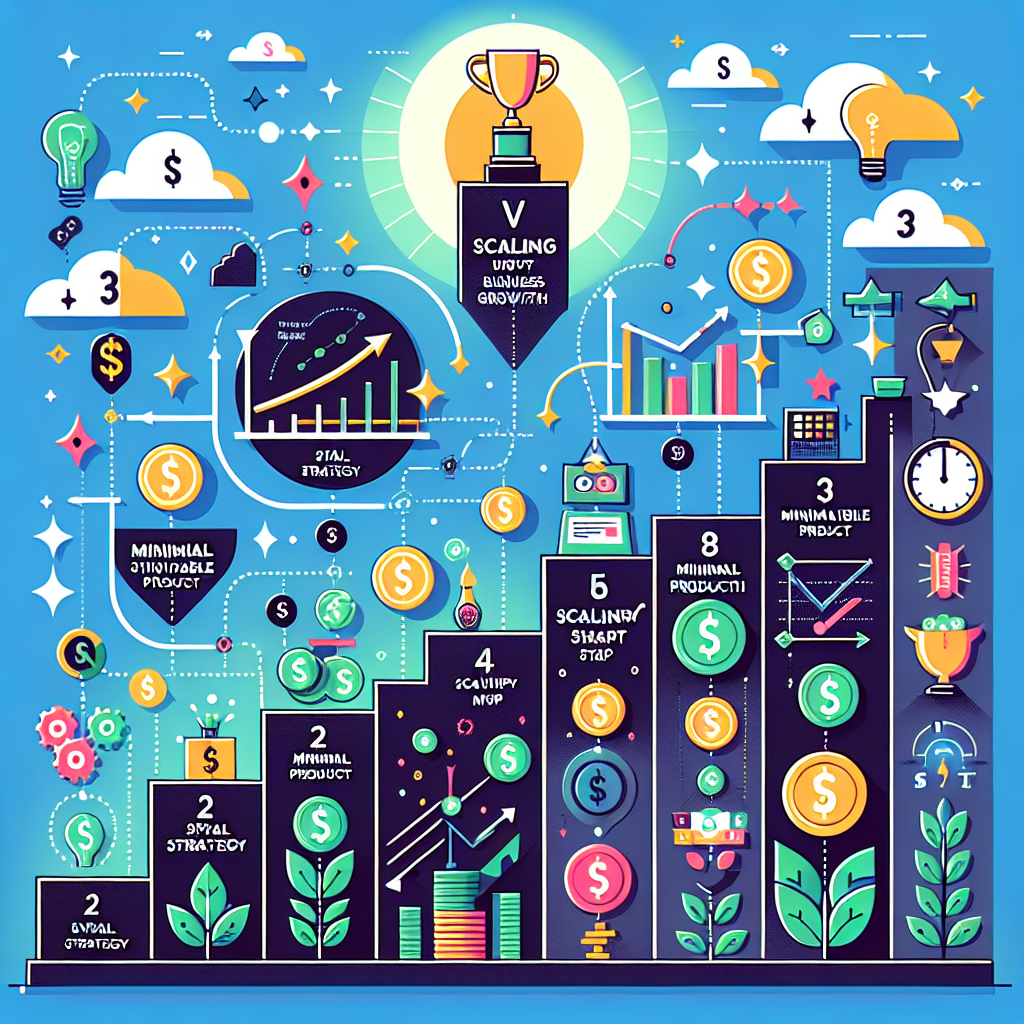
With iterative improvements and a defined understanding of user needs, the next step is scaling the product. Scale cautiously by gradually expanding features, enhancing infrastructure, and exploring new markets while maintaining the core value proposition.
Conclusion
MVP development is a nuanced, strategic process that requires careful planning, agile implementation, and iterative refinement. By focusing on core features, engaging in robust user testing, and remaining flexible to change, businesses can produce MVPs that not only meet market demands but anticipate them. The secrets shared by MVP experts underscore the importance of a user-centric approach, collaboration, and data-driven decision-making. As the digital landscape continues to evolve, these insights will aid businesses in crafting impactful, sustainable products that resonantly engage with their intended audience.

0 Comments