
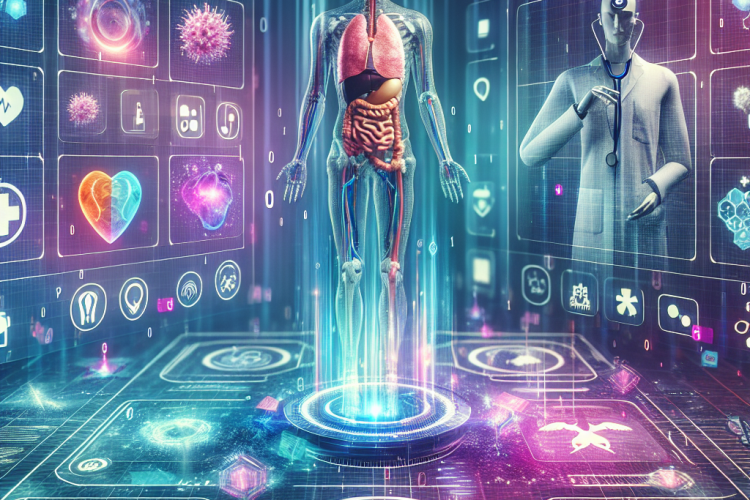
The rapidly evolving field of healthcare technology is significantly impacting how medical services are delivered and experienced. The integration of mobile applications has transformed patient engagement, data management, and overall healthcare administration. This article explores the current trends in healthcare app development and anticipates the future direction of this innovative sector.
1. Telehealth Integration
Telehealth has surged in popularity, especially following the COVID-19 pandemic. Patients now expect the convenience of accessing healthcare services from their homes. Future app development trends will likely focus on enhancing telehealth features, leading to:
- Improved user interfaces for better patient experiences.
- Secure video conferencing tools that comply with healthcare regulations.
- Integration with wearable devices for real-time health monitoring.
2. Artificial Intelligence (AI) and Machine Learning (ML)
AI and ML technologies are increasingly used to analyze vast amounts of data, improving diagnostics and patient outcomes. In app development, we can expect:
- Predictive analytics to identify potential health issues before they become critical.
- Personalized treatment plans based on patient history and behavior.
- Enhanced chatbots for 24/7 patient support and information dissemination.
3. Increased Focus on Data Security
As healthcare apps collect sensitive information, data security has become a paramount concern. App developers will need to prioritize:
- Advanced encryption methods to protect patient data.
- Regular security audits to identify and fix vulnerabilities.
- User education regarding data privacy practices.
4. Interoperability
Integrating different healthcare systems for seamless data exchange is crucial for improving patient care. Future developments will emphasize:
- Building apps that can communicate with various electronic health records (EHR) systems.
- Standardizing data formats for easier sharing between healthcare providers.
- Enhancing APIs to facilitate better integration with third-party services.
5. Remote Patient Monitoring
With the rise of chronic diseases, remote patient monitoring (RPM) is becoming essential. App developers will likely focus on:
- Creating user-friendly interfaces for patients to track their health metrics.
- Integrating IoT devices to automate data collection and reporting.
- Providing actionable insights to healthcare providers from RPM data.
Conclusion
The future of healthcare app development is poised for innovation, driven by trends in technology, patient needs, and regulatory requirements. By prioritizing telehealth, AI, data security, interoperability, and remote monitoring, app developers will not only enhance healthcare delivery but also improve patient outcomes significantly.


0 Comments