
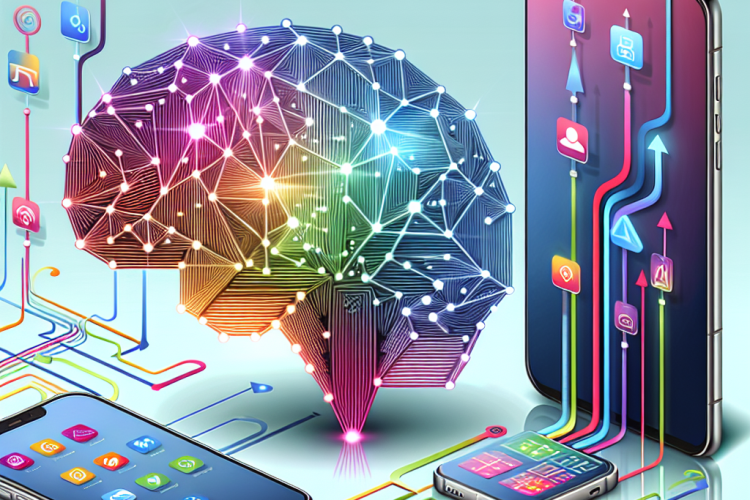
The proliferation of mobile apps in the digital age is unmistakable, transforming how individuals interact with technology daily. The intersection of artificial intelligence (AI) and mobile applications symbolizes a significant leap in the endeavor to create a seamless user experience. As users increasingly demand personalized and intuitive interfaces, the role of AI becomes even more pronounced in mobile app design and functionality.
Understanding AI in Mobile Apps
Artificial intelligence in mobile applications encompasses various technologies designed to simulate human intelligence processes. This includes machine learning, deep learning, natural language processing, and computer vision. By embedding these technologies into mobile applications, developers can create apps that not only perform tasks autonomously but also adapt and evolve based on user interaction.
The Role of Machine Learning
Machine learning stands at the forefront of AI technologies integrated into mobile applications. It equips apps with the ability to learn from user activity and improve over time without being explicitly programmed. For instance, recommendation engines fuelled by machine learning algorithms analyze user behavior and preferences to suggest content that aligns with their interest.
Natural Language Processing and Voice Assistants
Natural Language Processing (NLP) is crucial in creating sophisticated mobile applications that can interact with users in natural human language. Voice assistants like Siri and Google Assistant exemplify how NLP allows mobile apps to process and understand spoken language, facilitating hands-free operation and enhancing accessibility.
Case Studies: Successful AI Implementation
Several mobile applications have successfully integrated AI, demonstrating its potential and functionality in real-world scenarios.
Spotify: AI-Driven Music Recommendations
Spotify uses AI to analyze listening habits, creating dynamic playlists and recommending tracks that match personal tastes. This personalized experience is driven by advanced algorithms that process millions of data points, offering users new music options that align with their preferences.
Uber and Efficient Routing
Uber employs AI algorithms to optimize driving routes and predict demand across city locations. Through machine learning, Uber identifies patterns in rider location requests and can promptly adjust its driver dispatch system, reducing wait times and maximizing driver efficiency.
Challenges in Integrating AI into Mobile Apps
While AI presents numerous opportunities for enhancing mobile apps, its implementation is not without challenges.
Data Privacy and Security
With AI applications heavily reliant on user data, ensuring data privacy and security is a fundamental concern. Mobile applications must comply with regulations like GDPR and ensure robust data encryption to protect user information from breaches.
Algorithmic Bias
Bias in AI algorithms can lead to unintended discrimination if not properly managed. This can skew app behavior based on incomplete or biased datasets, which poses ethical and operational risks. Ensuring fairness and accuracy in AI-driven decisions is crucial for maintaining user trust.
The Future of AI in Mobile Applications
The future of AI in mobile apps is rife with possibilities, driven by continuous advancements in technology and infrastructure.
Augmented Reality and AI
Combining AI with augmented reality (AR) can enhance mobile experiences significantly, creating interactive and intuitive interfaces. AI’s ability to identify and process real-time data can make AR apps more responsive and context-aware.
AI for Enhanced Personalization
As AI technology advances, its ability to provide hyper-personalized user experiences will become increasingly sophisticated. Predictive analytics will allow apps to anticipate user needs and preferences with greater accuracy, fostering a more engaging and tailored experience.
AI-Powered Healthcare Apps
AI’s integration into healthcare mobile apps has the potential to transform patient care. From diagnostic tools to personal health assistants, AI can provide users with actionable health insights, streamline communication with medical professionals, and facilitate remote monitoring.
Conclusion
The integration of artificial intelligence into mobile applications is set to redefine how users interact with digital platforms. By delivering personalized, efficient, and intuitive user experiences, AI infuses mobile applications with the intelligence required to adapt to individual needs and predict future demands.
The challenges accompanying AI integration, particularly concerning data privacy and algorithmic bias, necessitate an ethical and responsible approach to AI development. However, as technology evolves, the potential for AI to enhance mobile app capabilities continues to expand, promising a future where intelligent design is the new standard in app development.
In summary, AI’s role in the mobile application landscape is not only significant but transformative. Its ongoing evolution presents opportunities and challenges that will shape the digital ecosystem’s future, making intelligent design an indispensable component of mobile app development.


0 Comments