
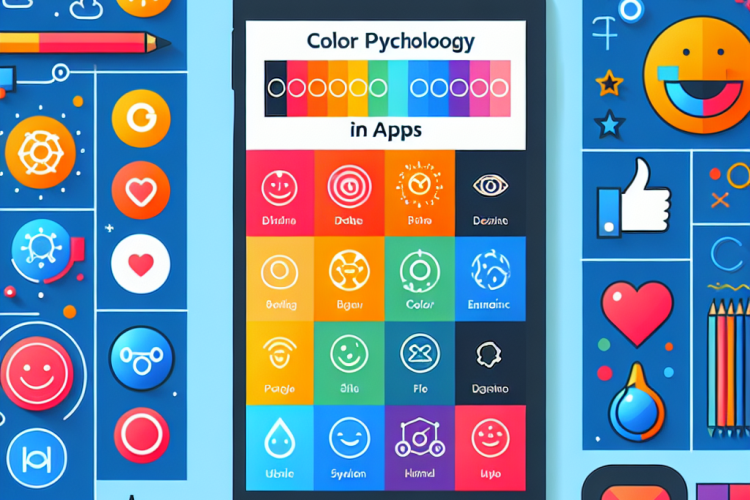
In the digital age, apps are a crucial part of our daily lives. As of 2023, millions of apps are competing
for users’ attention on various platforms. While factors like functionality and usability are essential
for an app’s success, color psychology plays a pivotal role in enhancing user experience. Colors, when
used effectively, can elicit emotions, influence decisions, and significantly impact an app’s usability.
The Science Behind Color Psychology
Color psychology is the study of how colors affect perceptions and behaviors. It is a powerful tool in
design, branding, and marketing. Different colors can evoke different emotions and meanings. For instance,
red may evoke passion and urgency, while blue often conveys trust and calmness.
Research has shown that colors can influence up to 90% of people’s initial impressions about a product.
This makes strategic color selection in apps not only beneficial but imperative for user engagement.
Relating Color Psychology to User Experience
User experience (UX) encompasses all aspects of the end-users’ interaction with the company, its services,
and its products. A significant aspect of UX is visual appeal, where color choice becomes critical. Colors
can help guide users, highlight actions, and create a visual hierarchy that enhances navigability.
By leveraging color psychology, app designers can create more intuitive and emotionally resonant experiences.
Designers often employ a mix of primary, secondary, and accent colors strategically to direct attention and
facilitate seamless interaction.
Impact of Specific Colors in Apps
Red: The Color of Attention
Red is a powerful and attention-grabbing color. In apps, it is best used sparingly to avoid overwhelming users.
It is effective for call-to-action buttons, notifications, and alerts. Red can motivate users to take action
due to its association with urgency.
Blue: Fostering Trust and Reliability
Blue is one of the most popular colors in app design due to its association with trust, reliability, and calmness.
It is extensively used in applications related to finance, health, and technology. Blue can create a soothing
environment, encouraging users to explore the app content more comfortably.
Green: The Color of Growth and Balance
Green denotes nature, growth, and harmony. It is commonly used in health, wellness, and environmental applications.
The color is ideal for promoting peacefulness and balance, making it suitable for meditation and relaxation apps.
Yellow: Stimulating Optimism and Positivity
Yellow is associated with happiness, optimism, and energy. It can be utilized in entertainment and children’s apps
to create a playful and inviting atmosphere. However, excessive use of yellow can cause fatigue; hence, it should
be balanced with cooler tones.
Purple: Evoking Luxury and Imagination
Purple signifies luxury, creativity, and imagination. It is often used in apps related to art, fashion, and
innovation. Purple can lend a sense of sophistication and exclusivity when applied thoughtfully.
Black and White: An Eternal Classic
Black and white palettes are timeless and bring a sense of elegance and simplicity. While black can evoke
mystery and power, white symbolizes cleanliness and minimalism. Together, they create a balanced, modern aesthetic
often used in professional and high-end apps.
Techniques for Implementing Color Psychology
To effectively use color psychology in apps, designers should consider the following techniques:
-
User Research: Understanding the target audience and their cultural perceptions of color
can guide effective color choices. -
Consistent Branding: Align colors with the brand identity to create a cohesive and
recognizable experience. -
A/B Testing: Experiment with different color schemes to find the most effective
combination for engagement and conversion. -
Color Contrast: Ensure enough contrast between text and background to maintain
readability and accessibility.
Case Studies
Case Study 1: Facebook
Facebook’s primary color is blue, which aligns with their values of trust and accessibility. The consistent
use of blue helps create a calm and familiar environment, encouraging prolonged interaction with the app.
Case Study 2: Candy Crush
Candy Crush employs vibrant, playful colors, particularly yellows and pinks, to evoke excitement and fun.
This color palette is instrumental in attracting and retaining users, especially within the gaming sector.
Conclusion
As technology evolves, the competition for user attention continues to intensify. Colors remain a crucial
part of app design, with the power to transform user experience significantly. By understanding and
leveraging color psychology, app designers can create engaging, emotionally resonant interfaces that
captivate users and fulfill business goals. The strategic use of color not only helps in creating an
aesthetically pleasing interface but also assists in guiding user interaction, boosting satisfaction,
and fostering brand loyalty.


0 Comments