
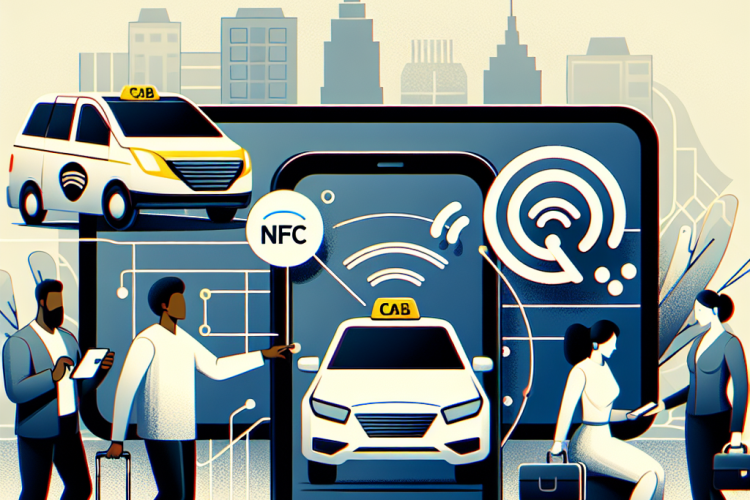
In the fast-paced world of technology, seamless integration of payment solutions in cab applications has become a critical aspect of providing a hassle-free user experience. With the proliferation of smartphones and internet connectivity, users demand more from their ride-hailing services, expecting them to offer not just transportation, but also a streamlined payment process. This article explores the significance, challenges, and benefits of integrating payment solutions into cab apps, examining how this integration shapes modern transportation.
The Evolution of Cab Applications
Cab applications have transformed the way people commute. From traditional taxi services, the industry has evolved into a digital powerhouse with the advent of apps like Uber and Lyft, which emphasize convenience and accessibility. This transition has brought forth the necessity of incorporating robust payment systems to enhance the user experience.
Significance of Seamless Payment Integration
A seamless payment integration is crucial for the success of cab applications. It ensures that the payment process is swift, secure, and simple, reducing any friction during transactions. This not only enhances user satisfaction but also encourages repeat usage and loyalty.
Key Aspects of Payment Solutions in Cab Apps
1. Security and Compliance
Security is paramount when integrating payment solutions. Ensuring that transactions are secure involves implementing encryption, tokenization, and compliance with standards such as PCI DSS (Payment Card Industry Data Security Standard). This reduces the risk of fraud and instills confidence in users.
2. Multiple Payment Options
Offering multiple payment options is essential to cater to a diverse user base. Credit and debit cards, digital wallets like PayPal and Google Pay, and even cryptocurrencies can be included to give users flexibility and choice.
3. User-Friendly Interface
A user-friendly interface that simplifies the payment process is key. Intuitive design elements, clear instructions, and the ability to save payment details for future rides enhance the user experience significantly.
4. Seamless Integration
Payment solutions should be seamlessly integrated with the app’s architecture. This involves collaboration with third-party payment gateways, ensuring smooth communication between the app and payment processors.
Challenges in Integrating Payment Solutions
1. Technical Complexity
Integrating payment solutions involves navigating technical complexities, including API integration, data synchronization, and testing across different platforms. The need for robust technical infrastructure cannot be overstated.
2. Regulatory Compliance
Different regions have varying regulatory requirements for payment processing. Ensuring compliance with these regulations, such as GDPR in Europe or CCPA in California, adds another layer of complexity.
3. Cybersecurity Threats
The growing sophistication of cyber threats poses a significant challenge. Implementing advanced security measures and staying updated with the latest cybersecurity practices are essential to safeguarding user information.
Benefits of Seamless Payment Integration
1. Enhanced User Experience
A streamlined payment process enhances the overall user experience, leading to increased customer satisfaction and loyalty. Users appreciate the convenience of quick, secure transactions.
2. Increased Revenue
By offering multiple payment options and a frictionless experience, cab apps can attract more users, ultimately boosting revenue. Happy customers are more likely to use the service frequently, contributing to a steady revenue stream.
3. Competitive Advantage
In the competitive world of ride-hailing services, offering seamless payment solutions can set an app apart from its competitors. This differentiation can attract more users and increase market share.
Technologies Enabling Seamless Payment Integration
1. API Integration
Application Programming Interfaces (APIs) play a critical role in integrating payment solutions. APIs enable communication between the cab app and payment processors, facilitating transactions securely and efficiently.
2. Tokenization
Tokenization replaces sensitive payment information with unique identifiers, enhancing security during transactions. This technology mitigates the risk of data breaches and assures users of transaction safety.
3. Blockchain
The decentralization and security features of blockchain technology offer potential in refining payment systems. Blockchain’s transparency and immutability can be an asset in ensuring secure, tamper-proof transactions.
Future Trends in Payment Solutions for Cab Apps
1. Biometric Payments
The use of biometric authentication, such as fingerprint and facial recognition, offers heightened security and convenience. This trend is likely to grow, making transactions even more seamless.
2. Integration with IoT
The Internet of Things (IoT) can facilitate payment processes by connecting devices, such as smart meters in taxis, directly with payment gateways, automating fare calculation and payment.
3. AI and Machine Learning
AI and machine learning can enhance payment systems by analyzing transaction data to predict user preferences and detect fraudulent activities in real time, making payment systems more efficient and secure.
Steps to Implement Seamless Payment Integration
1. Assess Business Needs
Understanding the specific needs of your business is the first step. Conducting thorough research to identify the most suitable payment solutions that align with your business model is crucial.
2. Choose the Right Payment Processor
Selecting a reliable payment processor that offers robust features, excellent customer support, and compatible integration options will lay a solid foundation for seamless payments.
3. Develop a User-Centric Interface
The design and functionality of the payment interface should be prioritized to ensure it is intuitive and user-friendly, enhancing the overall experience for users.
4. Ensure Security and Compliance
Implementing stringent security measures and ensuring compliance with relevant regulations is essential to protect user data and build trust.
Real-World Examples
1. Uber’s Payment System
Uber revolutionized the payment experience by offering automated payments through saved card details and integrating multiple payment systems, including digital wallets and local payment methods.
2. Lyft’s Express Pay
Lyft introduced Express Pay, allowing drivers to cash out their earnings instantly using a debit card. This feature enhances driver satisfaction, emphasizing the importance of seamless payments for all stakeholders involved.
Conclusion
Integrating seamless payment solutions in cab app development is no longer a luxury but a necessity. It enhances user experience, drives revenue, and provides a competitive edge. Despite the challenges involved, advancements in technology, such as AI and blockchain, are paving the way for more secure and efficient payment systems. As the industry continues to evolve, embracing these innovations will be key to staying ahead in the competitive ride-hailing market.



0 Comments