
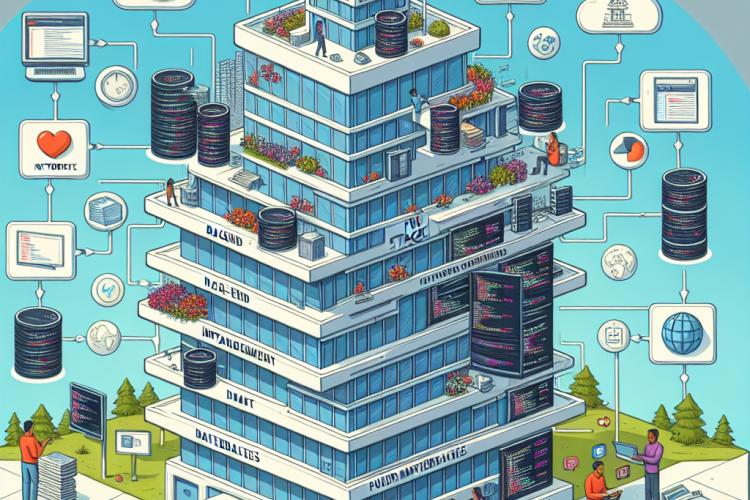
In the world of software development, the term “full-stack development” has become increasingly popular. But what does it mean, and why is it significant for your next app? This article will break down the concept of full-stack development and its implications for application development.
Understanding Full-Stack Development
Full-stack development refers to the practice of working on both the front-end and back-end of a web application. A full-stack developer possesses a diverse set of skills that allow them to handle the complete architecture of an app, from user interface to server management.
Front-End Development
The front-end is what users see and interact with directly. It includes everything that happens in the browser. Key technologies involved in front-end development include:
- HTML: The backbone of web pages, providing structure.
- CSS: Used for styling and layout, creating an appealing visual experience.
- JavaScript: Provides dynamic functionality and interactivity.
- Frameworks: Libraries like React, Angular, and Vue.js streamline front-end development.
Back-End Development
The back-end is where the business logic and database interactions occur. This part of the application is not visible to users and is essential for data processing and storage. Key technologies include:
- Server-side languages: Such as Node.js, Python, Ruby, or PHP.
- Databases: Systems like MySQL, PostgreSQL, or MongoDB for data storage and retrieval.
- APIs: Allowing the front-end to communicate with the back-end for data exchange.
The Advantages of Full-Stack Development
Opting for full-stack development can provide numerous advantages for your next app:
- Cost Efficiency: Hiring a full-stack developer can be more economical than hiring specialists for both front-end and back-end.
- Faster Development Time: A full-stack developer can seamlessly move between both ends, resulting in quicker iterations and problem-solving.
- Improved Collaboration: As full-stack developers understand both ends, they can work better with teams, bridging gaps between front-end and back-end developers.
- Holistic Understanding: They have a comprehensive understanding of how the entire system operates, which leads to better architectural decisions.
Considerations for Your Next App
When planning your next app, consider the following:
- What functionalities do you need on both front-end and back-end?
- What are your budgetary constraints?
- Do you foresee the need for rapid feature iterations?
- What complexity does your application require?
Conclusion
Full-stack development offers a powerful approach to building modern applications, giving you the flexibility to adapt and grow. Whether you decide to hire a full-stack developer or create a team with specialists, understanding this concept will help you make informed decisions for your next app project.



0 Comments