
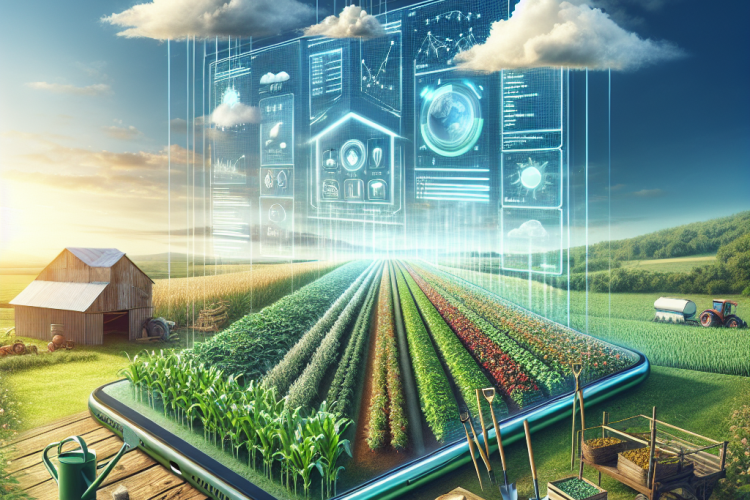
The agriculture sector, one of the fundamental engines of global economic development, has seen a radical transformation in recent years. The advent of technology has ushered in a new era of farming that hinges on precise and efficient methodologies. Among these technological innovations are agriculture apps that offer a digital companion for modern farmers. These apps bring a myriad of benefits, embedding technology deeply into the soil of traditional farming.
Enhancing Efficiency with Real-Time Data
One of the standout features of agriculture apps is their ability to provide real-time data to farmers. From weather forecasts to soil health, these apps allow farmers to make informed decisions swiftly. With accurate data on hand, farmers can plan their planting seasons, manage irrigation schedules, and anticipate weather-related disruptions, ultimately leading to more efficient agricultural practice. This not only boosts productivity but also conserves resources by optimizing input use.
Precision Farming
Agriculture apps are pivotal in the implementation of precision farming methods. They enable farmers to apply the right amount of inputs such as water, fertilizers, and pesticides, where and when needed. This precision approach minimizes waste and environmental impact while maximizing yield. The apps often come equipped with GPS technology and satellite imagery, allowing for detailed mapping and monitoring of farm activities.
Market Access and Product Diversification
These apps also bridge the gap between farmers and the market. By providing information on market prices, demand forecasts, and consumer trends, agriculture apps empower farmers to strategically position their products in the market. This data-driven approach encourages diversification, helping farmers to explore new crops and products, thus enhancing their economic sustainability.
Supply Chain Management
Farming is just one link in the long agricultural supply chain. Efficient management from farm to table is crucial for reducing losses and increasing profitability. Agriculture apps facilitate supply chain management by offering tools for inventory tracking, logistics planning, and transaction handling. This connectivity improves coordination and communication among various stakeholders, ensuring a timely and transparent movement of goods.
Risk Mitigation
Farming is inherently risky due to its dependence on uncontrollable factors such as weather. Agriculture apps aid in risk mitigation by providing risk assessment tools and alert systems. With features like pest and disease forecasts, farmers can take preventive measures to safeguard their crops. Moreover, apps that track climate patterns help farmers brace for adverse weather events, reducing potential crop damage.
Resource Management
Efficient resource management is vital as the world faces the challenge of feeding a growing population. Agriculture apps contribute significantly by helping farmers optimize the use of water and fertilizers. By analyzing historical data and using predictive analytics, these apps ensure that resources are allocated efficiently, thereby increasing sustainability and reducing environmental footprint.
Knowledge Sharing and Community Building
Another major advantage of agriculture apps is the creation of a platform for knowledge sharing and community building among farmers. Online forums and social features within these apps allow farmers to exchange experiences, tips, and best practices. This collective wisdom helps farmers tackle challenges more effectively while fostering a sense of community and collaboration.
Emergence of Smart Farming Technologies
The rise of smart farming technologies, powered by the Internet of Things (IoT) and artificial intelligence (AI), is closely intertwined with agriculture apps. Sensors and IoT devices collect data that apps can analyze in real-time, providing actionable insights. AI algorithms further refine this data, offering predictive analytics that help in making proactive farming decisions.
Conclusion
The digital revolution in agriculture driven by innovative apps has redefined the boundaries of traditional farming. By harnessing real-time data, enabling precision farming, and facilitating efficient supply chain management, these apps enhance the overall productivity and sustainability of agriculture. They empower farmers economically by offering market insights and fostering diversification. Moreover, they aid in risk mitigation and efficient resource management while encouraging knowledge sharing and smart farming practices. As the world continues to face significant challenges in agriculture and food security, the role of agriculture apps will undoubtedly become more pivotal, shaping a future where farming is more connected, efficient, and resilient.



0 Comments