
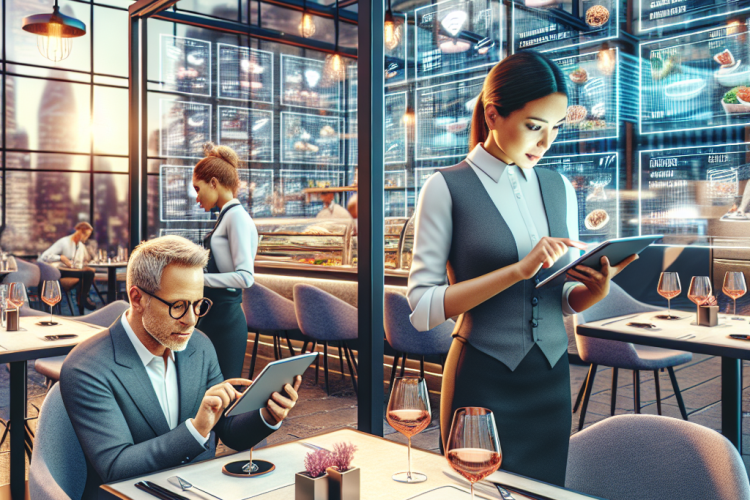
The landscape of the restaurant industry has undergone a significant transformation in recent years, largely driven by digital technology. The introduction of mobile applications has revolutionized how consumers interact with food establishments, offering unprecedented convenience, variety, and efficiency. These digital platforms are not only altering customer experiences but also reshaping operational strategies within the industry. This article explores various facets of how apps are redefining dining experiences and altering the restaurant business model.
The Rise of Online Ordering and Delivery Apps
One of the most notable changes in the restaurant industry is the rise of online ordering and delivery applications. Companies like Uber Eats, DoorDash, and Grubhub have made it exceptionally easy for consumers to enjoy restaurant-quality meals at home. These apps provide a platform for restaurants to reach a vast customer base, without geographical constraints.
The integration of AI and data analytics into these platforms has further enhanced their functionality. Predictive analytics can determine estimated delivery times, and machine learning algorithms personalize user experiences by suggesting restaurants and menu items based on past orders. This level of personalization and convenience is compelling for consumers, leading to a significant increase in adoption rates.
Impact on Restaurant Operations
For restaurants, adapting to digital ordering has become almost imperative. The inclusion of app-based orders can influence key areas of restaurant operations, including menu planning, staffing, and supply chain management. Restaurants must redesign their menus for digital platforms, ensuring that every item is delivery-friendly and optimally priced.
The popularity of delivery apps has also introduced restaurants to “ghost kitchens” or delivery-only spaces that operate without a traditional dine-in area. This model reduces operational costs and allows for a broader array of menu experiments, as businesses pivot toward meeting app-driven demand.
Enhancing Customer Engagement Through Loyalty Programs
Apps have unlocked new potentials for customer engagement with the implementation of loyalty programs. Digital loyalty programs track consumer behavior in ways that punch cards never could. By using apps to gather data on customer preferences and habits, restaurants can create tailored experiences through targeted promotions and rewards.
Starbucks, for example, utilizes its app to provide a highly personalized experience that offers rewards and tracks customer purchases. The Starbucks Rewards program has transformed casual customers into frequent visitors through its user-friendly app interface.
Challenges and Considerations
While the digital transformation of the dining experience presents many opportunities, it also brings several challenges. Restaurants face the necessity of adapting to new technologies and potentially complex integrations with existing systems. Additionally, service fees associated with third-party delivery apps can be steep, impacting profitability.
Data security and privacy remain critical concerns for both consumers and businesses. Ensuring safe transactions and protecting user information from breaches are essential in maintaining consumer trust and engagement.
Changing Consumer Expectations
With the proliferation of digital dining apps, consumer expectations have shifted. There is now an anticipation of greater transparency regarding menu ingredients, pricing, and delivery times. Apps offer consumers the ability to compare extensive restaurant options, driving competition and increasing the necessity for superior service and quality.
This digital trend echoes a larger shift towards convenience culture, where consumers value time-saving methods and platforms that offer quick solutions. As a result, restaurants need to continually innovate to meet dynamic consumer demands and differentiate themselves within a highly competitive market.
The Role of Contactless Technology
The COVID-19 pandemic accelerated the adoption of contactless technology in dining. QR code menus, contactless payment options, and app-based reservations became common practices to ensure safety and comply with health regulations. These technologies have persisted beyond the pandemic as consumers have become accustomed to this level of convenience and hygiene.
Restaurants that seamlessly incorporate contactless technology appeal to a modern clientele that prioritizes safety and efficiency. It also streamlines operations and reduces the need for physical menus and cash handling, contributing to overall sustainability efforts.
AI and Data Analytics in Digital Dining
Artificial intelligence and data analytics are powerful tools in the digital dining ecosystem. They allow restaurants to harness data-driven insights to optimize everything from menu design to marketing strategies. AI algorithms can identify customer trends, allowing restaurants to adapt swiftly to changing preferences.
Machine learning can also enhance the accuracy of demand forecasting, helping restaurants manage their inventories more effectively and reduce food waste. This is not only cost-effective but also aligns with growing consumer awareness of sustainability and environmental impact.
Case Studies: Success Stories in Digital Dining
Several restaurants and chains have successfully integrated apps into their business models, serving as benchmarks for digital dining excellence. Domino’s Pizza, for instance, leveraged their app for an interactive customer journey, including order tracking, easy reordering, and customization options, greatly enhancing user engagement.
Chipotle Mexican Grill embraced a digital-first strategy by offering app-exclusive promotions, which helped drive substantial growth in its digital sales. These success stories highlight the potential for apps to do more than support operations – they can lead to significant business growth and brand loyalty.
Global Influence and Cultural Shifts
Digital dining apps are not just transforming restaurants in technologically advanced countries; they are also influencing emerging markets. In regions with limited access to traditional dining, apps provide a means of accessing a diverse range of cuisines, removing barriers and fostering cultural exchange.
This digital reach also allows restaurants to introduce their offerings to a global audience, enhancing their brand visibility and accessibility. It also encourages culinary diversity and innovation, as businesses cater to an international customer base with varied tastes and preferences.
Conclusion
The advent of digital dining apps has indisputably reshaped the restaurant landscape, introducing both opportunities and challenges. As technology continues to evolve, so too will the ways consumers interact with food services. Restaurants that successfully integrate and adapt to digital platforms stand to benefit from increased efficiency, engagement, and profitability.
However, with these opportunities come responsibilities—ensuring data security, maintaining authenticity, and meeting ever-changing consumer expectations. The future of dining is undeniably digital, and the enduring success of the industry will hinge on how well both technology and culinary passion are blended to create memorable and satisfying dining experiences.



0 Comments