
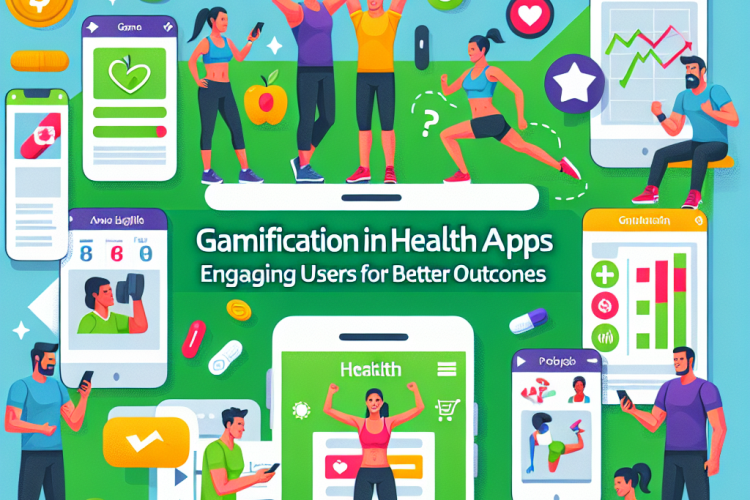
In an age where technology intersects with healthcare, gamification has emerged as a powerful tool to enhance user engagement. By incorporating game-like elements into health applications, developers are not only making healthy habits more enjoyable but also driving better health outcomes.
What is Gamification?
Gamification involves integrating game mechanics into non-game contexts. In health apps, this could mean applying elements such as points, badges, leaderboards, and challenges to motivate users. The primary aim is to encourage regular interaction and adherence to health-related activities.
Benefits of Gamification in Health Apps
- Increased Engagement: Users are more likely to interact with applications that offer rewards and challenges, leading to longer usage durations.
- Behavioral Change: By setting specific goals and providing feedback, users can more easily shift their behaviors towards healthier choices.
- Community Building: Leaderboards and social challenges foster a sense of community and accountability among users.
- Personalization: Gamification allows for customized experiences, making health journeys unique to each user’s preferences and needs.
Examples of Successful Health Gamification
Several health apps have successfully employed gamification strategies:
- MyFitnessPal: This app incorporates daily logging tasks with rewards and achievements that encourage users to maintain a healthy diet.
- Fitbit: With challenges like step competitions among friends and badges for milestones, users stay motivated to achieve their fitness goals.
- Zombies, Run!: This immersive running app turns exercise into an adventure, where users complete missions while jogging.
Challenges to Consider
While gamification offers numerous benefits, there are challenges that developers must navigate:
- Overjustification Effect: Users may become overly reliant on rewards, undermining intrinsic motivation.
- Accessibility: Ensuring that gamified experiences are inclusive and available to diverse user groups is crucial.
- Data Privacy: Safeguarding personal health data while using gamification techniques is essential to build trust.
Conclusion
Gamification in health apps represents a transformative approach to healthcare management. By effectively engaging users through game mechanics, these applications can lead to improved health outcomes and sustained behavior change. As the field continues to evolve, it will be vital for developers to strike a balance between motivation and personalization while keeping user experience at the forefront.
For more information on the use of gamification in health, you can visit Health Affairs.



0 Comments