
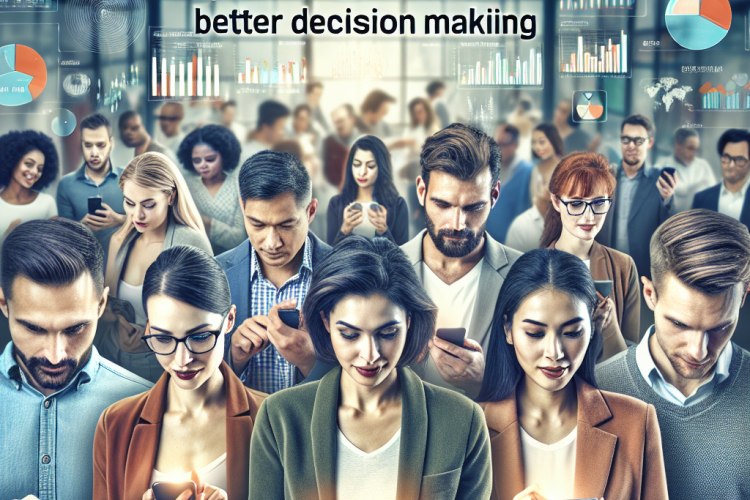
In today’s fast-paced, digitally-driven world, marketers face a formidable challenge: the need to adapt swiftly to ever-evolving consumer behavior and preferences. To stay ahead, businesses must harness data insights that not only enhance decision-making but also drive impactful marketing strategies. Enter app-driven data insights apps—tools that gather, analyze, and interpret data from numerous sources to empower marketers in making informed choices.
Introduction to App-Driven Data Insights
App-driven data insights refer to the capabilities provided by specialized software applications designed to collect and analyze data. These applications tap into various data streams, providing marketers with timely, accurate, and actionable insights. Through the effective use of app-driven analytics, businesses can personalize marketing efforts, optimize campaigns, and ultimately, drive revenue growth.
The Role of Data in Modern Marketing
In the digital age, data is the lifeblood of marketing. Every interaction, from a customer clicking on a website to sharing a post on social media, generates data points that, when analyzed, reveal valuable insights. These insights are crucial in understanding customer preferences, behaviors, and trends.
Marketers can utilize this data to create detailed customer profiles and segment audiences with precision. This level of granularity enables the crafting of targeted messages and offerings that resonate with specific customer groups, improving engagement and conversion rates.
How App-Driven Data Insights Work
App-driven data insights leverage advanced technologies such as artificial intelligence (AI) and machine learning (ML) to sift through vast amounts of data. By integrating with customer relationship management (CRM) systems, marketing platforms, and social media analytics, these apps compile data from various touchpoints.
The process typically involves three stages: data collection, data processing, and data analysis. Each stage plays a crucial role in transforming raw data into meaningful insights.
1. Data Collection
Data collection is the first step, where applications gather information from different sources. This may include website analytics, social media metrics, sales data, and customer feedback. These data points provide a comprehensive view of customer interactions and touchpoints.
2. Data Processing
Once data is collected, it moves to the processing stage. Here, data is cleaned, organized, and structured. This step is crucial to ensure that the information fed into analytical models is accurate and relevant, enabling precise insights.
3. Data Analysis
In the analysis stage, sophisticated algorithms and models are applied to the structured data. Marketers receive insights such as customer preferences, behavior trends, and predictive analytics. These insights can inform strategic decisions and optimize marketing efforts.
Benefits of App-Driven Data Insights for Marketers
The use of app-driven data insights offers myriad benefits to marketers. These advantages accelerate decision-making and drive better outcomes.
Enhanced Customer Understanding
By utilizing data insights apps, marketers gain a deeper understanding of customer needs and preferences. This leads to customer-centric strategies, enhancing satisfaction and loyalty.
Improved Marketing ROI
Precision targeting through data insights increases engagement rates and conversion, leading to a better return on investment (ROI) for marketing campaigns. Resources are allocated more effectively, maximizing impact.
Faster Decision-Making
Real-time data analysis facilitates faster decision-making processes. Marketers can adjust strategies on-the-fly, responding proactively to market changes and customer preferences.
Better Personalization
Data insights enable highly personalized marketing efforts. By understanding individual customer journeys, marketers create personalized experiences, driving customer loyalty and retention.
Challenges in Implementing App-Driven Data Insights
Despite its numerous benefits, implementing app-driven data insights poses several challenges. These need to be addressed to harness the full potential of data-driven marketing.
Data Privacy Concerns
Data privacy is a critical issue, with increasing scrutiny on how customer data is collected and used. Marketers must ensure compliance with data protection regulations like GDPR and CCPA.
Integration Issues
Integrating data insights apps with existing systems can be complex. Ensuring seamless communication between platforms is vital to extract accurate insights and eliminate data silos.
Data Quality and Accuracy
The effectiveness of insights is contingent on data quality. Inaccurate or incomplete data can lead to misguided decisions, emphasizing the need for robust data management practices.
Technologies Behind App-Driven Data Insights
Several technological advancements enable the effectiveness of data-driven insights apps. These innovations are pivotal in providing marketers with powerful analytic tools.
Artificial Intelligence and Machine Learning
AI and ML technologies play a crucial role by automating data analysis processes. Machine learning models identify patterns and predict future trends, offering significant value to marketers.
Big Data and Cloud Computing
The abundance of big data provides the raw material for insights. Coupled with cloud computing, marketers can store and process vast datasets efficiently, overcoming traditional data limitations.
Natural Language Processing
Natural language processing (NLP) enables the analysis of qualitative data, such as social media comments and customer feedback. This provides a nuanced understanding of consumer sentiment and preferences.
Real-World Applications of App-Driven Data Insights
App-driven data insights find practical applications across various industries. Companies leverage these tools to improve marketing efforts and drive business success.
Retail and E-commerce
In retail, data insights help optimize inventory management and personalize customer experiences, leading to improved sales and customer satisfaction.
Finance and Banking
Banks and financial institutions use data analytics to understand customer spending habits, personalize offers, and prevent fraud, enhancing customer trust and retention.
Healthcare
In healthcare, insights from data apps improve patient engagement strategies, enhance service delivery, and ensure better health outcomes.
The Future of App-Driven Data Insights in Marketing
Looking ahead, app-driven data insights will continue to evolve, offering even more sophisticated capabilities. The future holds exciting possibilities for marketers willing to embrace these technologies.
Integration with IoT
The integration of Internet of Things (IoT) devices will provide additional data streams, amplifying insights and offering new dimensions to customer understanding.
Advanced Predictive Analytics
Future advancements in predictive analytics will enhance anticipation of consumer behavior, allowing marketers to stay ahead of trends and customer needs.
Ethical AI in Marketing
The emphasis on ethical AI will ensure that data insights are not only accurate but also gathered and used responsibly, building trust with consumers.
Conclusion
In conclusion, app-driven data insights are transforming the marketing landscape by providing businesses with the tools needed to make smarter decisions. By leveraging these insights, marketers can create more effective and personalized strategies, improving engagement and driving growth. While challenges exist, particularly around privacy and integration, the potential benefits make it a worthwhile investment. As technology continues to advance, so too will the capabilities of app-driven data insights, offering exciting opportunities for marketers to innovate and thrive in the future.



0 Comments