
Introduction
In the evolving landscape of digital solutions, businesses and developers are increasingly seeking to extend the reach of their web applications to mobile platforms. Django, a high-level Python web framework, is renowned for its ability to create robust web applications. However, offering a seamless mobile experience is crucial as users demand apps tailored for mobile devices. This article explores the strategies and tools available for converting Django web applications into fully-fledged mobile apps.
Understanding the Need for Mobile Apps
As mobile usage continues to outpace desktops, the responsiveness and functionality of web applications on mobile devices have become paramount. Native mobile apps provide a more engaging and efficient user experience, leveraging device-specific features like camera, GPS, and push notifications. For businesses with existing Django web applications, expanding into the mobile realm can enhance user engagement and accessibility.
Approaches to Mobile App Development from Django
1. Responsive Web Design
Responsive design ensures that a web application adjusts seamlessly to different screen sizes and orientations. This approach is often a first step in catering to mobile users, but it may not fully capitalize on the device’s capabilities or offer the same performance and offline functionality expected of native apps.
2. Progressive Web Apps (PWAs)
PWAs offer a middle ground, allowing web apps to function similarly to native apps. Utilizing HTML5, service workers, and web manifests, PWAs enable offline use, push notifications, and home screen installation. Django applications can be enhanced with PWA functionalities without necessitating major overhauls.
3. Hybrid Mobile Apps
Hybrid apps utilize frameworks such as React Native or Ionic to wrap web applications in a native container. This allows the same codebase to target multiple platforms, albeit with some performance trade-offs compared to fully native apps.
4. Native Mobile Apps
Native apps are developed specifically for each mobile platform (iOS and Android), often leading to superior performance and user experience. Django’s REST framework can expose APIs that these native apps can consume, ensuring integration with existing web functionalities.
Implementing Django APIs for Mobile Integration
Transitioning a Django application to support mobile development often involves creating RESTful APIs. Django Rest Framework (DRF) is a powerful toolkit for building web APIs. By exposing back-end services through APIs, developers facilitate a smooth integration for both hybrid and native mobile applications.
Frameworks and Tools for Conversion
React Native
React Native allows developers to build native apps using React, a popular JavaScript library. With this framework, developers can write in a familiar language while targeting both Android and iOS platforms, and use Django’s back-end capabilities for data handling and business logic.
Ionic Framework
Ionic offers a comprehensive suite of tools for developing hybrid mobile applications. It enables developers to create apps using web technologies like HTML, CSS, and JavaScript, wrapped in a native container to be accessible on mobile devices.
Flutter
Flutter, a UI toolkit by Google, allows developers to craft visually appealing native Android and iOS apps from a single codebase. While not directly tied to Django, Flutter can interact seamlessly with back-end APIs created with Django Rest Framework.
Challenges and Considerations
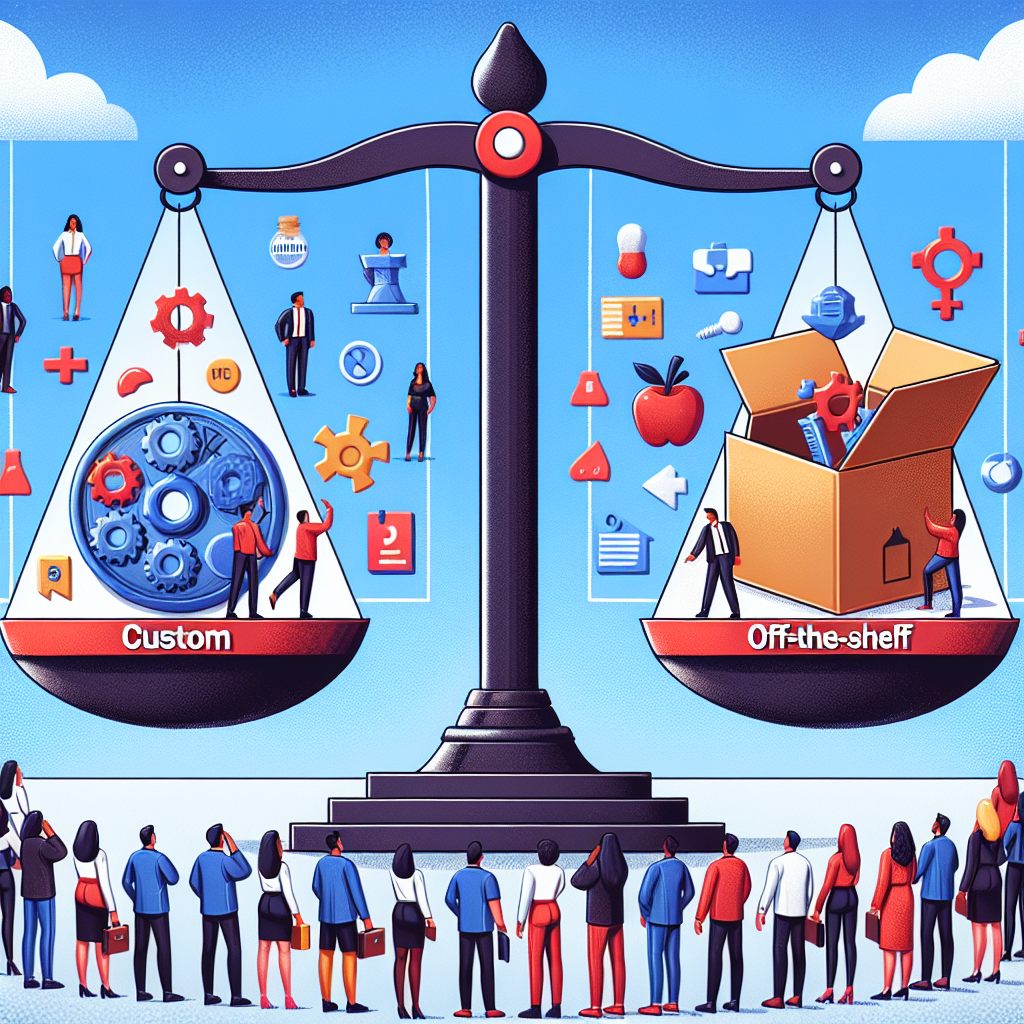
Developing mobile apps from Django applications involves various challenges such as ensuring performance, managing different platform guidelines, and maintaining codebase consistency. Moreover, deciding between hybrid and native approaches requires careful analysis of project requirements, budget, and long-term maintenance considerations.
Conclusion
The transition from Django web applications to mobile apps provides an exciting opportunity to reach a wider audience and enhance user experiences. While the process involves a series of strategic decisions and technical hurdles, leveraging frameworks such as React Native, Ionic, or Flutter in conjunction with Django’s robust back-end tools can significantly streamline development. Ultimately, the choice between creating responsive designs, PWAs, hybrid, or native applications must align with project goals, user needs, and development resources. As technology continues to progress, staying adaptable and informed ensures that developers can offer applications that meet and exceed the expectations of modern users.


0 Comments