
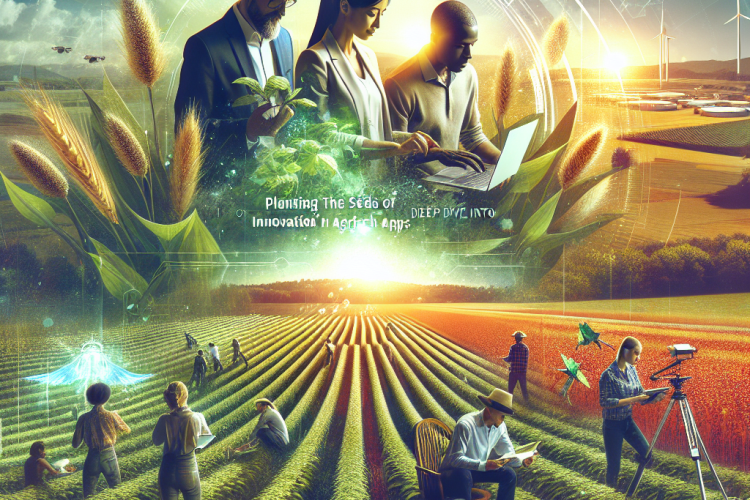
As the world grapples with increasing populations and the corresponding demand for food, innovation in agriculture is not merely desirable; it is essential. Enter AgriTech apps, the digital saviors reimagining farming through technology. By integrating data analytics, artificial intelligence, and the Internet of Things (IoT), these applications are revolutionizing the agricultural landscape. This article delves into the intricacies of AgriTech apps, examining their potential and the challenges they face in a rapidly changing world.
The Rise of AgriTech Apps
The digital transformation in agriculture, often referred to as AgriTech, encapsulates a broad array of technologies. These include data analytics for crop monitoring, drones for aerial surveys, and automated systems for irrigation. Among these innovations, smartphone applications hold a special place due to their accessibility and usability for farmers around the globe.
By 2020, the AgriTech market was already valued at over $17 billion, with applications playing a crucial role. Farmers can utilize these apps to track weather patterns, manage supply chains, and even access real-time market prices. The fusion of mobile technology with agriculture isn’t just a convenience—it’s a transformative force making farming more efficient and sustainable.
Core Features of AgriTech Apps
A typical AgriTech app comes equipped with a multitude of features designed to aid the modern farmer. Key functionalities often include weather forecasting, pest and disease identification, soil health analysis, and crop management tools.
Weather Forecasting: Weather conditions play a pivotal role in farming. AgriTech apps offer precise weather analytics, providing farmers with essential information to combat climate-related challenges effectively.
Pest and Disease Identification: AI-powered image recognition can help identify pests and diseases early, allowing farmers to take proactive measures before significant damage occurs.
Soil Health Analysis: Some apps come with technologies that suggest appropriate soil additives based on analysis, ensuring optimum crop yield.
Crop Management Tools: These tools streamline farm work by organizing planting schedules, irrigation timings, and harvest forecasting.
Impact on Sustainable Agriculture
AgriTech apps are at the forefront of promoting sustainable agriculture. By optimizing resource usage and reducing waste, these applications make agriculture more environmentally friendly and economically viable.
Water Management: Many AgriTech apps focus on water conservation techniques, recommending efficient irrigation methods like drip or sprinkler systems, thereby reducing water wastage.
Precision Agriculture: Through the use of IoT devices and data-driven insights, farmers can apply precise amounts of water, fertilizers, and pesticides, cutting down on excess usage and minimizing ecological disruption.
Carbon Footprint Reduction: AgriTech apps assist in crop rotation planning and the adoption of cover crops, which play a vital role in capturing carbon and improving soil health, contributing to lower overall carbon footprints for farming operations.
Challenges in AgriTech App Adoption
Despite their potential, the adoption of AgriTech apps faces several hurdles. One of the primary challenges is the digital divide, particularly in developing regions where high-speed internet is not always accessible. Equipment cost and technical support for troubleshooting also limit the reach of these technological solutions.
Furthermore, skepticism regarding data privacy and trust barriers pose significant adoption challenges. Farmers may hesitate to share data with app developers, fearing misuse or unauthorized sharing of sensitive information.
To overcome such barriers, stakeholder collaboration is crucial. Governments, tech companies, and agricultural associations need to work together to incentivize app adoption, create affordable solutions, and ensure secure data practices.
Case Studies: AgriTech Apps in Action
Around the world, multiple AgriTech apps have showcased the transformative power of technology in agriculture.
FarmLogs (USA): This app helps farmers manage their field records, track rainfall, and analyze growing conditions. By providing detailed insights, FarmLogs enhances farm productivity and operational decision-making.
M-farm (Kenya): M-farm connects small scale farmers to the market directly, providing real-time price information and eradicating exploitative middlemen. This app empowers farmers by giving them the data needed to negotiate better deals.
iCow (Kenya): Focusing on livestock, iCow provides farmers with agricultural tips and best practices via mobile technology. The app offers guidance on breeding, feeding, and disease management, enhancing dairy productivity.
The Future of AgriTech Apps
As technology advances, the scope and sophistication of AgriTech apps are expected to grow exponentially. Integration with emerging technologies like blockchain for transparent transactions, AI for enhanced analytics, and expanded IoT applications will redefine what’s possible in the agricultural sector.
Future AgriTech apps may offer hyper-local weather predictions, automate entire farming processes with minimal human intervention, and even utilize drones for crop monitoring in otherwise inaccessible regions.
Moreover, the incorporation of virtual and augmented reality into agricultural training could democratize knowledge, allowing farmers unparalleled access to innovative farming techniques and practices.
Conclusion
The advent of AgriTech apps signifies a pivotal shift in the landscape of agriculture. Embracing these digital tools holds the key to meeting the dual challenges of increasing global food production and ensuring sustainable farming practices. While challenges exist, the pathways opened by these technologies offer immense promise. By continuing to innovate and collaborate across sectors, AgriTech apps can indeed plant the seeds for a prosperous and sustainable agricultural future. As these technologies mature, the hope is that they become as integral to farming as the plow and tractor, steering agriculture into a brighter, tech-enabled era.



0 Comments