
Introduction
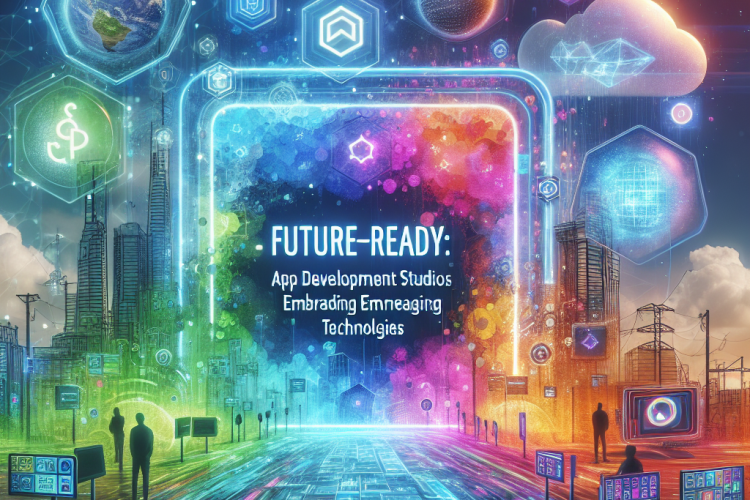
The rapid evolution of technology is reshaping the landscape of app development. App development studios worldwide are integrating cutting-edge technologies to enhance user experience, streamline operations, and deliver innovative solutions. This article explores how studios are adapting to emerging technologies such as artificial intelligence, augmented reality, blockchain, and more.
Integration of Artificial Intelligence
Artificial Intelligence (AI) is at the forefront of technological advancement. App development studios are leveraging AI to create smarter applications capable of personalizing user experiences. AI algorithms are utilized for predictive analytics, enabling apps to understand user behavior and make real-time adjustments.
Incorporating AI in app development also includes the use of chatbots for enhanced customer service. These AI-driven chatbots provide immediate assistance, fostering better user engagement and satisfaction. Studios are creating apps that not only perform tasks but also learn from user interactions to improve functionality.
Augmented Reality for Immersive Experiences
Augmented Reality (AR) transforms the way users interact with apps by overlaying digital information in the real world. Development studios are incorporating AR to offer immersive experiences in various sectors such as retail, gaming, and education.
With AR, users can visualize products in their environment before purchase, creating a more engaging shopping experience. In education, AR apps provide interactive learning tools, making content more relatable and easier to understand. Gaming apps use AR to create real-world interaction scenarios, boosting user engagement.
Blockchain for Enhanced Security
Blockchain technology is revolutionizing the security aspects of app development. By providing a decentralized ledger, blockchain ensures the integrity and confidentiality of data. Development studios are integrating blockchain to protect user data against unauthorized access and breaches.
Applications in finance, healthcare, and supply chain management are benefiting significantly from blockchain’s transparent and secure framework. This technology also facilitates swift transactions and smart contracts, enhancing the overall trust between users and service providers.
Internet of Things (IoT) for Connected Ecosystems
The Internet of Things (IoT) connects devices, enabling them to communicate and share data. App development studios are embracing IoT to create comprehensive ecosystems that enhance user convenience and efficiency.
IoT-powered apps are transforming industries such as home automation, healthcare, and transportation. Smart home apps allow users to control lighting, heating, and security systems remotely. In healthcare, IoT apps monitor patient health vitals, providing real-time data to medical professionals.
5G Technology: A Boost for Mobile Apps
The rollout of 5G technology is a game changer for the app development sector. This high-speed network significantly enhances the performance of mobile applications by reducing latency and increasing bandwidth.
5G enables seamless streaming, richer multimedia experiences, and faster data transfer. App development studios are harnessing this technology to build more responsive and feature-rich applications, setting new standards for mobile user experiences.
Predictive Analytics for Proactive Apps
Predictive analytics involves using historical data, AI, and machine learning to predict future trends. App studios are employing this technology to create proactive applications that anticipate user needs and tailor experiences accordingly.
Predictive analytics helps in optimizing app performance, understanding user preferences, and improving customer retention by offering personalized recommendations and notifications. This technology has become invaluable in sectors such as e-commerce, finance, and healthcare.
Cloud Integration for Scalable Solutions
Cloud computing offers scalable infrastructure, allowing app developers to handle increased demand without compromising performance. App development studios are utilizing cloud integration to ensure flexibility and scalability in their applications.
Cloud-based apps facilitate real-time collaboration, data storage, and seamless updates. This integration reduces infrastructure costs and enhances accessibility, enabling businesses to focus on delivering exceptional user experiences.
Cross-Platform Development for Wider Reach
Cross-platform development allows apps to run on multiple operating systems, reaching a broader audience. Development studios are increasingly adopting frameworks like Flutter and React Native to build cross-platform applications.
This approach reduces development time and costs while maintaining consistent performance across all platforms. By providing a unified experience, cross-platform apps enhance user satisfaction and expand market reach.
Emphasis on Cybersecurity
With growing concerns about data privacy and security, app development studios are prioritizing cybersecurity in their applications. Implementing robust security measures ensures the protection of user data and builds trust.
Studios are employing encryption, secure authentication protocols, and regular security testing to safeguard applications from potential threats and vulnerabilities.
Conclusion
The future of app development is bright, with emerging technologies paving the way for innovation and enhanced user experiences. As app development studios continue to embrace these technologies, they remain poised to deliver cutting-edge solutions that meet the evolving needs of users worldwide.
By staying ahead of technological trends and incorporating them into their development processes, studios can create future-ready applications that offer increased functionality, security, and engagement.


0 Comments