
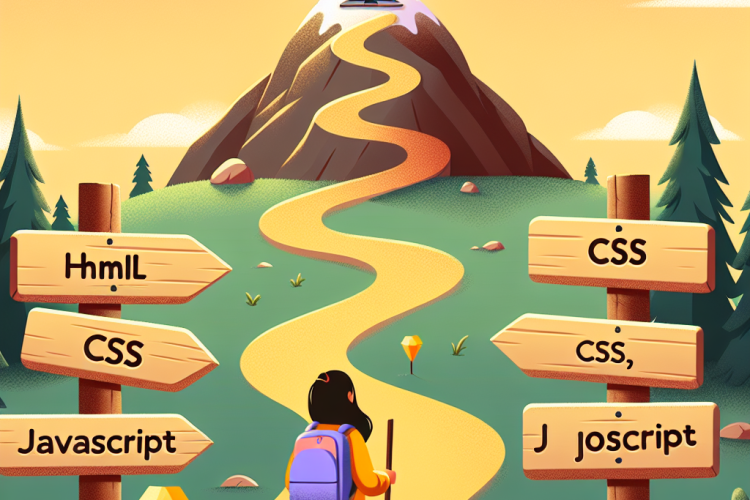
Embarking on a journey to become a fullstack web developer can be both exciting and overwhelming. This guide aims to break down the essential steps, skills, and resources you’ll need to transition from a beginner to a competent fullstack developer.
1. Understanding Fullstack Development
Fullstack developers work on both the front end (client side) and back end (server side) of web applications. They are skilled in a variety of technologies that allow them to create complete solutions. Here’s what you need to know:
- Front End: This is what users interact with. Technologies include HTML, CSS, and JavaScript frameworks like React and Angular.
- Back End: This is the server-side logic. Technologies include Node.js, databases (like MongoDB and SQL), and server languages (like Python and Ruby).
2. Learning the Basics
Start with the foundational skills:
HTML: Structure your web pages.CSS: Style your web pages.JavaScript: Make your pages interactive.
3. Diving into Frontend Frameworks
Once you’re comfortable with the basics, explore frontend frameworks:
- React: A JavaScript library for building user interfaces.
- Vue.js: A progressive framework for building UIs.
- Angular: A platform for building mobile and desktop web applications.
4. Exploring Backend Development
Next, focus on backend programming. Start with the following:
- Node.js: JavaScript runtime for building server applications.
- Express.js: A web application framework for Node.js.
- Databases: Learn about SQL databases (like MySQL) and NoSQL databases (like MongoDB).
5. Building Projects
The best way to learn is by doing. Start by building simple projects, then gradually increase complexity:
- Portfolio website
- To-do list app
- Simple e-commerce site
6. Version Control and Deployment
Learn about version control systems like Git and platforms like GitHub. Understand how to deploy your applications using services like Heroku or Netlify.
7. Joining a Community
Connect with other developers through:
- Online forums (such as Stack Overflow)
- Local coding meetups
- Social media platforms like Twitter and LinkedIn
Conclusion
Your journey to becoming a fullstack web developer will require time, patience, and constant learning. Stay curious and keep building. Remember, every expert was once a beginner!

0 Comments