
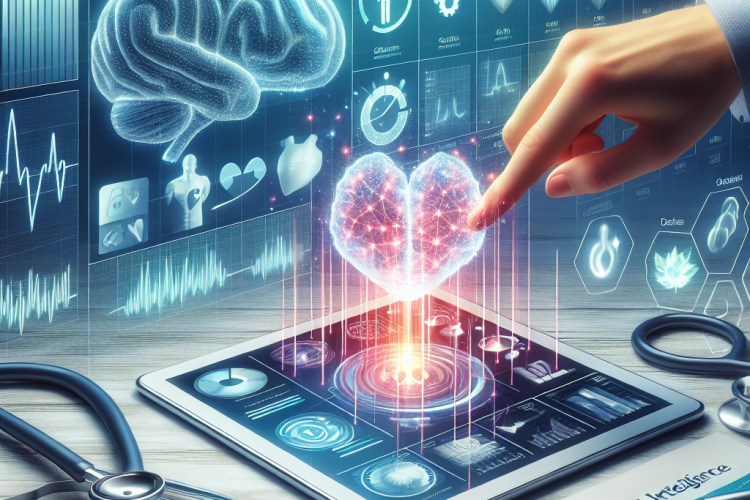
The healthcare industry is undergoing a transformation driven by data analytics and intelligent technologies. As
healthcare apps gain popularity, integrating data analytics into these applications is essential for improving
patient outcomes and enhancing operational efficiency.
The Role of Data Analytics in Healthcare Apps
Data analytics plays a crucial role in healthcare applications by providing actionable insights. By utilizing
large datasets, healthcare providers can:
- Monitor patient health in real-time.
- Identify trends and patterns in patient data.
- Enhance decision-making processes for care providers.
- Improve patient engagement and satisfaction.
Types of Analytics in Healthcare
Healthcare analytics can be categorized into three primary types:
- Descriptive Analytics: Analyzes historical data to understand what has happened in the
past. - Predictive Analytics: Uses statistical models and machine learning techniques to predict
future outcomes. - Prescriptive Analytics: Provides recommendations on actions to take based on predictive
models.
Benefits of Integrating Analytics into Healthcare Apps
Integrating analytics into healthcare applications brings several advantages:
- Enhanced Clinical Decision Support: Data-driven insights support clinicians in making better
decisions. - Operational Efficiency: Identifying bottlenecks and inefficiencies streamlines operations.
- Personalized Patient Care: Tailored treatments based on individual patient data improve
outcomes. - Cost Reduction: Efficient resource allocation can lead to significant cost savings.
Challenges in Data Integration
Despite the benefits, integrating data into healthcare apps is not without challenges:
- Data Privacy and Security: Protecting sensitive patient information is of utmost importance.
- Interoperability: Ensuring different systems work together to provide a seamless experience.
- Data Quality: High-quality data is necessary for accurate insights and decisions.
Future Trends in Healthcare Analytics
The future of analytics in healthcare apps is promising:
- Increased use of AI and machine learning for deeper insights.
- Enhanced patient engagement through data-driven applications.
- Greater focus on preventive care enabled by real-time data analytics.
Conclusion
Integrating analytics and intelligence into healthcare applications is crucial for transitioning towards a data-driven approach in the industry. By harnessing the power of data, healthcare providers can improve patient outcomes, reduce costs, and create a more efficient healthcare system.


0 Comments