
Introduction
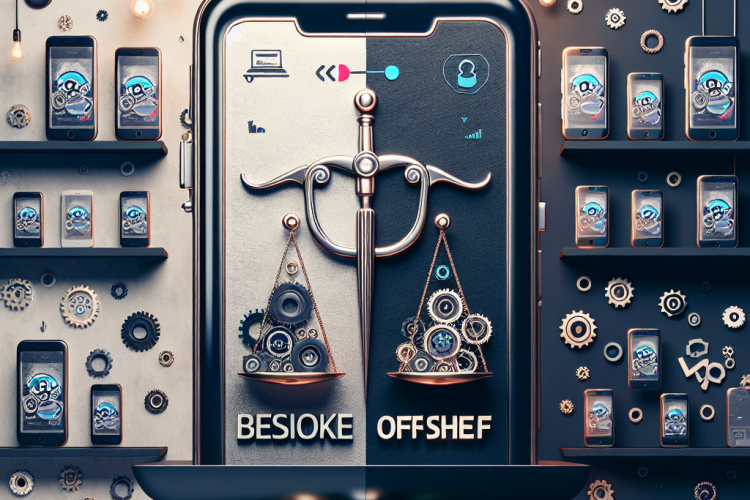
In the ever-evolving world of technology, businesses are constantly faced with the challenge of choosing the right software solutions to meet their needs. The decision between bespoke apps and off-the-shelf solutions can significantly impact a company’s efficiency, scalability, and bottom line. This article delves deep into the pros and cons of each option, helping you determine which is the best fit for your business.
Understanding Bespoke Applications
Bespoke applications, also known as custom software, are tailored specifically to the needs and processes of a business. Developed from the ground up, these solutions are designed to address unique challenges, offering a customized approach that maximizes efficiency and aligns with specific strategic goals.
Advantages of Bespoke Apps
- Customization: Bespoke software is tailored to fit the exact requirements of your business. This means it can fully support your operations more effectively without the need for workarounds.
- Scalability: Custom solutions can evolve with your business. As your company grows and changes, you can modify the software to meet new demands.
- Competitive Edge: By using software that is specifically built for your business processes, you often gain a competitive advantage over those using standard solutions.
- Integration: Custom software can be designed to integrate seamlessly with existing tools and technologies, enhancing overall system efficiency.
Disadvantages of Bespoke Apps
- Cost: Developing bespoke software can be costly due to the amount of development time and resources required.
- Time-Consuming: Since custom software is developed from scratch, it typically takes longer to deploy compared to off-the-shelf solutions.
- Maintenance: Ongoing support and maintenance are your responsibility, which might require specialist knowledge and additional expenses.
Exploring Off-the-Shelf Solutions
Off-the-shelf software solutions are pre-made applications available to a wide range of businesses. They are designed to meet generic requirements and offer standard functionalities that cater to common industry practices.
Advantages of Off-the-Shelf Solutions
- Cost-Effective: Generally, off-the-shelf software is less expensive because the costs are distributed among many users.
- Immediate Availability: These solutions are typically ready to implement immediately, speeding up deployment times.
- Community Support: Popular off-the-shelf solutions often have a vast user base, providing access to forums, tutorials, and troubleshooting help.
- Regular Updates: Many vendors provide regular updates and enhancements, ensuring the software remains up-to-date with industry standards.
Disadvantages of Off-the-Shelf Solutions
- Lack of Customization: These solutions might not perfectly align with your specific business processes, requiring you to adapt your procedures.
- Scalability Issues: Off-the-shelf software may not grow with your business, potentially necessitating a switch to different solutions as your company expands.
- Dependency on Vendor: Your business becomes reliant on the vendor for updates, bug fixes, and continued functionality of the software.
Factors to Consider When Choosing Between Bespoke and Off-the-Shelf
The decision between bespoke and off-the-shelf solutions should not be made lightly. Several key factors can influence which type of software is most appropriate for your business:
Business Requirements
Analyze your core business processes and identify gaps in your current technology stack. If your needs are highly specific and not met by existing solutions, custom software may be necessary.
Budget Constraints
Consider your financial constraints. If a significant upfront investment is feasible and justified by the potential for increased efficiency and revenue, a bespoke app might be worthwhile. However, if budget constraints are tight, an off-the-shelf solution could be the better choice.
Timeframe
Evaluate the urgency of the implementation. If you require a quick turnaround, an off-the-shelf product may be more suitable. However, for strategically critical projects where the timeline is more flexible, bespoke solutions provide a tailored approach.
Long-Term Vision
Align the software selection with your long-term business objectives. Consider whether the software will still be relevant and efficient in the coming years. Custom solutions offer the flexibility to adapt to future changes.
Security and Compliance
Assess the security needs of your organization. Bespoke solutions can be designed with specific security parameters, while off-the-shelf solutions may require additional configurations to meet compliance standards.
Case Studies
Case Study 1: Successful Implementation of Bespoke Software
A regional retail company opted for a bespoke inventory management system to handle its complex logistics and distribution network. The custom software improved stock accuracy by 30% and reduced overhead costs, resulting in a swift return on investment despite the high initial expense.
Case Study 2: Off-the-Shelf Software in Action
A startup in the fintech space implemented an off-the-shelf CRM solution to manage customer relationships. With a limited budget and tight deployment schedule, the company benefited from the CRM’s proven track record and scalability, which helped streamline customer interactions and boost satisfaction.
Conclusion
Deciding between bespoke apps and off-the-shelf solutions requires a thorough understanding of your business needs, budget, and future goals. While bespoke software offers customization and a competitive edge, it comes at a higher cost and longer development time. Off-the-shelf solutions provide cost savings and speed of implementation but may lack the customization required for specific business needs.
The key to making an informed decision lies in carefully weighing these factors against your strategic objectives. Whether you choose a custom-built solution or a ready-made product, what matters most is how well the software aligns with your business processes and enhances overall performance.



0 Comments