
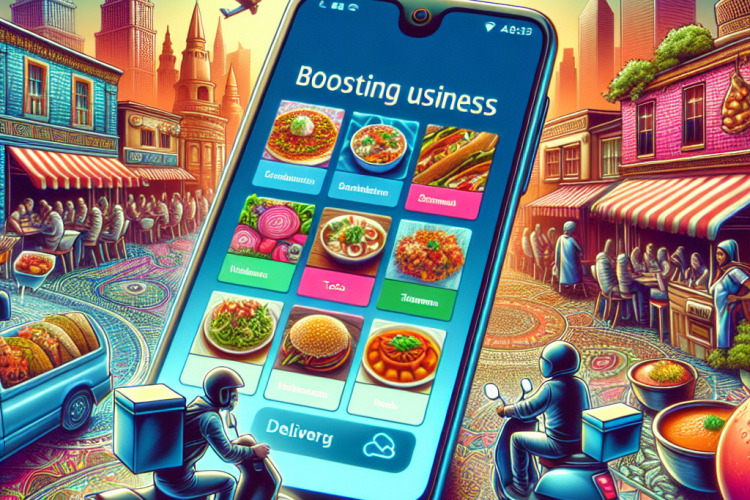
In recent years, food delivery apps have emerged as a game-changer in the restaurant and food service industry. With the rise of technology and changing consumer preferences, these apps are not only providing convenience but are also reshaping the way businesses operate and interact with customers.
The Surge in Popularity
The demand for food delivery has skyrocketed, especially post-pandemic. With busy lifestyles and a growing preference for convenience among consumers, food delivery apps like Uber Eats, DoorDash, and Grubhub have become household names.
Advantages for Restaurants
Food delivery apps offer several compelling benefits for restaurants, including:
- Expanded Reach: Restaurants can reach a broader audience beyond their brick-and-mortar locations.
- Increased Sales: By tapping into the delivery market, restaurants can significantly boost their sales volumes.
- Data Analytics: These platforms provide valuable insights into customer preferences and ordering habits.
- Lower Operational Costs: Restaurants can reduce costs associated with in-house delivery staff.
Enhancing Customer Experience
For consumers, food delivery apps provide unparalleled convenience:
- Easy Ordering: Users can browse menus, place orders, and make payments within minutes.
- Real-Time Tracking: Customers can track their orders in real-time, reducing uncertainty and enhancing satisfaction.
- Special Offers: Many apps provide exclusive discounts and promotions, making dining out more affordable.
Challenges in the Industry
While food delivery apps provide numerous benefits, they also present challenges such as:
- High Commissions: Many delivery platforms charge restaurants high commission fees, which can impact profit margins.
- Quality Control: Maintaining food quality during delivery can be challenging for many restaurants.
- Competition: The rising number of delivery services intensifies competition among restaurants.
Conclusion
Food delivery apps are undoubtedly revolutionizing the industry, providing benefits to both consumers and businesses alike. As technology continues to evolve, it will be interesting to see how these platforms further innovate to meet the needs of a dynamic market. To thrive in this new landscape, restaurants must adapt, embrace these changes, and strategically leverage food delivery services to enhance their reach and profitability.



0 Comments