
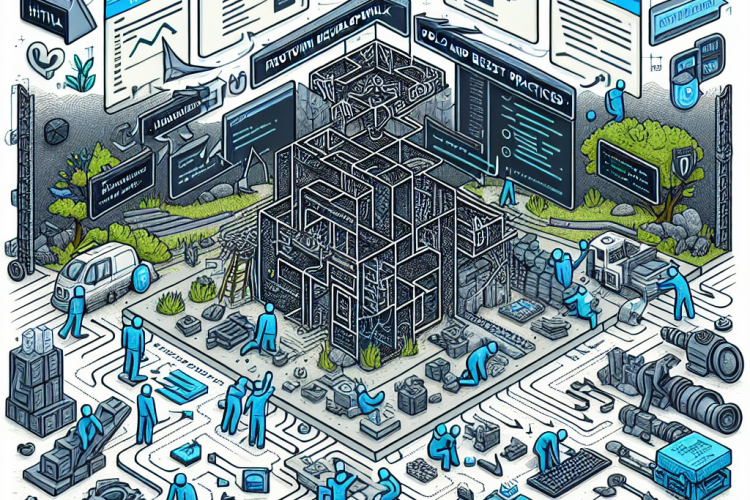
Frontend development is a dynamic and essential aspect of web development. The process involves various stages, tools, and best practices that ensure the creation of intuitive and responsive user interfaces. This article will break down the frontend development workflow, detailing the essential tools and best practices you should incorporate.
1. Planning and Design
The first step in frontend development is planning and designing the user experience (UX). This phase involves understanding the project requirements, target audience, and overall goals.
- Tools: Adobe XD, Figma, Sketch
- Best Practices: Create wireframes and prototypes, conduct user research, and gather feedback early in the process.
2. Development Setup
Setting up your development environment is crucial for productivity. It includes tools and technologies that will streamline your workflow.
- Tools: Visual Studio Code, Webpack, Babel
- Best Practices: Utilize version control (e.g., Git), establish a consistent coding style, and implement a task runner.
3. Building the User Interface
The stage where you build the actual user interface involves translating designs into code. This usually includes HTML, CSS, and JavaScript.
- Tools: HTML5, CSS3, JavaScript frameworks (React, Vue, Angular)
- Best Practices: Follow semantic HTML practices, use preprocessors like SASS for CSS, and ensure code is modular and reusable.
4. Testing
Once development is complete, testing ensures functionality and usability across different devices and browsers.
- Tools: Jest, Selenium, BrowserStack
- Best Practices: Write unit and integration tests, perform cross-browser testing, and gather user feedback post-launch.
5. Deployment
After testing, it’s time to deploy the application. This stage includes making the application available to users.
- Tools: GitHub Pages, Netlify, Vercel
- Best Practices: Have a clear deployment process, monitor error logs, and optimize for performance.
6. Maintenance and Updates
After deployment, continuous maintenance is necessary to ensure optimal performance and user satisfaction.
- Tools: Google Analytics, Sentry
- Best Practices: Regularly update dependencies, fix bugs promptly, and refine based on user feedback.
Conclusion
The frontend development workflow is a structured process that helps developers create high-quality applications. By incorporating the right tools and adhering to best practices, you can streamline your workflow and ensure robust, efficient, and user-friendly interfaces.



0 Comments