
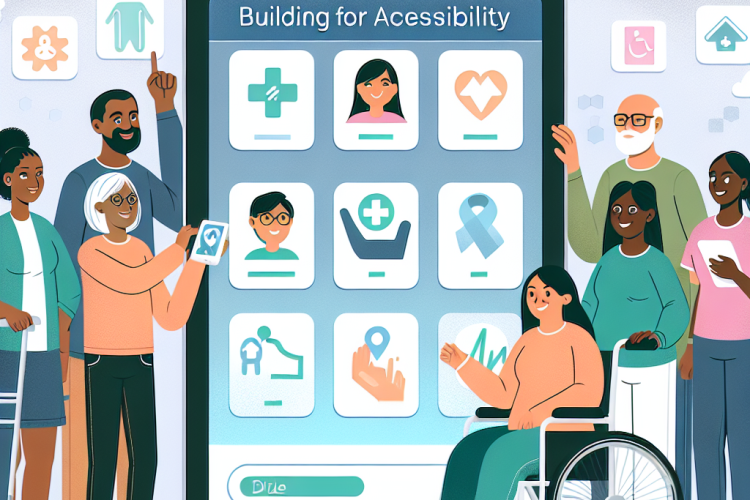
In recent years, the need for accessible healthcare applications has become increasingly critical. With millions of people living with disabilities or chronic conditions, it’s essential that apps cater to diverse user needs. By adopting accessibility best practices, developers can create inclusive healthcare apps that empower all users to engage with their health in meaningful ways.
The Importance of Accessibility in Healthcare
Accessibility in healthcare apps is not just a feature; it’s a necessity. Here are some reasons why:
- Legal Compliance: Many regions have regulations requiring digital products to be accessible.
- Wider Audience Reach: An accessible app can serve a broader population, including seniors and individuals with disabilities.
- Enhanced User Experience: Focusing on accessibility improves usability for everyone, leading to higher user satisfaction.
Key Accessibility Features for Healthcare Apps
When designing healthcare apps, here are essential accessibility features to incorporate:
- Screen Reader Compatibility: Ensure your app works seamlessly with screen readers for visually impaired users.
- Keyboard Navigation: Allow users to navigate through the app using a keyboard alone.
- Color Contrast and Text Size: Maintain high contrast ratios and allow users to adjust text size for better readability.
- Alternative Text for Images: Provide descriptive alt text for images to assist users who rely on screen readers.
- Voice Commands: Integrate voice commands for users who have difficulty with traditional input methods.
Testing for Accessibility
To ensure your app meets accessibility standards, rigorous testing is essential:
- User Testing: Engage users with disabilities in the testing phase to gather feedback on usability.
- Automated Tools: Utilize tools like Axe, Wave, or Accessibility Insights to identify accessibility issues.
- Manual Checks: Conduct comprehensive manual reviews to assess the app’s overall accessibility.
Conclusion
Building accessible healthcare applications is a vital step toward fostering an inclusive society. By implementing essential accessibility features and conducting thorough testing, developers can ensure that their apps serve all users, ultimately enhancing health outcomes for everyone. Inclusivity should be at the forefront of app development in healthcare, paving the way for a healthier future.



0 Comments