
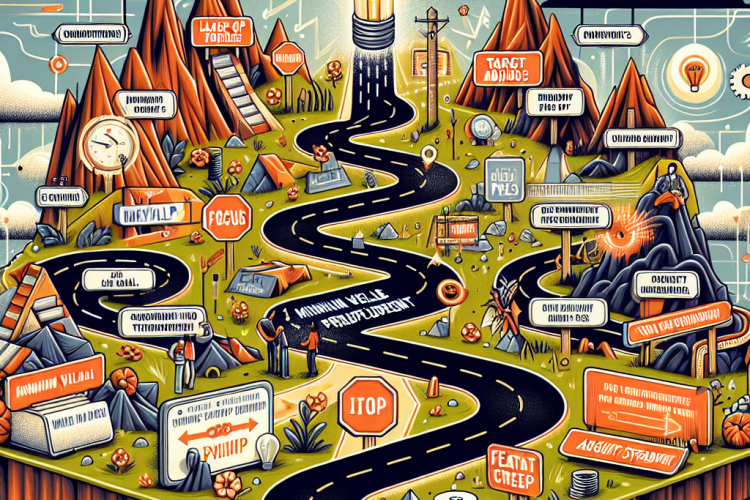
The concept of the Minimum Viable Product (MVP) is fundamental in the realm of startups and agile development. An MVP allows teams to quickly test their ideas with real users, gather feedback, and iterate before investing significant resources. However, building an MVP is fraught with challenges. Here, we will explore common pitfalls in MVP development and how to avoid them.
1. Lack of Clarity on Goals
One of the biggest pitfalls in MVP development is a lack of clarity concerning the goals. Teams often jump into development without clearly defined objectives, leading to confusion about what to build. Without clear goals, the MVP can turn into a feature-laden product rather than a streamlined version of the intended solution.
How to Avoid This Pitfall
- Define Core Objectives: Before commencing the development, outline the core objectives. What problem is the MVP solving? What key features are essential?
- Align Stakeholders: Ensure that all stakeholders are on the same page regarding the goals and vision of the MVP.
- Use the SMART Criteria: Make goals Specific, Measurable, Achievable, Relevant, and Time-bound.
2. Overcomplicating the MVP
Another common pitfall is overcomplicating the MVP by adding unnecessary features. The goal of an MVP is to test the core functionality, but many teams get carried away and include features they believe are essential.
How to Avoid This Pitfall
- Prioritize Features: Use techniques like the MoSCoW method (Must have, Should have, Could have, Won’t have) to prioritize features.
- Focus on User Needs: Concentrate on solving the primary problem for your target users before considering additional features.
- Iterate and Expand: Start small, get feedback, and then iterate to include additional features as necessary.
3. Ignoring the Target Audience
Often, teams develop MVPs without fully understanding their target audience. This oversight can lead to creating a product that doesn’t meet the users’ needs or preferences.
How to Avoid This Pitfall
- Conduct Market Research: Understand your target audience’s pain points and needs through surveys, interviews, or focus groups.
- Create User Personas: Develop user personas to represent various segments of your target audience, helping to keep the focus on user needs.
- Engage Early Users: Involve potential users from the beginning of the process to ensure their needs are met.
4. Skipping User Feedback
Some teams neglect to gather user feedback early on, believing their vision is sufficient. This can lead to building a product that does not align with user expectations or requirements.
How to Avoid This Pitfall
- Implement User Testing: Create prototypes and conduct user testing sessions to gather early feedback.
- Set Feedback Loops: Establish channels for users to provide feedback easily during and after the MVP testing phase.
- Iterate Based on Feedback: Be prepared to make changes based on the insights gathered from user interactions.
5. Neglecting Technical Debt
In the rush to ship an MVP, teams often ignore the implications of technical debt. Quick fixes or shortcuts might seem acceptable initially, but they can result in significant issues down the road.
How to Avoid This Pitfall
- Maintain Code Quality: Focus on keeping the codebase clean and well-structured, even if it takes a bit more time.
- Document Decisions: Keep thorough documentation of the code and design decisions to help manage future changes.
- Plan for Future Scalability: Consider how the MVP will evolve and ensure the architecture supports future features without excessive rework.
6. Inadequate Market Validation
Market validation is crucial for any MVP. Some teams build an MVP without testing market demand, leading to potential failure if users are not interested in the product.
How to Avoid This Pitfall
- Conduct Pre-Launch Surveys: Validate the idea by conducting surveys to assess interest before investing in development.
- Utilize Landing Pages: Create landing pages to gauge interest and collect email sign-ups for potential users.
- Launch a Pilot Version: If possible, launch a pilot version of the MVP to a limited audience to confirm market demand.
7. Forgetting About Marketing
Another frequent mistake is neglecting marketing strategies during MVP development. Building a product is one aspect, but reaching the target audience is equally vital.
How to Avoid This Pitfall
- Develop a Marketing Plan: Create a comprehensive marketing plan that outlines how to engage and attract users to the MVP.
- Leverage Social Media: Use social media platforms to create buzz around the MVP and connect with potential users.
- Content Marketing: Publish blogs, videos, and other content to drive interest and educate users about the MVP.
8. Underestimating Resource Needs
Many teams fail to accurately estimate the resources required for MVP development, leading to burnout and missed deadlines. This can derail the entire project timeline.
How to Avoid This Pitfall
- Identify Resource Requirements: Clearly outline the human and technical resources needed early in the planning stage.
- Set Realistic Timelines: Create timelines that account for potential setbacks and resource limitations.
- Regular Check-Ins: Conduct regular reviews of resource allocation to ensure the team stays on track without experiencing burnout.
9. Failing to Create a Roadmap
Omitting a clear roadmap can lead to disorganization and a lack of direction throughout the MVP development process. A roadmap provides a structured plan to follow.
How to Avoid This Pitfall
- Define Milestones: Create clear milestones to track progress and ensure the project stays on schedule.
- Update Regularly: Periodically review and revise the roadmap to reflect new insights and changing priorities.
- Communicate Openly: Ensure the team is aware of the roadmap and understands their roles and responsibilities.
10. Overlooking Post-Launch Evaluation
Too often, teams focus solely on launching the MVP and neglect the importance of evaluating its performance post-launch. Continuous evaluation is critical for improvement and growth.
How to Avoid This Pitfall
- Set KPIs: Define key performance indicators (KPIs) to assess the MVP’s success in meeting its goals.
- Solicit User Feedback: Continue gathering feedback from users after launch to learn what works and what doesn’t.
- Plan for Iteration: Use insights from post-launch evaluations to make iterative improvements to the product.
Conclusion
Building a Minimum Viable Product is a crucial step in validating an idea and engaging potential users. However, the process is not without its pitfalls. By identifying common mistakes such as a lack of clarity on goals, overcomplicating features, neglecting user feedback, and underestimating resource needs, teams can navigate the challenges effectively. Implementing structured strategies for each identified pitfall will help ensure a smoother MVP development process. Ultimately, creating an MVP is not just about launching a product; it’s about learning, adapting, and continuously improving based on real-world feedback and market needs. Embrace the iterative nature of MVP development, and you will be better positioned for success in the competitive landscape.


0 Comments