
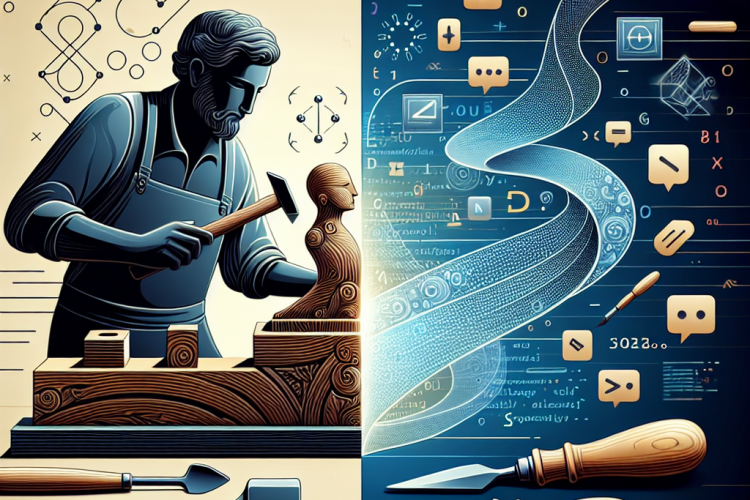
In the ever-evolving landscape of technology, bespoke web app development stands out as a harmonious blend of craftsmanship and innovation. It offers personalized solutions that are finely tuned to meet specific needs, moving beyond the one-size-fits-all approach of traditional software. This marriage of craftsmanship and technology leads to the creation of web applications that provide unique value and differentiation in a competitive digital environment.
Craftsmanship in web development emphasizes quality and attention to detail. It draws from traditional artisanal principles, focusing on the bespoke creation of solutions that address particular needs. This approach is akin to tailoring a suit, where every seam and stitch is crafted to ensure a perfect fit, reflecting the customer’s unique requirements and style.
The Rise of Bespoke Solutions
The demand for bespoke web app development is driven by the need for customization and flexibility. In the age of digital transformation, businesses aim to create a distinctive online presence and provide a seamless user experience. Off-the-shelf software often falls short in meeting these highly specific needs.
Companies are increasingly turning to tailor-made solutions to enhance their operational efficiency and customer engagement. By opting for custom development, businesses can leverage unique features that align perfectly with their processes, ensuring scalability, adaptability, and integration with existing systems.
A bespoke web app can also provide a competitive edge by incorporating innovative functionalities and a personalized user interface. This approach ensures that companies can swiftly adapt to changing technologies and market demands.
Process of Crafting Bespoke Web Apps
1. Discovery and Requirement Analysis
The first step in creating a bespoke web app involves a deep dive into discovery and requirement analysis. This stage is essential to understanding the client’s vision, business processes, and goals. Designers and developers collaborate closely with stakeholders to gather information about their specific needs and preferences.
2. Planning and Design
Once the requirements are clearly understood, the process moves on to the planning and design phase. Here, the focus is on conceptualizing the architecture and design of the application, considering both functionality and user experience. Prototypes and mockups may be used to visualize the product and gather further feedback.
3. Development and Testing
This phase involves building the web app using suitable technologies and frameworks. Developers work diligently to translate the designs into functional solutions, writing clean and efficient code. Quality assurance is integral to this phase, employing rigorous testing to ensure that the web app performs optimally and is free from bugs and errors.
4. Deployment and Maintenance
After development and testing, the bespoke web app is ready for deployment. This stage involves setting up the necessary infrastructure and launching the product to the intended users. Post-deployment, ongoing maintenance is crucial to keep the application up-to-date, secure, and aligned with evolving business needs and user feedback.
Technologies Driving Bespoke Development
The development of bespoke web apps is supported by a wide array of technologies. Modern programming languages, frameworks, and tools enable developers to craft sophisticated and efficient solutions.
Frontend Technologies
On the frontend, technologies such as HTML5, CSS3, and JavaScript frameworks like React, Angular, and Vue.js are prevalent. These tools allow developers to create interactive and engaging user interfaces that are user-friendly and aesthetically pleasing.
Backend Technologies
For the backend, developers rely on robust programming languages like Python, Node.js, Ruby on Rails, and PHP. These technologies support the creation of scalable and secure server-side solutions that handle data processing, storage, and business logic.
APIs and Integrations
APIs play a crucial role in bespoke web app development by enabling seamless integration with third-party services and existing systems. This capability allows businesses to enhance their applications’ functionalities by leveraging external data and services.
Cloud and DevOps
The adoption of cloud computing and DevOps practices further enhances the bespoke development process. Cloud platforms like AWS, Google Cloud, and Microsoft Azure provide scalable and flexible resources that support efficient development and deployment. DevOps practices ensure continuous integration and delivery, optimizing the development lifecycle and improving collaboration between teams.
The Art and Craft of User Experience
User experience (UX) is a pivotal aspect of bespoke web app development, intertwining the art of design with the science of usability. An intuitively designed web app that prioritizes user needs and behaviors leads to greater engagement and satisfaction.
Crafting an effective UX involves user-centered design principles, usability testing, and iterative design processes. Designers must empathize with users, understand their pain points, and create interfaces that are not only functional but also delightful to interact with.
Accessibility is another critical component of UX, ensuring that web apps are usable by people with varying abilities. This inclusive approach broadens the app’s reach and enhances its overall quality and impact.
Challenges and Solutions in Bespoke Development
Despite its numerous advantages, bespoke web app development presents certain challenges that must be addressed to ensure successful outcomes.
Scoping and Requirements
A significant challenge lies in accurately scoping the project and gathering detailed requirements. Misunderstandings or gaps in requirements can lead to delays and misaligned expectations. To mitigate this, clear communication and regular feedback loops are essential throughout the project lifecycle.
Time and Cost Management
Custom solutions can be time-consuming and costly to develop. Proper planning, resource allocation, and risk management are critical to delivering projects on time and within budget. Utilizing agile methodologies can also help in managing resources more efficiently and adapting to changing requirements.
Ensuring Quality and Security
Maintaining high quality and security standards is paramount in bespoke development. Rigorous testing practices, code reviews, and security audits are necessary to prevent vulnerabilities and ensure the reliability of the web app.
Embracing Innovation in Bespoke Development
Innovation is at the core of bespoke web app development, enabling businesses to differentiate themselves in the digital landscape. By leveraging emerging technologies and trends, developers can create cutting-edge solutions that position organizations for future success.
Artificial Intelligence and Machine Learning
The integration of artificial intelligence and machine learning into web apps enhances their capabilities, offering personalized recommendations, automation, and data-driven insights. These technologies enable businesses to deliver a more personalized and efficient user experience.
Progressive Web Apps (PWAs)
Progressive Web Apps represent a significant innovation in web development. They combine the best features of web and mobile applications, offering fast, reliable, and engaging experiences. PWAs provide offline functionality, seamless updates, and improved performance, making them an attractive option for bespoke solutions.
Internet of Things (IoT)
The IoT revolution is expanding the possibilities for bespoke web apps, facilitating connectivity between devices and enabling real-time data collection and analysis. This connectivity allows businesses to monitor and control smart devices, unlocking new opportunities for efficiency and innovation.
Blockchain Technology
Blockchain offers robust security and transparency, making it a valuable asset in bespoke development. Its applications range from secure transactions and identity verification to decentralized applications, all contributing to enhanced trust and integrity.
Conclusion
In conclusion, bespoke web app development represents the perfect synthesis of craftsmanship and technology, offering tailored solutions that meet unique business requirements. The art of crafting customized web applications involves a meticulous process, from discovery and design to development and deployment, all while embracing the latest technological advancements.
This approach provides significant competitive advantages, enabling businesses to deliver superior user experiences, leverage innovative technologies, and position themselves strategically in the digital marketplace. By understanding and overcoming the challenges inherent in bespoke development, organizations can successfully adopt this artisanal method to achieve their digital goals.
Ultimately, bespoke web app development is not merely about creating functional software; it is about crafting a digital masterpiece that aligns perfectly with a company’s vision, values, and aspirations.



0 Comments