
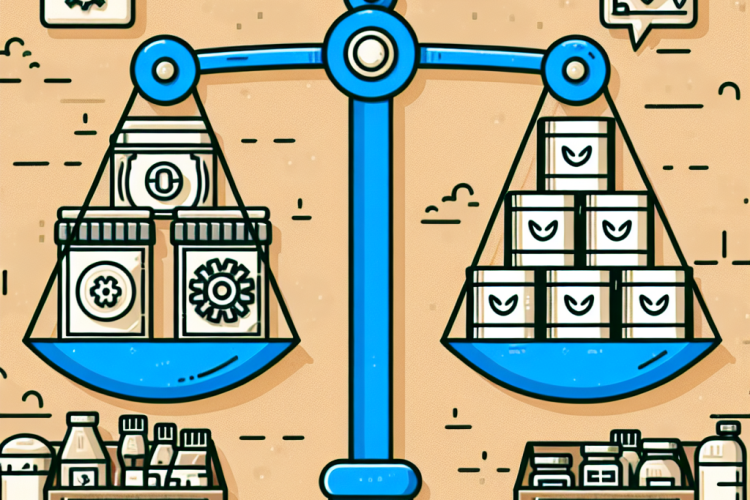
In today’s digital age, businesses and individuals alike are increasingly relying on web applications to streamline their operations, engage with customers, and drive growth. With an array of options available, choosing the right solution often boils down to two primary paths: custom web applications or off-the-shelf solutions. Each option comes with its unique set of advantages and potential drawbacks. This article delves deep into these two approaches, their benefits, limitations, and provides guidance on making the best choice for your specific needs.
Understanding Custom Web Applications
Custom web applications are tailor-made solutions designed to meet the specific requirements and unique needs of a business. Built from the ground up, these applications are developed to align seamlessly with an organization’s processes, goals, and branding.
Advantages of Custom Web Applications
- Personalization: Custom web apps offer a personalized experience, as they are developed to address specific needs and preferences. This ensures that the solution aligns perfectly with the brand’s identity and user expectations.
- Flexibility: As businesses evolve, so do their needs. Custom solutions are easily adaptable, allowing for modifications and upgrades without facing significant roadblocks. This flexibility supports scalability and long-term growth.
- Competitive Edge: By leveraging a tailor-made solution, businesses can differentiate themselves from competitors. The unique features of a custom web app can cater to niche markets and offer innovative solutions unavailable elsewhere.
- Integration: Custom web applications can be designed to integrate seamlessly with existing systems and tools, thus enhancing overall productivity and operational efficiency.
- Security: Security is paramount for any digital solution. Custom web apps can be built with robust security measures tailored specifically to the organization’s requirements, potentially providing better protection than generic solutions.
Drawbacks of Custom Web Applications
- Cost: Developing a custom web app can be costly. The initial development phase requires substantial investment in terms of both capital and time.
- Development Time: Building a custom solution from scratch can take significantly longer compared to implementing an off-the-shelf product. This could delay deployment and time-to-market.
- Maintenance and Updates: Custom applications require ongoing maintenance and updates to stay relevant and secure, which can add to the overall cost and resource allocation.
Exploring Off-The-Shelf Solutions
Off-the-shelf solutions are pre-built applications designed to cater to a broad audience with common needs. These solutions are ready-to-use and often come with a range of features that can address many general business requirements.
Advantages of Off-The-Shelf Solutions
- Cost-Effective: Generally, off-the-shelf applications are more affordable than custom solutions, especially for small to medium-sized businesses. The upfront costs are lower since development and testing phases are shared across multiple users.
- Quick Implementation: As these solutions are pre-built, they can be implemented quickly, reducing the time-to-market and allowing businesses to start utilizing the software almost immediately.
- Regular Updates: Vendors of off-the-shelf products often release regular updates and patches, ensuring the software remains up-to-date with technological advancements and security protocols.
- Community Support: Popular off-the-shelf solutions often have large user communities and extensive documentation. This makes troubleshooting and obtaining support easier.
Drawbacks of Off-The-Shelf Solutions
- Lack of Customization: While these solutions might cover general needs well, they often lack the flexibility to be customized extensively according to specific business processes.
- Integration Issues: Off-the-shelf products may not integrate seamlessly with existing systems, potentially leading to inefficiencies and additional costs for workaround solutions.
- Dependency on Vendor: Businesses are reliant on the vendor for updates and support. If the vendor discontinues the product or goes out of business, the organization may be left without critical support or updates.
- Generic Approach: As these solutions are designed for a broad audience, they might not fully address unique business needs or provide a competitive edge.
Considerations for Choosing the Right Solution
Deciding between a custom web application and an off-the-shelf solution requires a thorough assessment of your business’s needs, goals, and resources. Here are some key considerations:
Budget
If budget constraints are a significant factor, off-the-shelf solutions might be more appealing due to their lower initial costs. However, it is essential to consider the total cost of ownership, including potential integration expenses and long-term maintenance.
Time-to-Market
For businesses that need a quick solution, off-the-shelf products can offer faster deployment. On the other hand, if time allows for development, a custom web app provides the possibility of a more tailored and effective solution in the long run.
Specific Requirements
If your business needs are unique and cannot be met by generic solutions, a custom web application is likely the better choice. This ensures all functionalities align with your specific operations.
Scalability and Future Growth
Consider the short and long-term goals of your business. A custom solution can grow with your organization and adapt over time. Off-the-shelf solutions may have limitations in scalability and flexibility.
Security Concerns
For industries with high-security requirements, custom web applications can be developed with tailored security protocols to meet stringent standards.
Conclusion
The decision between opting for a custom web application or an off-the-shelf solution is not a one-size-fits-all. It hinges on various factors, including budget, timeline, specific business needs, and long-term objectives. While custom solutions offer personalization, flexibility, and a competitive edge, they require substantial investment and time commitment. Off-the-shelf solutions, on the other hand, provide cost-effectiveness and speed but might lack customization and long-term adaptability.
Ultimately, the key is to conduct a comprehensive analysis of your business’s needs and resources. Consider consulting with experts to assess the potential return on investment and alignment with your goals. By carefully weighing the advantages and disadvantages of both options, you can make an informed decision that best supports your organization’s growth and success in the digital landscape.



0 Comments