
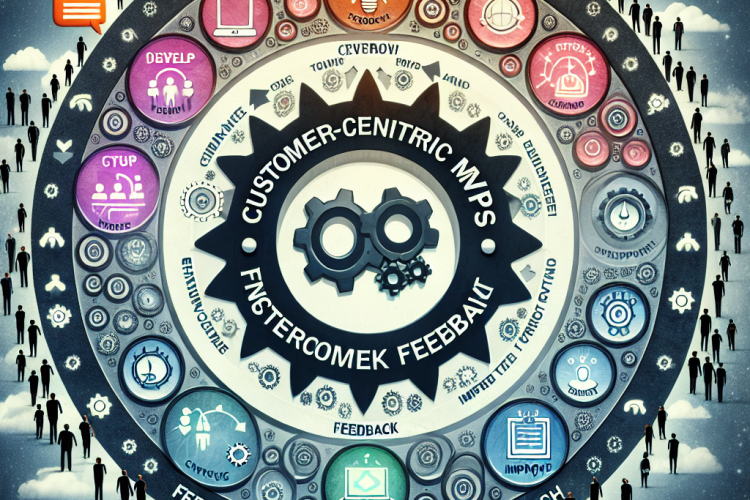
In the fast-paced world of startups and product development, creating a Minimum Viable Product (MVP) is often seen as a crucial step toward success. However, a traditional approach to MVPs, which focuses purely on functionality, can leave you disconnected from the very customers you aim to serve. This is where the concept of customer-centric MVPs comes into play.
Customer-centric MVPs emphasize the importance of incorporating real-time feedback from users at each stage of development. This ensures that the product not only meets the immediate needs of the market but also evolves based on real user experiences and insights. In this article, we will explore how to create customer-centric MVPs, the best practices for incorporating feedback, and the tools available to assist in this process.
Understanding the Customer-Centric Approach
The customer-centric approach put the customer at the core of product development. Instead of starting with the idea, feature set, or technology, this approach begins with a deep understanding of user problems, needs, and behaviors. By focusing on the customer, businesses can ensure that their product aligns with market demand.
Importance of a Customer-Centric MVP
A customer-centric MVP goes beyond just launching a bare-bones version of a product. It emphasizes:
- User Engagement: Actively involving users in the development process enhances engagement and loyalty.
- Quality Iterations: Feedback helps in making quality improvements and iterations that genuinely address user pain points.
- Market Fit: Understanding the target audience aids in achieving a better product-market fit, increasing chances of success.
The Process of Creating a Customer-Centric MVP
Creating a customer-centric MVP involves a structured approach that integrates user feedback continuously. Here are the key stages:
1. Identify User Personas
Start by conducting thorough research to identify different user personas in your target market. This includes understanding their demographics, behaviors, needs, and pain points. Techniques such as surveys, interviews, and observing user interactions can provide valuable insights.
2. Define Core Problem Areas
Using the data gathered from user personas, pinpoint the core problems users face. This will guide your MVP’s feature set, ensuring that it directly addresses users’ needs. Remain flexible, as these problem areas may evolve as more feedback is collected.
3. Develop the MVP
With a clear understanding of user needs, you can now develop the MVP. Rather than attempting to include all functionalities, focus on the most critical features that solve the identified problems. This keeps the MVP lean and focused, allowing for quicker iterations.
4. Pilot Testing
Launch the MVP to a small segment of your target audience in a pilot test. Ensure that you monitor user interactions closely. This stage is vital for gathering initial feedback and understanding how users engage with the product.
5. Collect and Analyze Feedback
Feedback can be collected through various channels:
- Surveys: Simple questionnaires can help gather quantitative data.
- Interviews: One-on-one discussions offer qualitative insights.
- Usability Testing: Observing users as they interact with your MVP provides direct insights into potential issues.
- Analytics: Use tools like Google Analytics to track user behavior and identify areas that need improvement.
6. Iterate Based on Feedback
Evaluate the feedback collected and prioritize changes based on user needs and business goals. Releasing an updated version of the MVP with refinements ensures that customer satisfaction remains at the forefront.
7. Continuous Improvement
The cycle of feedback, iteration, and testing should continue even post-launch. As market conditions and user needs change, maintaining a commitment to continuous improvement will keep your product relevant.
Best Practices for Incorporating Feedback in Real-Time
Incorporating feedback in real-time is crucial for a customer-centric approach. Here are some best practices:
1. Establish Open Communication Channels
Create multiple channels for users to provide feedback easily. This can include forums, chatbots, social media, and direct email communication. Ensure that users know their opinions are valued and will be acted upon.
2. Use Agile Methodologies
Agile methodologies, which prioritize flexibility, can help teams incorporate feedback more efficiently. Regular sprints allow for quick adjustments based on user input, fostering a culture of continuous improvement.
3. Foster a Feedback Culture
Encouraging your team to value customer feedback can significantly influence the product development process. Regularly share insights from users during team meetings to reinforce the importance of staying customer-focused.
4. Implement Real-Time Analytics
Using real-time analytics tools can help you monitor user interactions with your MVP continuously. Tools like Mixpanel or Amplitude provide real-time insights into user behavior, helping pinpoint areas for improvement without delays.
5. Engage with Users Actively
Establish a community around your product by actively engaging with users. This can be through forums, social media groups, or user meetups. Engaging with customers helps you understand their sentiments better and build lasting relationships.
Tools for Collecting Feedback
Several tools can facilitate the feedback collection process, making it easier to incorporate insights in real time:
1. Survey Tools
Tools like SurveyMonkey or Typeform allow you to create and distribute surveys easily. The user-friendly interfaces make it straightforward to gather quantitative feedback.
2. User Testing Platforms
Platforms like UserTesting.com enable you to set up testing environments where users can provide feedback on usability and overall experience. This helps in gaining qualitative insights crucial for product iterations.
3. Analytics Tools
Google Analytics, Mixpanel, and Hotjar can provide insights into how users are interacting with your MVP. These tools help in tracking user behavior, identifying drop-off points, and measuring engagement metrics.
4. Feedback Widgets
Add feedback widgets to your product so users can submit suggestions or report issues directly. Tools like UserSnap or Feedbackify can help you implement this feature effectively.
Challenges in Implementing a Customer-Centric MVP
While focusing on customer input is beneficial, several challenges must be addressed:
1. Overwhelming Feedback
In the initial stages, collecting a high volume of feedback can become overwhelming. Prioritization is key; not all feedback will be viable, and discerning which insights are most valuable is crucial.
2. Conflicting Opinions
Different customers may have varying opinions that can complicate decision-making. Establish criteria for evaluating feedback and deciding which suggestions align best with your product vision.
3. Resource Constraints
Incorporating customer feedback often requires additional resources, from hiring personnel to tools for gathering and analyzing data. Balancing resource allocation while maintaining quality is essential.
4. Resistance to Change
There may be internal resistance to adjusting the product based on customer feedback, especially if substantial resources have been invested in the original design. Educating the team on the benefits of a customer-centric approach can alleviate this resistance.
Case Study: Successful Customer-Centric MVP
One notable example of a company that successfully implemented a customer-centric MVP is Dropbox. In its early days, Dropbox used a simple video presentation of its functionality to gauge interest. By understanding potential customers’ feedback, they were able to refine their product before the official launch.
By actively collecting user opinions and engaging with early adopters, Dropbox was able to incorporate essential features that aimed at user needs. Their success story illustrates the importance of deeply understanding and engaging with your target audience throughout the product development lifecycle.
Conclusion
Creating a customer-centric MVP is not just about launching a product; it’s about fostering a long-term relationship with your users. By incorporating feedback in real-time, businesses can ensure that their MVP evolves in line with customer needs, leading to higher satisfaction, engagement, and ultimately, success.
Utilizing a structured feedback process, leveraging the right tools, and maintaining a continuous improvement mindset can significantly enhance the effectiveness of an MVP. In today’s competitive landscape, prioritizing the voice of the customer is more critical than ever for sustainable growth.



0 Comments