
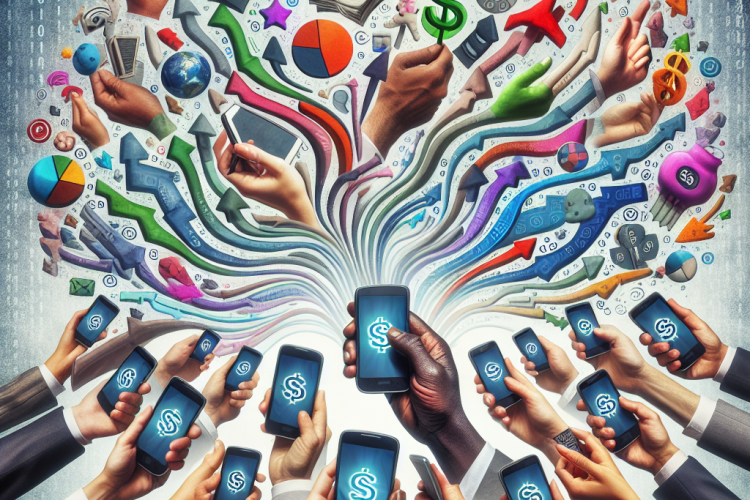
In today’s digital era, mobile apps have become a cornerstone of customer interaction and business strategy. As the proliferation of smartphones and tablets continues, the potential for mobile apps to drive sales and enhance brand engagement cannot be overstated. In this article, we delve into innovative strategies for marketers seeking to leverage mobile applications as potent tools for boosting sales and fostering customer loyalty.
Understanding the Mobile Landscape
The mobile landscape is a dynamic and rapidly evolving ecosystem. With billions of active mobile users worldwide, the significance of mobile apps in marketing strategies is undeniable. Marketers need to align their strategies with consumer behavior, which is increasingly mobile-centric. This involves understanding user habits, preferences, and the unique opportunities mobile apps offer in establishing a direct line of communication with consumers.
Personalization and User Experience
Personalization is at the heart of effective mobile app marketing. The ability of mobile apps to collect and analyze user data allows businesses to tailor experiences that resonate personally with each user. Personalization can take many forms, from customized content and recommendations to targeted promotions and offers. By enhancing user experience through personalization, marketers can increase engagement levels and drive higher conversion rates.
Furthermore, an intuitive and user-friendly interface is crucial in mobile app design. Ensuring that users can navigate the app easily and efficiently improves satisfaction and encourages repeat use. Investing in UX/UI design and conducting regular user testing can help identify and resolve issues quickly, ensuring the app meets user expectations.
Push Notifications and Engagement
Push notifications are a powerful tool within mobile apps for maintaining user engagement. When used strategically, they can significantly boost sales and conversion rates. The key is to strike a balance between being informative and not overwhelming users with too many notifications. Personalizing push notifications based on user behavior and preferences increases their effectiveness, making them a crucial component of a mobile sales strategy.
Loyalty Programs and Gamification
Integrating loyalty programs into mobile apps offers a compelling way to increase customer retention and drive repeat sales. Loyalty programs can incentivize users through points, rewards, or special offers for app usage, encouraging them to return and engage with the app regularly. Coupling loyalty programs with gamification elements, such as challenges, badges, and leaderboards, taps into users’ competitive nature, further enhancing engagement and sales potential.
Seamless Integration with E-commerce
A crucial aspect of leveraging mobile apps for sales is their seamless integration with e-commerce platforms. Users should be able to browse, select, and purchase products within the app effortlessly. Incorporating features like mobile wallets, one-click buying, and easy navigation through product catalogs reduces friction in the purchasing process, thereby boosting sales.
Furthermore, providing multiple payment options and ensuring secure transactions build trust and enhance user confidence in the platform. Regularly updating the app with new features and products can keep the user experience fresh and engaging, encouraging repeat purchases.
Data Analytics and Customer Insights
Mobile apps provide a wealth of data that marketers can harness to better understand their audience and refine their strategies. By analyzing user data, such as in-app behavior, purchase history, and preferences, marketers can gain valuable insights into customer needs and trends. This data-driven approach enables businesses to create more targeted marketing campaigns and improve product offerings, leading to increased sales.
Additionally, adopting tools that integrate customer feedback loops within the app enables businesses to rapidly adapt to consumer feedback and market demands, maintaining a competitive edge.
Enhanced Customer Support
Providing excellent customer support through mobile apps can significantly impact sales. Features such as live chat, chatbots, and easy access to support resources help resolve customer issues promptly, enhancing satisfaction and trust. Effective customer support fosters positive customer relationships, encourages positive reviews, and drives word-of-mouth referrals, all of which contribute to increased sales.
Innovative Technologies: AR and AI
Integrating cutting-edge technologies like Augmented Reality (AR) and Artificial Intelligence (AI) into mobile apps can revolutionize the customer experience. AR can allow users to visualize products in their environment before purchase, providing a more immersive and informed shopping experience. Meanwhile, AI can enhance personalization, offer product recommendations, and improve customer service through intelligent chatbots. These technologies not only enrich the user experience but also create new opportunities for sales growth.
Social Media Integration
Mobile apps that seamlessly integrate with social media platforms can amplify marketing efforts and drive sales. By embedding social sharing features, users can easily share products and promotions with their networks, widening the reach of marketing campaigns. Leveraging influencers and user-generated content can further increase brand visibility and credibility, attracting new customers and boosting sales.
Localization Strategies
For businesses operating in multiple regions, localization is key to connecting with diverse audiences. Customizing the app to accommodate different languages, currencies, and cultural preferences ensures the app resonates with users in various markets. Localization strategies can significantly improve user experience and engagement, leading to increased sales in local markets.
Conclusion
Mobile apps offer unparalleled opportunities for marketers to drive sales and foster lasting customer relationships. Through innovative strategies like personalization, seamless e-commerce integration, loyalty programs, and the integration of advanced technologies, businesses can enhance user engagement and boost sales. As the mobile landscape continues to evolve, marketers must stay adaptable and innovative, leveraging the unique capabilities of mobile apps to remain competitive and succeed in their markets.



0 Comments