

In the dynamically evolving realm of technology, the role of the developer has never been more pivotal. As digital transformation accelerates, developers are at the forefront, harnessing cutting-edge tools and methodologies to create impactful web applications. These applications are profoundly reshaping industries, economies, and societies, providing both challenges and opportunities for developers. Exploring the diverse landscape of web applications reveals how developers can power success not only for themselves but also for the organizations they support.
Understanding Web Applications
Web applications are interactive programs that utilize web browsers and technologies to perform tasks over the Internet. Unlike traditional desktop applications, web apps don’t need to be downloaded or installed, making them incredibly versatile and accessible. They operate on multiple platforms with ease, providing an unparalleled user experience. Understanding the fundamental architecture and technologies that drive web applications, such as HTML, CSS, JavaScript, and modern frameworks like React, Angular, and Vue.js, is crucial for developers.
The core components of web applications include the client-side (front-end), server-side (back-end), and database. Mastery of these areas enables developers to design, build, and maintain robust applications that meet user needs and expectations.
The Significance of Web Applications in Business
Businesses of all sizes leverage web applications to enhance their operations, engage customers, and drive growth. Web apps facilitate a seamless user experience, offering functionalities like online shopping, customer service, data analytics, and more. For developers, this translates into numerous opportunities to create applications tailored to specific business needs.
Moreover, the scalability of web applications makes them ideal for businesses seeking to expand their audiences. Whether it’s a small startup or a large enterprise, well-developed web applications can support growth and adaptation in a highly competitive market.
Empowering Developers Through Cutting-Edge Tools
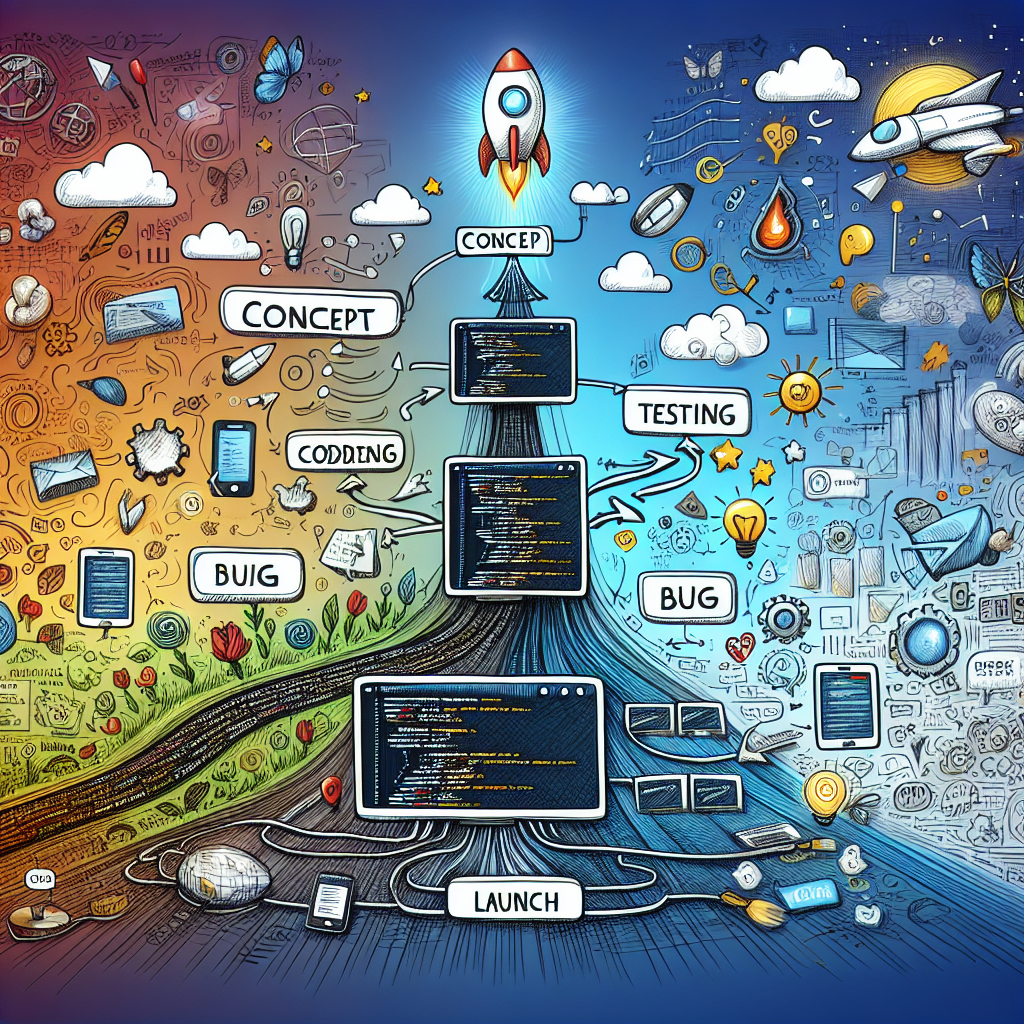
The advent of innovative tools and technologies has empowered developers to build powerful web applications with greater efficiency and creativity. Integrated Development Environments (IDEs), version control systems, and Continuous Integration/Continuous Deployment (CI/CD) pipelines are vital in the developer’s toolkit. These tools streamline the development process, allowing for easier collaboration, testing, and deployment of web applications.
Frameworks like Node.js, Django, Ruby on Rails, and Laravel provide pre-built modules for rapid application development, reducing time to market and offering enhanced functionalities right out of the box. The ability to leverage Application Programming Interfaces (APIs) further extends the functionality of web applications by integrating external services, offering users a richer experience.
Best Practices for Developing Web Applications
Successful web application development requires adherence to best practices that ensure the application is reliable, scalable, and user-friendly. Key practices include agile development methodologies, which emphasize iterative progress, collaboration, and flexibility. Security is another critical factor, with developers needing to prioritize data protection and adopt secure coding practices to safeguard against vulnerabilities.
User-centered design (UCD) is essential, focusing on the end user’s needs and preferences to create intuitive interfaces and engaging experiences. Implementing responsive design standards ensures applications perform seamlessly across a variety of devices and screen sizes, enhancing accessibility.
The Role of Open Source in Web Development
The open-source movement has significantly influenced the world of web development, encouraging collaboration and innovation among developers globally. Open-source technologies provide developers with the flexibility to customize and improve applications without the constraints of proprietary software. This fosters a community-driven ecosystem where knowledge, resources, and advancements are shared freely.
Joining and contributing to open-source projects can be a valuable experience for developers, enhancing their skills and visibility in the tech community while driving the collective growth of the web development industry.
The Future of Web Applications
The future of web applications promises to be even more transformative with the integration of emerging technologies such as Artificial Intelligence (AI), Machine Learning (ML), Progressive Web Apps (PWAs), and the Internet of Things (IoT). These innovations will expand the capabilities and applications of web technologies, creating new opportunities for developers to innovate and lead in their field.
Investing in continuous learning and staying updated with these emerging trends will be crucial for developers to remain competitive and contribute meaningfully to the future landscape of web applications.
Conclusion
Developers are essential architects of the digital age, shaping the future through the applications they create. By harnessing the power of web applications, they can drive success and change across various sectors. Through a commitment to learning, collaboration, and the adoption of innovative tools and practices, developers not only empower themselves but also contribute to a broader societal transformation. The ongoing evolution of technology offers both challenges and incredible opportunities, making now an exciting time to be a developer. As we look towards the coming advancements, one constant remains: the pivotal role developers play in translating ideas into impactful realities.

0 Comments