
Introduction
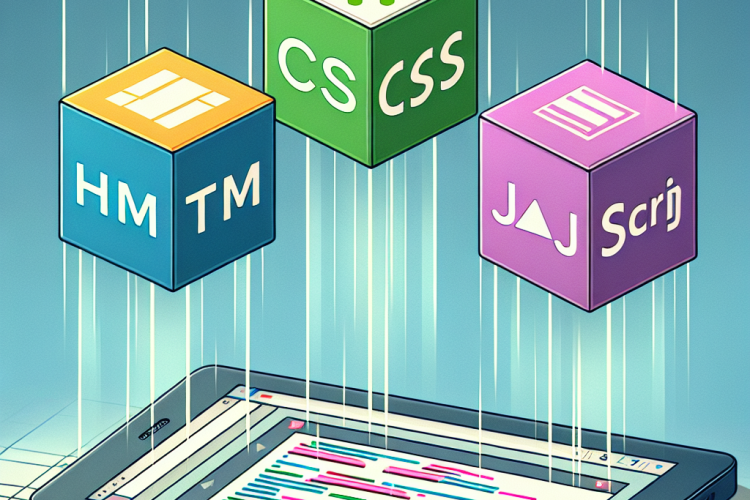
With the proliferation of mobile apps, developers are continually seeking ways to create more interactive and responsive applications. While Android Studio is primarily used for building native Android apps using Java or Kotlin, embedding web technologies such as HTML, CSS, and JavaScript can enhance app functionality by providing rich user interfaces and interactive features.
This article will explore how incorporating these technologies can improve your Android application’s capabilities and how they can be effectively integrated into Android Studio projects.
Web Technologies in Android Apps
HTML, CSS, and JavaScript are the cornerstones of web development. These technologies enable developers to create structured content, style it, and add interactivity within web pages. By integrating these technologies into Android apps, developers can create hybrid apps that combine native app capabilities with web technologies.
Benefits of Integration
The integration of web technologies into Android apps offers numerous benefits, such as:
- Improved User Experience: HTML and CSS provide control over the layout and styling, allowing for sophisticated and visually appealing interfaces.
- Cross-Platform Compatibility: HTML, CSS, and JavaScript are platform-independent, making it easier to port features across different platforms.
- Ease of Updates: Modifications to web-based components can be done more rapidly compared to native app changes.
Setting Up Android Studio for Web Technologies
To leverage web technologies in your Android app, you will need to set up your Android Studio environment accordingly. Follow these steps to prepare for development:
1. Creating a New Project
Start by launching Android Studio and creating a new project. Choose an “Empty Activity” to provide a clean slate for your app. Give your project an appropriate name and configure the settings as needed.
2. Adding WebView to the Layout
WebView is an Android component that enables you to display web content within your app. To add a WebView to your layout:
    <WebView

        android:id="@+id/webview"

        android:layout_width="match_parent"

        android:layout_height="match_parent" />
3. Configuring WebView
In your main activity, initialize the WebView and load a web page:
    WebView myWebView = findViewById(R.id.webview);

    myWebView.getSettings().setJavaScriptEnabled(true);

    myWebView.loadUrl("file:///android_asset/index.html");
Turn on JavaScript to enable dynamic content on your web pages.
4. Using HTML, CSS, and JavaScript
With WebView set up, you can now use HTML, CSS, and JavaScript to create the web content you want to display. Place your files in the “assets” directory of your project.
Creating Interactive Content
HTML for Structure
HTML serves as the backbone of web content. It defines the structure and layout of your app’s interface. Below is a basic example of an HTML page:
    <!DOCTYPE html>

    <html lang="en">

    <head>

        <meta charset="UTF-8">

        <meta name="viewport" content="width=device-width, initial-scale=1.0">

        <title>My App</title>

    </head>

    <body>

        <h1>Welcome to My App</h1>

        <p>This is a sample web page embedded in an Android app.</p>

        <button onclick="showMessage()">Click Me!</button>

        <script>

            function showMessage() {

                alert('Hello, welcome to the app!');

            }

        </script>

    </body>

    </html>
CSS for Styling
CSS is used for styling your HTML content. You can define styles in a separate CSS file or within the HTML document itself. Here’s a simple example of CSS styling:
    body {

        font-family: Arial, sans-serif;

        background-color: #f4f4f9;

        color: #333;

        margin: 0;

        padding: 20px;

    }
h1 {

        color: #5c6bc0;

    }
button {

        padding: 10px 20px;

        background-color: #5c6bc0;

        color: #fff;

        border: none;

        border-radius: 4px;

        cursor: pointer;

    }
JavaScript for Interactivity
JavaScript enables you to add interactivity and dynamic behavior to your web content. It allows for handling events, manipulating the DOM, and more. In the example above, a button click triggers a JavaScript function that displays an alert message.
Advanced Features with JavaScript Frameworks
To further enhance the app functionality, consider using JavaScript frameworks like React, Angular, or Vue.js. These frameworks provide structured ways to build complex user interfaces.
Using React in WebView
React is a popular JavaScript library for building user interfaces. To use React within a WebView, you need to bundle your React app and serve it as static files:
- Create a React app using the create-react-app tool.
- Build the app using
npm run buildwhich will generate static files in the ‘build’ directory. - Copy the contents of the ‘build’ directory to the assets folder in your Android project.
- Load the main HTML file using WebView.
Considerations and Best Practices
Loading Local or Remote Content
Decide whether to load content from local assets or remote servers. Local content is faster and works offline but needs app updates for changes. Remote content is easier to update but depends on network availability.
Security
Ensure secure communication when loading remote content by using HTTPS. Be cautious with JavaScript execution to prevent security vulnerabilities.
Performance Optimization
Optimize the performance of web content by minimizing file sizes, using efficient JavaScript, and leveraging caching strategies.
Testing and Debugging
Test your app thoroughly on different devices and screen sizes to ensure a consistent user experience. Use Chrome DevTools to debug web content within WebView by connecting your device to your computer.
Conclusion
Integrating HTML, CSS, and JavaScript into Android apps via WebView opens up a world of possibilities for enhancing app functionality and user experience. Whether you’re building simple static pages or complex interactive applications, these web technologies offer flexibility and power. By following best practices and understanding the capabilities and limitations of WebView, you can effectively combine the best of web and mobile app development to create cohesive and engaging user experiences.
As mobile app development continues to evolve, leveraging the synergy between native and web technologies will be a key strategy for developers aiming to deliver innovative and user-friendly apps.



0 Comments