
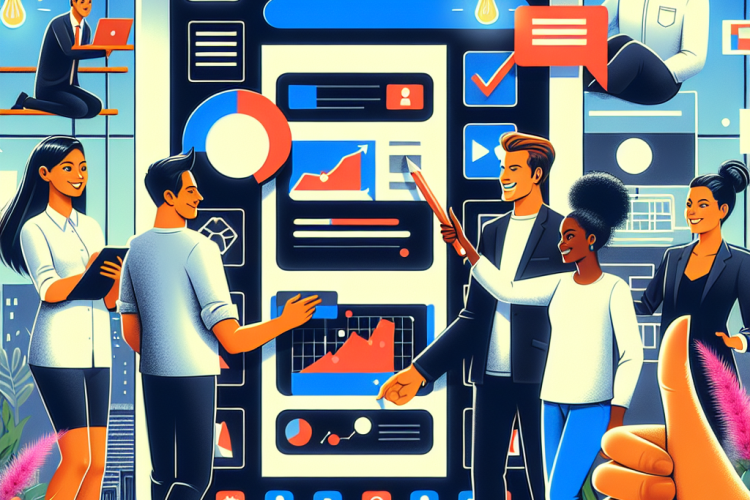
Introduction to SaaS Design
The rise of Software as a Service (SaaS) has transformed the way businesses operate and deliver solutions to their users. With convenience and accessibility at its core, SaaS products offer a unique opportunity to enhance user experience (UX) through effective design principles. This article explores the critical components of exceptional SaaS design and the profound impact they can have on user satisfaction and retention.
Understanding the User Experience
User experience refers to the overall interaction a user has with a product or service, encompassing aspects such as usability, design, utility, and efficiency. In the context of SaaS, a positive user experience can lead to increased user engagement and loyalty, while a negative experience can result in user frustration and churn. Prioritizing UX is essential for the success of any SaaS platform.
The Core Elements of UX
Effective UX design focuses on creating a seamless and enjoyable interaction between the user and the software. Key elements include:
- Usability: How easily users can interact with a product to achieve their goals.
- Accessibility: The degree to which a product can be used by people with varying abilities.
- Desirability: The appeal and attractiveness of a product to its users.
- Credibility: The trustworthiness and reliability of a product.
- Intuitiveness: How naturally a user can understand and navigate a product without prior instruction or help.
The Role of Design in SaaS
Design is a fundamental aspect of SaaS platforms, shaping not only how they look but also how they function. A well-designed SaaS application simplifies complex processes, creating a smooth and intuitive user journey. Effective design intersects with many aspects of the product, impacting functionality, user satisfaction, and ultimately, the success of the SaaS platform.
User-Centered Design
A user-centered design approach places the user’s needs, preferences, and limitations at the forefront of the design process. This involves understanding users through research, creating personas, and using iterative testing to refine the product.
Key Design Strategies for SaaS
Several design strategies have proven effective in enhancing the user experience of SaaS platforms. These include:
1. Simplified Onboarding
Simplified onboarding processes help users acclimate quickly to a new SaaS product. By ensuring a smooth entry point, platforms can increase adoption rates and reduce friction in user interaction. Techniques include guided tours, interactive tutorials, and clear, concise instructions.
2. Personalization
Personalization enhances user engagement by tailoring the user experience to individual preferences and behaviors. This can be achieved through customizable dashboards, personalized recommendations, and adaptive user interfaces.
3. Consistent Design Language
Using a consistent design language ensures a cohesive look and feel across the platform, promoting familiarity and ease of use. Consistency in color schemes, typography, and button styles helps users navigate intuitively.
4. Responsive Design
SaaS applications must be accessible across multiple devices and screen sizes. Responsive design ensures that the platform functions optimally on desktops, tablets, and smartphones, providing a uniform experience regardless of device.
5. Feedback Mechanisms
Effective feedback mechanisms keep users informed and engaged, letting them understand the outcomes of their actions. This can include notifications, progress indicators, and instant response to user inputs.
Challenges in Designing SaaS Applications
Designing for SaaS is not without its challenges. The following considerations must be taken into account to overcome potential obstacles:
Scalability
SaaS platforms must be designed to scale with an increasing number of users without compromising performance. This requires careful planning of the underlying architecture and efficient resource management.
Security
As user data is stored in the cloud, security is paramount. Saas applications must integrate robust security measures to protect user information and build trust.
Continuous Updates
Unlike traditional software, SaaS applications require constant updates and improvements. Design must account for seamless integration of new features without disrupting the user experience.
The Future of SaaS Design
As technology and user expectations evolve, so too must SaaS design. Emerging trends include the integration of AI and machine learning to enhance personalization, as well as the potential of virtual and augmented reality to transform user interaction. Furthermore, the rise of low-code and no-code platforms empowers businesses to tailor their SaaS solutions more effectively.
Conclusion
The impact of effective SaaS design on user experience cannot be overstated. A well-designed SaaS platform not only meets functional requirements but also delights users, fostering engagement and loyalty. By prioritizing design principles such as user-centered design, personalization, and responsive interfaces, SaaS providers can deliver exceptional user experiences that drive business success. As the landscape continues to evolve, staying attuned to user needs and embracing innovation will be key to thriving in the competitive SaaS market.



0 Comments